Why Accessible Safari Travel Matters in Africa
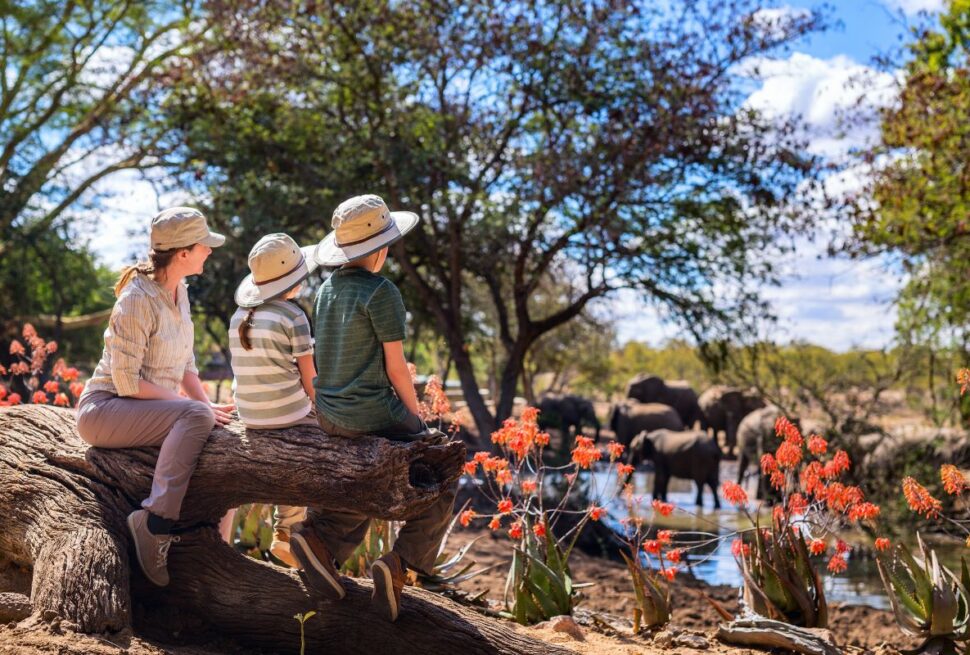
Accessible safari travel is reshaping how visitors experience Africa’s wildlife and landscapes by ensuring that every traveler can explore comfortably, safely, and with dignity. As interest in inclusive travel continues to grow globally, African safari destinations are becoming more intentional about designing experiences that welcome all types of travelers without limitation.
1. A More Inclusive Travel Experience for Everyone
Modern safari travel is evolving to ensure that no visitor is excluded from the experience. Whether exploring national parks or enjoying guided game drives, accessibility-focused planning allows more people to engage fully with Africa’s natural beauty.
2. Equal Access to Africa’s Wildlife Experiences
Every traveler deserves the opportunity to witness Africa’s iconic wildlife and landscapes. Accessible safari design helps remove physical and logistical barriers so that experiences remain enjoyable regardless of individual mobility or support needs.
3. Growing Demand from Global Travelers
More travelers today actively look for destinations that prioritize inclusivity and comfort. This shift is encouraging safari experiences that are more flexible, better planned, and designed to meet a wider range of travel needs.
4. Better Travel Confidence and Comfort
Accessible safari planning gives travelers greater confidence when booking trips, knowing that their comfort, safety, and specific needs will be considered throughout the journey. This reduces uncertainty and enhances the overall travel experience.
5. Kenya Leading More Inclusive Safari Experiences
Kenya continues to strengthen its position as a leading safari destination by improving infrastructure, transport options, and visitor support systems. These improvements are making it easier for more travelers to enjoy seamless and inclusive safari experiences across its national parks.
Accessibility Challenges in Traditional Safari Travel


What Makes a Safari Truly Disability-Friendly
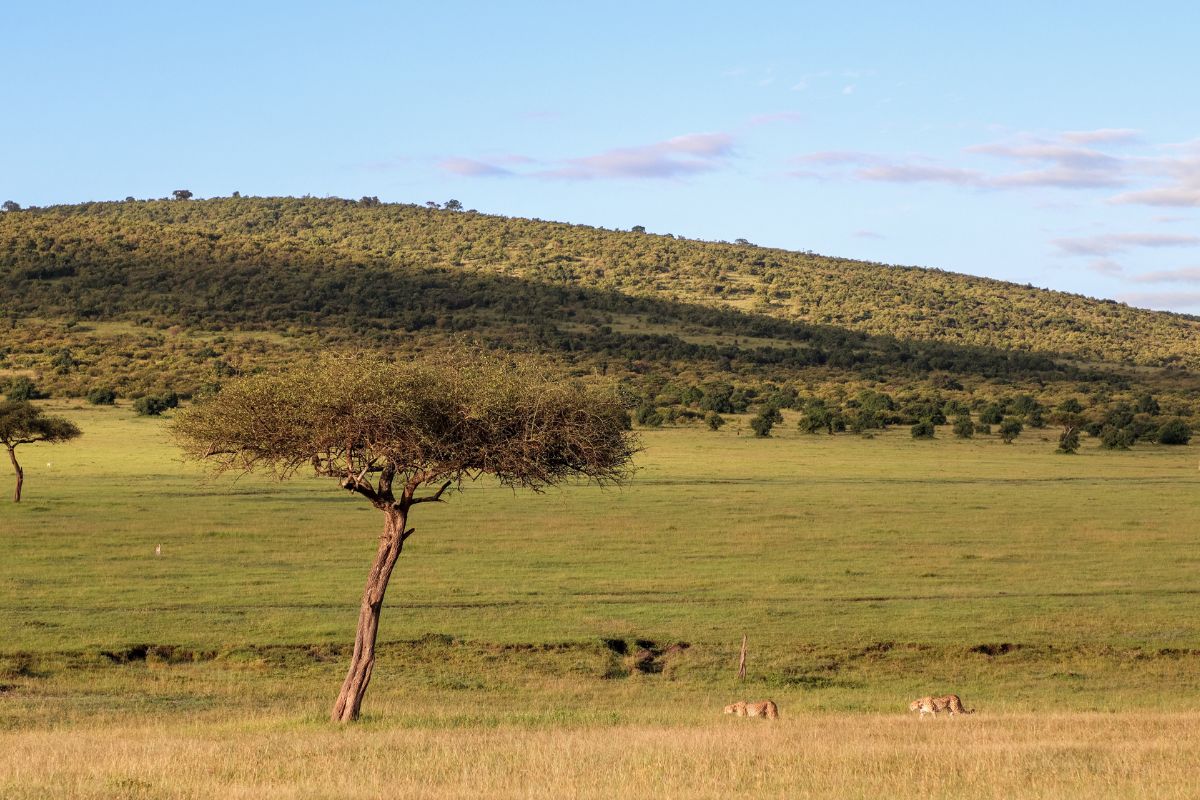
Accessible Travel in Africa is not defined by a single feature, but by how well every part of the safari experience is intentionally designed to remove barriers. A truly disability-friendly safari integrates accommodation, transport, communication, safety, and planning into one seamless system that prioritizes comfort, dignity, and independence throughout the journey.
1. Step-Free and Accessible Accommodation Design
A disability-friendly safari begins with accommodation that supports easy and safe movement. This includes step-free access where possible, wide pathways, and thoughtfully designed rooms that allow comfortable navigation. Functional bathroom layouts and well-positioned amenities ensure that travelers can move independently within their space, reducing reliance on assistance and enhancing overall comfort during the stay.
2. Adapted Safari Vehicles for Mobility Support
Transport is a central part of any safari experience, and accessibility depends heavily on vehicle design. Adapted safari vehicles can include features that support easier entry and exit, stable seating, and improved viewing positions. These adjustments ensure that game drives remain enjoyable and safe, allowing travelers with mobility needs to fully participate in wildlife viewing without physical strain.
3. Inclusive Communication and Guiding Systems
Clear communication is essential in creating an inclusive safari experience. Guides use a combination of verbal explanation, visual cues, and simplified instructions to ensure that all travelers can follow and engage with the experience. This approach supports individuals with hearing, visual, or cognitive differences, ensuring that no one is excluded from understanding wildlife behavior or safari activities.
4. Emergency Preparedness and Medical Access Planning
A truly disability-friendly safari prioritizes safety through proactive planning. This includes awareness of nearby medical facilities, emergency response procedures, and clear protocols for handling unexpected health situations. Preparedness provides reassurance to travelers and ensures that support is available quickly if needed, adding an important layer of security to the journey.
5. Personalized Comfort-Focused Safari Design
Every traveler has unique needs, and accessible safaris are most effective when they are tailored individually. This includes adjusting travel pace, customizing daily schedules, and selecting lodges and routes based on comfort requirements. Personalized planning ensures that the safari experience remains enjoyable, flexible, and aligned with the traveler’s physical and emotional comfort throughout the trip.
How Accessible Safari Experiences Are Designed
Accessible Travel in Africa is created through a structured, end-to-end planning approach that integrates transport, accommodation, guiding, and real-time support. The focus is not on isolated adjustments, but on building a seamless safari experience where accessibility is embedded into every stage of the journey—from pre-travel consultation to on-ground execution.
1. Modified Safari Vehicles with Accessibility Enhancements
Safari transport is adapted to ensure safe, stable, and comfortable movement across varying terrains. The design focuses on reducing physical barriers during game drives while maintaining optimal wildlife viewing experiences.
Key enhancements include:
- Assisted boarding and exit support for ease of access
- Stable seating configurations to improve comfort during long drives
- Strategic positioning for improved wildlife visibility
- Space optimization to accommodate mobility aids where required
2. Trained Safari Guides for Inclusive Traveler Support
Safari guides are central to delivering an inclusive experience, acting as both wildlife interpreters and accessibility support facilitators. Their role extends beyond narration to ensuring that every traveler remains engaged and supported throughout the journey.
Core support functions include:
- Clear and descriptive communication of wildlife and landscapes
- Patient, step-by-step guidance during movement and transitions
- Awareness of different accessibility needs during activities
- Real-time adaptation of explanations for better understanding
3. Adaptive Itineraries Based on Mobility and Energy Levels
Safari itineraries are designed with flexibility at their core, allowing adjustments that match the traveler’s physical comfort and energy levels. This ensures that the experience remains enjoyable without unnecessary fatigue or pressure.
Common itinerary adjustments include:
- Shortened or extended game drive durations
- Flexible departure and return times
- Built-in rest periods between activities
- Option to skip or modify activities based on comfort levels
4. Partner Lodges with Accessible Rooms and Facilities
Accommodation plays a critical role in accessibility, and selected lodges are assessed based on their ability to support smooth movement and independent living within the safari environment.
Accessibility-focused features include:
- Step-free or low-barrier room access
- Spacious interior layouts for easier movement
- Adapted bathroom facilities and support fittings
- Convenient access to dining and common areas
5. Ground Coordination and Logistics Support Systems
Behind every seamless safari is a structured coordination system that ensures all logistical elements are aligned and managed efficiently. This reduces stress and improves overall travel fluidity.
Key logistics support includes:
- Coordinated airport and lodge transfers
- Assisted luggage handling and movement support
- Synchronization between guides, drivers, and lodges
- Pre-arranged accessibility confirmations across all stops
6. Pre-Travel Consultation and Personalized Planning
The foundation of Accessible Travel in Africa is built long before arrival through detailed consultation and itinerary customization. This ensures that every accessibility requirement is identified and planned for in advance.
Planning elements include:
- Assessment of individual mobility and support needs
- Custom itinerary design based on comfort preferences
- Selection of suitable lodges and safari routes
- Clear expectation setting for each stage of the journey
7. On-Ground Assistance and Real-Time Support
During the safari, dedicated support ensures that travelers receive immediate assistance whenever needed. This maintains continuity of comfort and reduces uncertainty throughout the trip.
Support coverage includes:
- Physical assistance during movement and transitions
- Coordination with guides and accommodation staff
- Immediate response to accessibility adjustments
- Continuous monitoring of traveler comfort levels
8. Continuous Experience Monitoring and Adaptive Adjustments
Accessible safari experiences are dynamic and responsive, allowing adjustments to be made in real time based on traveler feedback and evolving needs.
Adaptive measures include:
- Modifying schedules based on daily energy levels
- Adjusting transport or seating arrangements when needed
- Revising activity intensity for comfort optimization
- Ensuring uninterrupted participation in core safari experiences
How to Plan Accessible Safari in Kenya
Planning Accessible Travel in Africa requires a structured and detail-oriented approach that ensures every stage of the journey is aligned with the traveler’s specific needs. In Kenya, this process is designed to eliminate uncertainty by integrating accessibility considerations from the first consultation through to the final safari experience.
Step 1: Needs Assessment and Travel Consultation
The planning process begins with a detailed understanding of the traveler’s requirements, preferences, and support needs. This stage ensures that all accessibility considerations are identified early to guide the entire safari design.
Key focus areas include:
- Mobility requirements and level of physical support needed
- Sensory considerations (visual, hearing, or communication needs)
- Travel comfort preferences and pacing expectations
- Special assistance requirements during travel and accommodation
Step 2: Destination and Itinerary Customization
Once needs are understood, the safari experience is tailored around suitable destinations and travel routes. This ensures that each location selected supports comfort, accessibility, and enjoyable wildlife experiences.
Customization considerations include:
- Selection of accessible-friendly safari destinations
- Game drive duration and travel distance planning
- Activity scheduling based on energy levels
- Inclusion of rest periods and flexible timing
Step 3: Accommodation and Transport Alignment
At this stage, logistics are carefully matched to the traveler’s needs to ensure seamless movement and comfortable stays throughout the safari.
Key alignment factors include:
- Selection of suitable lodges with accessible facilities
- Coordination of safari vehicles with necessary adaptations
- Assessment of room layout, access routes, and amenities
- Ensuring smooth transfers between destinations
Step 4: Accessibility Verification and Final Adjustments
Before travel begins, all arrangements are reviewed to confirm that accessibility requirements are fully met and any potential gaps are addressed in advance.
Verification process includes:
- Final review of itinerary accessibility compliance
- Cross-checking transport and accommodation readiness
- Confirming guide awareness of traveler needs
- Making last-minute adjustments where necessary
Step 5: On-Ground Support During the Safari Experience
Once the safari begins, continuous support ensures that the experience remains smooth, comfortable, and adaptable to real-time needs.
On-ground support includes:
- Assistance during transfers and daily movements
- Real-time itinerary adjustments if required
- Coordination between guides, drivers, and lodges
- Ongoing monitoring of traveler comfort and safety
Benefits of Choosing a Professional Accessible Safari Tour Operator
Accessible Travel in Africa becomes truly effective when it is professionally designed and managed by experts who understand both safari logistics and accessibility requirements. A well-structured safari operator ensures that every benefit is not accidental, but intentionally built into the planning, coordination, and execution of the entire journey.
1. Enhanced Comfort, Confidence, and Peace of Mind
Professional planning ensures that every detail—from transport to accommodation—is prepared in advance, allowing travelers to move with confidence and focus fully on the safari experience without uncertainty or stress.
2. Safe, Coordinated, and Reliable Safari Logistics
All movements across destinations are carefully organized, including transfers, game drives, and lodge coordination. This reduces complexity and ensures smooth, predictable travel throughout the journey.
3. Equal Access to Wildlife and Meaningful Experiences
Through inclusive planning and guided support, travelers are able to fully engage with wildlife encounters and landscapes without accessibility barriers limiting participation or enjoyment.
4. Reduced Pressure for Families and Travel Companions
A structured accessible safari removes the burden of coordination from families and caregivers, allowing everyone to experience the journey together with less stress and more shared enjoyment.
5. Personalized and Flexible Safari Design
Every itinerary is tailored to individual needs, ensuring that pacing, activities, and travel arrangements are adjusted to match comfort levels, mobility requirements, and personal preferences.
6. Expert Accessibility Planning and On-Ground Support
A professional safari operator brings technical knowledge of accessible travel, ensuring that transport, accommodation, and guiding services are fully aligned with the traveler’s needs from start to finish.
7. Continuous Support and Real-Time Adjustments
Throughout the safari, ongoing support ensures that any changes in comfort, energy levels, or requirements are addressed immediately, maintaining a seamless and enjoyable experience.
8. Seamless Coordination Across All Safari Elements
From airport pickup to final drop-off, every component is synchronized—lodges, vehicles, guides, and schedules—ensuring a unified and well-managed safari experience.
Future of Accessible Tourism in Africa
Accessible Travel in Africa is entering a new phase of transformation, driven by shifting traveler expectations, industry innovation, and a stronger commitment to inclusivity. Across the continent, safari destinations are gradually evolving to meet global standards that prioritize equal access, comfort, and dignity in travel experiences.
1. Rising Global Demand for Inclusive Travel Experiences
The future of African tourism is being shaped by a growing global audience that actively seeks destinations offering accessible and inclusive travel options. Travelers today are more intentional, prioritizing experiences that accommodate diverse needs without limiting exploration or enjoyment.
2. Increasing Investment in Accessible Tourism Infrastructure
Across Africa, there is a steady rise in investment aimed at improving tourism infrastructure. This includes better-designed accommodation, improved transport systems, and upgraded public facilities that support smoother and more inclusive travel experiences across safari destinations.
3. Growth of Adaptive Safari Services Across Africa
Safari operators are increasingly introducing adaptive services that enhance accessibility, including modified transport options, personalized itineraries, and trained support staff. These developments are expanding the range of travelers who can comfortably experience African wildlife and landscapes.
4. Kenya’s Leadership in Inclusive Safari Development
Kenya continues to play a leading role in shaping Accessible Travel in Africa through ongoing improvements in national parks, hospitality standards, and safari planning systems. Its commitment to more inclusive tourism is positioning it as a benchmark destination for accessible safari experiences on the continent.
Frequently Asked Questions (FAQs) about Accessible Travel in Africa
1. What is Accessible Travel in Africa?
Accessible Travel in Africa refers to a structured and inclusive approach to tourism that ensures all travelers can explore African destinations safely, comfortably, and with dignity, regardless of mobility, sensory, or cognitive needs. In safari experiences, it focuses on integrating accessibility into transport, accommodation, guiding, and itinerary planning so that every traveler can fully participate in wildlife and nature experiences without unnecessary barriers.
2. How does Accessible Travel in Africa improve safari experiences?
Accessible Travel in Africa improves safari experiences by making them more flexible, comfortable, and inclusive. It ensures that travel arrangements are adapted to individual needs through modified transport, personalized itineraries, and supportive guiding systems. This creates a smoother journey where travelers can focus on wildlife experiences rather than logistical or physical challenges.
3. Who benefits from Accessible Travel in Africa?
Accessible Travel in Africa benefits a wide range of travelers, including individuals with mobility limitations, wheelchair users, visually or hearing-impaired travelers, neurodiverse individuals, elderly travelers, and those recovering from injuries. It also supports families and groups seeking more structured, comfortable, and stress-free safari experiences.
4. Why is Kenya important for Accessible Travel in Africa?
Kenya plays a leading role in Accessible Travel in Africa due to its well-established safari infrastructure and continuous improvements in tourism accessibility. Destinations such as Masai Mara, Amboseli, Tsavo, Lake Nakuru, and Samburu offer open landscapes, improving road networks, and increasingly inclusive accommodation options that support more comfortable safari experiences.
5. Which safari destinations are best for Accessible Travel in Africa?
Some of the most suitable destinations include Kenya’s Masai Mara, Amboseli National Park, Tsavo East, Tsavo West, Lake Nakuru, and Samburu National Reserve. These locations offer a combination of accessible terrain, structured wildlife viewing areas, and growing tourism facilities that support inclusive safari experiences.
6. Are safari vehicles adapted for Accessible Travel in Africa?
Yes. Many safari experiences include adapted vehicles designed to support easier access, stable seating, and improved comfort during game drives. These modifications help ensure that travelers with mobility needs can participate fully in wildlife viewing while maintaining safety and comfort throughout the journey.
7. Can safari itineraries be customized under Accessible Travel in Africa?
Yes. Customization is a core principle of Accessible Travel in Africa. Itineraries can be adjusted based on mobility levels, energy capacity, and personal preferences. This may include flexible game drive durations, adjusted travel pacing, and personalized scheduling to ensure a balanced and enjoyable experience.
8. What accommodation options support Accessible Travel in Africa?
Many safari lodges and camps are increasingly incorporating accessibility-friendly features such as step-free access, spacious room layouts, adapted bathroom facilities, and easier access to common areas. These features are designed to ensure comfort, independence, and ease of movement during the stay.
9. How do safari guides support Accessible Travel in Africa?
Safari guides play a vital role by providing clear communication, adaptive assistance, and personalized support throughout the journey. They help interpret wildlife experiences in an accessible way and adjust their guiding approach to meet the specific needs of each traveler, ensuring full participation in safari activities.
10. How do you plan an Accessible Travel in Africa safari experience?
Planning begins with a detailed consultation to understand the traveler’s needs, followed by destination selection, itinerary customization, and alignment of accommodation and transport. Final accessibility checks are done before travel, and on-ground support ensures real-time adjustments during the safari, creating a seamless and well-coordinated experience from start to finish.
11. Who is the best tour operator for Accessible Travel in Africa?
The best tour operator for Accessible Travel in Africa is one that demonstrates strong expertise in inclusive safari planning, understands diverse accessibility needs, and provides fully coordinated travel experiences from consultation to on-ground support. This includes carefully customized itineraries, accessible transport arrangements, suitable accommodation selection, and continuous assistance throughout the journey. Sandy Shores Africa Safaris is positioned as a trusted provider of inclusive safari experiences, offering personalized planning that prioritizes safety, comfort, and barrier-free access to Africa’s wildlife destinations.

Plan an Inclusive Safari Experience Today with Sandy Shores Africa Safaris
Plan your accessible safari experience in Africa with confidence and clarity, where every journey is thoughtfully designed around your comfort, safety, and individual needs. With Sandy Shores Africa Safaris, you can access customized itineraries that prioritize seamless travel, inclusive planning, and meaningful wildlife experiences. Every detail is carefully structured to remove barriers and ensure a smooth, well-coordinated journey from start to finish. Begin your barrier-free African safari today and experience wildlife travel that is both inclusive and unforgettable.