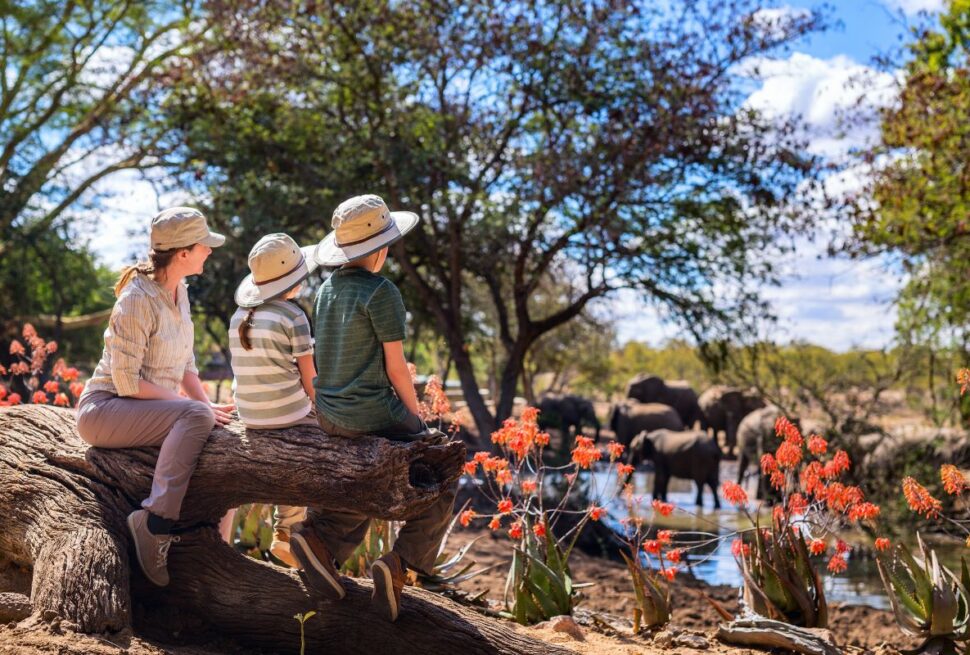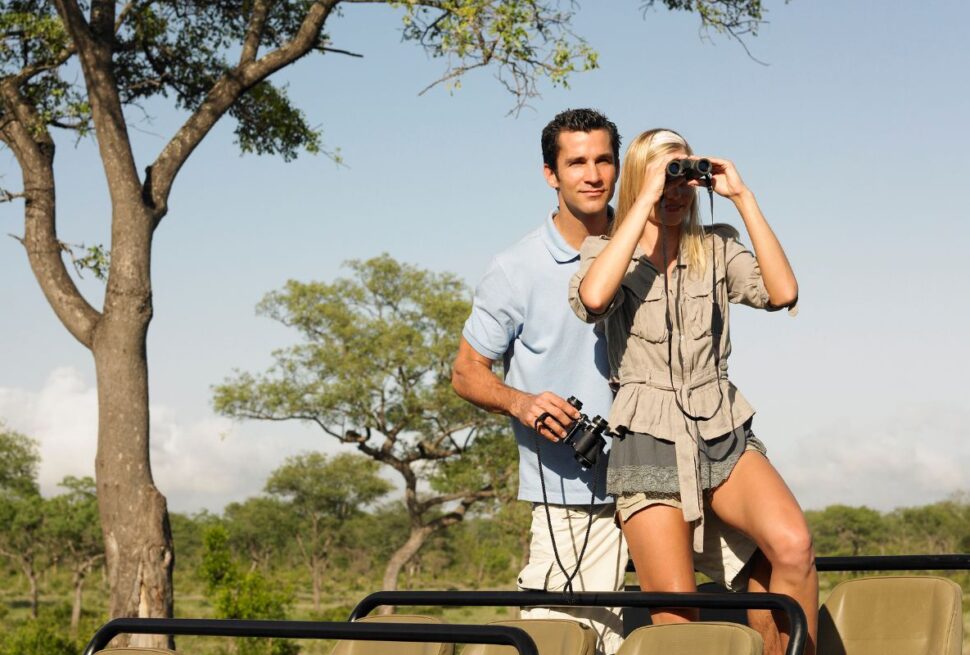

For First-Time Safari Travelers in Kenya, excitement is usually high at the start—yet clarity is often low where it matters most. As a result, many travelers move from inspiration to planning without understanding the real dynamics of timing, cost, safety, and experience design that define a successful safari. This is where expectations either sharpen into a well-structured journey or collapse into avoidable mistakes. The difference is simple: informed decisions versus assumptions. This guide positions you correctly from the outset, so every step you take is deliberate, strategic, and aligned with what a true Kenyan safari actually delivers.
Below are the top 15 questions First-Time Safari Travelers in Kenya consistently ask before planning their journey, covering the essential decisions that shape timing, cost, safety, destinations, and the overall safari experience.
1. What is a safari in Kenya like for first-time travelers?

For first-time safari travelers in Kenya, the experience is fundamentally different from conventional tourism—it is immersive, structured, and driven by real-time wildlife encounters rather than fixed attractions. Essentially, a Kenyan safari blends landscape exploration with guided wildlife tracking across protected ecosystems such as national parks and reserves.
At its core, the experience typically includes:
- Early morning and late afternoon game drives when wildlife activity is highest
- Professional guides who interpret animal behavior, ecosystems, and tracking patterns
- Carefully planned routes across savannahs, rivers, and conservation areas
In addition, the pace is intentionally unhurried. Unlike city-based travel, safari time is dictated by nature, not schedules. This shift is often what surprises first-time safari travelers in Kenya most—it requires patience, observation, and readiness for unpredictable but rewarding wildlife moments.
2. What animals can I expect to see on a Kenya safari?
Wildlife visibility in Kenya is one of the strongest drivers for first-time safari travelers in Kenya, largely because the country offers some of Africa’s most diverse and accessible ecosystems.
Typically, sightings fall into three main categories:
1. The Big Five (high-priority sightings)
- Lion
- Elephant
- Leopard
- Buffalo
- Rhinoceros
2. Common savannah wildlife
- Giraffes
- Zebras
- Wildebeests
- Antelopes (various species)
- Warthogs
3. Birdlife and specialty species
- Flamingos (notably in Rift Valley lakes)
- Eagles and vultures
- Ostriches
- Over 1,000 recorded bird species across Kenya
However, it is important to understand that wildlife sightings are not guaranteed on demand. Instead, they depend on:
- Seasonality and migration patterns
- Location (e.g., Maasai Mara vs Amboseli vs Samburu)
- Guide expertise and tracking conditions
This unpredictability is precisely what elevates the experience for first-time safari travelers in Kenya—every game drive becomes a dynamic, real-world discovery process rather than a scripted tour.
3. What is the best time to visit Kenya for a safari?
Timing is a decisive factor for first-time safari travelers in Kenya, as it directly influences wildlife visibility, pricing, and overall experience quality.
Broadly, Kenya offers two primary safari windows:
1. Peak wildlife season (July – October)
- Best for the Great Wildebeest Migration in Maasai Mara
- High concentration of predators and dramatic river crossings
- Premium pricing due to high demand
2. Green season (November – June)
- Lush landscapes and fewer crowds
- Excellent birdwatching opportunities
- More competitive safari pricing
From a strategic perspective, the “best time” depends on intent:
- If the goal is iconic wildlife drama → peak season is optimal
- If the goal is value, space, and photography diversity → green season is preferable
For first-time safari travelers in Kenya, aligning timing with expectation is critical, because seasonality shapes not only what you see—but how you experience it.
4. How many days should I plan for my first safari in Kenya?
Duration planning is often underestimated by first-time safari travelers in Kenya, yet it is one of the most important determinants of satisfaction.
A well-structured safari duration typically falls into three tiers:
Short safari (2–3 days)
- Suitable for quick exposure (often Maasai Mara only)
- Limited depth but strong introduction
Standard safari (4–6 days)
- Balanced experience across 1–2 destinations
- Allows multiple game drives and improved wildlife tracking success
- Recommended baseline for first-time travelers
Extended safari (7–10+ days)
- Multi-park circuits (e.g., Maasai Mara + Amboseli + Lake Nakuru)
- Deeper ecological and cultural immersion
- Higher cost but significantly richer experience
In practical terms, most first-time safari travelers in Kenya achieve the best value and experience clarity within a 4–6 day itinerary, where pace, variety, and wildlife exposure reach an optimal balance without fatigue or rushed movement.
5. How much does a first-time safari in Kenya cost?
For first-time safari travelers in Kenya, cost is one of the most decisive planning variables, and importantly, it is not a fixed figure—it fluctuates based on season, destination, accommodation level, and travel style. In practical terms, safari pricing is structured in tiers, each reflecting a different experience design rather than just accommodation.
Typically, the cost ranges as follows:
- Budget safari: Lower-cost group tours using basic lodges or tented camps
- Mid-range safari: Balanced comfort with better lodges, private transport options, and more structured itineraries
- Luxury safari: Premium lodges, private game drives, exclusive conservancies, and personalized services
However, beyond the headline price, several factors directly influence the final cost:
- Park entry fees (varies by destination and duration)
- Accommodation standards and location inside or outside parks
- Transport mode (4×4 safari jeep vs shared van vs fly-in safari)
- Number of days on safari
- Seasonality (peak season significantly increases pricing)
Therefore, for first-time safari travelers in Kenya, understanding cost is less about chasing the cheapest option and more about aligning budget with experience expectations.
6. What is included in a typical Kenya safari package?
In addition, it is essential to understand what you are actually paying for, as safari packages are designed as all-inclusive travel systems rather than simple hotel bookings.
A standard Kenya safari package typically includes:
- Accommodation in lodges or tented camps
- All meals (breakfast, lunch, and dinner)
- Daily game drives in designated parks or reserves
- Professional safari guide services
- Transport in a 4×4 safari vehicle with pop-up roof
- Park entry fees (in most organized packages)
However, depending on the operator, some elements may be excluded or optional:
- International flights
- Visa fees and travel insurance
- Personal expenses and tips
- Optional activities such as Maasai village visits or hot air balloon safaris
Consequently, for first-time safari travelers in Kenya, clarity on inclusions is critical to avoid hidden expectations gaps that often lead to budget misalignment during the trip.
7. Which safari destinations in Kenya are best for beginners?
For first-time safari travelers in Kenya, destination choice directly determines wildlife density, travel comfort, and overall safari intensity. Therefore, selecting the right entry-level parks is a strategic decision rather than a casual preference.
The most recommended beginner-friendly destinations include:
1. Maasai Mara National Reserve
- Highest concentration of wildlife in Kenya
- Excellent chance of seeing the Big Five
- Ideal for first-time game drive experiences
2. Amboseli National Park
- Famous for large elephant herds
- Clear views of Mount Kilimanjaro
- Compact and easy to navigate
3. Lake Nakuru National Park
- Strong rhino conservation success
- Flamingo populations and bird diversity
- Short travel distances from Nairobi
4. Tsavo East & West National Parks
- Vast landscapes and fewer crowds
- More rugged, authentic safari experience
- Ideal for travelers seeking space and exploration
In summary, for first-time safari travelers in Kenya, the best destinations are those that balance accessibility, wildlife density, and logistical simplicity, ensuring the first experience is both rewarding and manageable.
8. Do I need a visa to travel to Kenya for a safari?
For first-time safari travelers in Kenya, entry requirements are relatively straightforward, but they must be handled in advance to avoid disruptions. In most cases, international visitors are required to obtain an Electronic Travel Authorization (eTA) before arrival.
Key requirements include:
- Valid passport with sufficient validity period
- Approved eTA application submitted online before travel
- Proof of accommodation or safari itinerary
- Return or onward travel details
Additionally, it is strongly recommended to check health-related entry requirements, which may vary depending on global health advisories and travel origin.
Importantly, for first-time safari travelers in Kenya, failing to secure documentation early can delay or even block entry, making pre-travel compliance a non-negotiable step.
9. Is Kenya safe for first-time safari travelers?
Safety is a primary concern for first-time safari travelers in Kenya, and when structured correctly, safari travel is widely considered safe within designated tourism zones.
To clarify, safety in Kenya safaris is built around controlled environments:
- National parks and reserves are professionally managed and regulated
- Travelers are accompanied by trained guides and drivers
- Lodges and camps operate within secured wildlife zones
- Game drives follow strict safety protocols
However, safety also depends on traveler behavior and preparation:
- Following guide instructions at all times
- Avoiding unapproved movement outside designated areas
- Securing valuables appropriately
- Using reputable safari operators
Therefore, when planned correctly, first-time safari travelers in Kenya experience a controlled, guided, and well-managed environment where risk is minimized and the focus remains on wildlife immersion and exploration.
10. What should I expect during a typical day on safari?
For first-time safari travelers in Kenya, a typical day is highly structured yet naturally flexible, designed around wildlife activity patterns rather than fixed urban schedules. Consequently, the rhythm of the day follows nature, not time pressure.
Generally, a full safari day unfolds as follows:
- Early morning departure (06:00–07:00): Game drives begin at sunrise when predators are most active and temperatures are cool
- Morning wildlife exploration: This is the most productive viewing window, often producing sightings of lions, elephants, and other active species
- Mid-morning break: A stop for coffee or light refreshments inside the park or designated picnic sites
- Late morning return to lodge/camp: Animals become less active as heat increases
- Lunch and rest period: Guests relax at the lodge, often enjoying scenic views or swimming facilities
- Afternoon game drive (15:30–18:30): A second wildlife session as animals re-emerge before sunset
- Evening return: Dinner follows, often accompanied by storytelling, firepit gatherings, or cultural experiences
Overall, for first-time safari travelers in Kenya, the day is intentionally balanced between high-intensity wildlife tracking and restorative downtime, ensuring both comfort and immersion.
11. Are game drives safe for first-time travelers?
Yes—game drives are generally safe for first-time safari travelers in Kenya, provided that established safety protocols are followed consistently. In fact, game drives are the most controlled and professionally managed component of the safari experience.
Safety is ensured through several key mechanisms:
- Experienced guides and drivers trained in wildlife behavior and risk management
- Designated driving routes within regulated national parks and conservancies
- Vehicle safety design, including reinforced safari vehicles and pop-up roofs for observation
- Strict visitor rules, such as remaining inside the vehicle at all times
However, safety is also a shared responsibility. Therefore:
- Always follow guide instructions without deviation
- Avoid standing or leaning out of the vehicle unnecessarily
- Maintain calm behavior around wildlife sightings
- Do not attempt to feed or approach animals
In essence, for first-time safari travelers in Kenya, game drives are not only safe but also structured to minimize human-wildlife risk while maximizing observation quality.
12. How do I choose a reliable safari tour operator in Kenya?
For first-time safari travelers in Kenya, selecting the right tour operator is a strategic decision that directly influences safety, experience quality, and overall value. Not all operators offer the same level of professionalism, so due diligence is essential.
A reliable operator typically demonstrates the following:
- Proper licensing and registration with Kenyan tourism authorities
- Transparent pricing structures with no hidden charges
- Verified online presence, including reviews and consistent branding
- Experienced guides with proven field expertise
- Clear communication and itinerary breakdowns before booking
Additionally, it is advisable to evaluate:
- Responsiveness during inquiry stages (a strong indicator of service quality)
- Flexibility in customizing itineraries
- Inclusion clarity (what is covered vs excluded in the package)
The most reliable operators are those who prioritize clarity over persuasion, structure over ambiguity, and experience delivery over aggressive selling.
13. Should I choose a luxury, mid-range, or budget safari?
For first-time safari travelers in Kenya, the choice between luxury, mid-range, and budget safaris should be guided by experience expectations, not just price point. Each category delivers a fundamentally different travel structure.
Budget safari
- Focused on affordability and group travel
- Basic accommodation and shared transport
- Suitable for travelers prioritizing cost over comfort
Mid-range safari (most recommended for first-timers)
- Balanced comfort and affordability
- Better lodges or tented camps with private or semi-private vehicles
- Strong overall value for wildlife experience and comfort
Luxury safari
- High-end lodges in premium locations or private conservancies
- Personalized services and exclusive game drives
- Fly-in options and curated experiences
Importantly, for first-time safari travelers in Kenya, mid-range safaris often provide the optimal balance. They reduce logistical stress while still delivering high-quality wildlife immersion without the premium cost burden of luxury travel.
14. What should I pack for a safari in Kenya?
For first-time safari travelers in Kenya, packing is not about volume—it is about precision, adaptability, and functionality. Safari environments shift quickly between cool mornings, warm afternoons, and dusty game drive conditions, so your packing strategy must be intentional rather than excessive.
Essential clothing
- Neutral-colored outfits (khaki, beige, olive) to blend with the environment
- Lightweight long-sleeved shirts for sun and insect protection
- Comfortable trousers or safari pants for game drives
- A warm layer or jacket for early morning and evening drives
Practical gear
- Wide-brim hat and sunglasses for sun protection
- Closed, comfortable walking shoes or lightweight boots
- High-SPF sunscreen and insect repellent
- A reusable water bottle for hydration during drives
Safari essentials
- Binoculars for enhanced wildlife viewing
- Camera or smartphone with extra storage/batteries
- Small backpack for daily game drive essentials
- Personal medication and basic first-aid items
In addition, for first-time safari travelers in Kenya, it is important to prioritize lightweight luggage, as many safari vehicles and domestic transfers have strict space limitations.
15. What is the difference between private and group safaris?
For first-time safari travelers in Kenya, understanding the distinction between private and group safaris is critical because it directly affects flexibility, cost, pacing, and overall experience control.
Private safari
A private safari means the entire experience—vehicle, guide, and itinerary—is dedicated solely to you or your travel party.
Key characteristics:
- Full flexibility in schedule and game drive timing
- Personalized attention from your guide
- Ability to adjust routes based on interest (wildlife focus, photography, relaxation)
- Higher cost due to exclusivity
This option is ideal for travelers who prioritize control, comfort, and a tailored experience.
Group safari
A group safari involves sharing a vehicle and itinerary with other travelers.
Key characteristics:
- More cost-effective option
- Fixed schedules with limited flexibility
- Social travel experience with other tourists
- Pre-planned routes and stops
This model suits travelers who are budget-conscious and open to shared experiences.
For first-time safari travelers in Kenya, the choice comes down to trade-offs:
- Private safari = flexibility + comfort + customization
- Group safari = affordability + shared experience + structured itinerary
Ultimately, the best option depends on whether your priority is control of experience or optimization of cost.
Plan Your First Safari in Kenya with Sandy Shores Safaris
For first-time safari travelers in Kenya, the outcome of your journey is determined long before you arrive in the park—through the quality of planning, destination selection, and the expertise behind your itinerary design. Instead of navigating complexity alone, you gain a clear advantage with structured guidance, professionally curated routes, and seamless coordination that ensures every game drive is purposeful and rewarding. Book with Sandy Shores Safaris today to secure a carefully designed Kenya safari experience that prioritizes safety, comfort, and high-impact wildlife encounters from start to finish.