Packing for a safari can significantly shape how comfortable and enjoyable your journey across Kenya becomes, especially with changing landscapes and unpredictable weather conditions. Studies in travel planning consistently show that overpacking or missing key essentials is one of the most common regrets among safari travelers. Having a well-thought-out Kenya safari packing list helps you stay prepared for game drives, lodge stays, and varying climates without unnecessary stress. This guide introduces everything you need to pack smartly for a smooth and well-prepared safari experience in 2026.
Why Having a Proper Kenya Safari Packing List Matters
A well-prepared Kenya safari packing list plays a crucial role in shaping how smooth, comfortable, and enjoyable your safari experience will be. Since safari environments vary from cool mornings to hot afternoons and involve long hours in the wilderness, being properly prepared ensures you stay focused on the experience rather than avoidable inconveniences. The following reasons highlight why careful packing is essential:
1. Comfort During Long Game Drives
Game drives often last several hours, starting early in the morning when temperatures are low and extending into warmer parts of the day. Wearing appropriate clothing and carrying essentials like water, sunscreen, and a light jacket ensures you remain comfortable throughout. A well-planned Kenya safari packing list helps you enjoy extended wildlife viewing without physical discomfort or distraction.
2. Adapting to Changing Weather Conditions
Safari weather in Kenya can shift quickly between cool mornings, warm afternoons, and occasionally rainy conditions depending on the season. Packing in layers allows you to adjust easily without interrupting your activities or comfort. A thoughtful Kenya safari packing list ensures you are prepared for these variations throughout your journey.
3. Ensuring Safety and Health Protection
Safety and health preparation are key aspects of any safari trip. Items such as insect repellent, basic medication, sunscreen, and hand sanitizer help protect you from common travel-related risks. Including these essentials in your Kenya safari packing list reduces the chances of minor health issues affecting your experience.
4. Enhancing Wildlife Viewing Experience
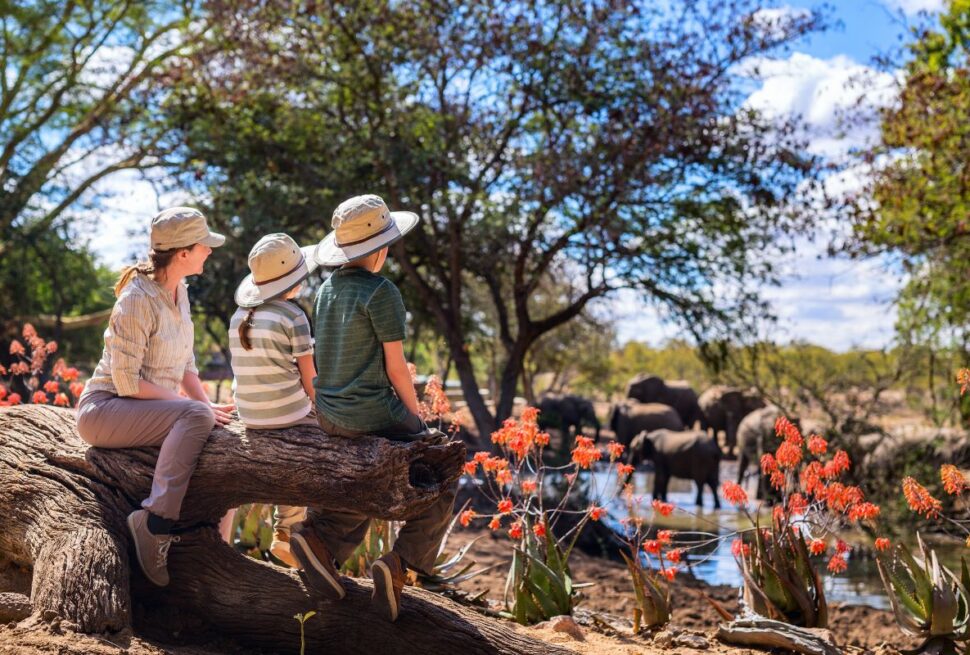
The right gear, such as binoculars and neutral-colored clothing, can significantly improve your wildlife viewing experience. Binoculars allow you to observe animals from a distance, while appropriate clothing helps you blend into the environment. A complete Kenya safari packing list ensures you do not miss important wildlife moments due to lack of preparation.
5. Improving Travel Convenience and Mobility
Packing smartly makes it easier to move between lodges, parks, and game drives without unnecessary luggage stress. Lightweight bags and well-organized essentials help you access what you need quickly and efficiently. A structured Kenya safari packing list ensures your travel remains smooth and hassle-free.
6. Reducing Travel Stress and Uncertainty
Being well-prepared reduces anxiety and eliminates last-minute worries about forgotten items. Knowing you have everything you need allows you to fully immerse yourself in the safari experience. A reliable Kenya safari packing list gives you peace of mind, making your journey more enjoyable from start to finish.
Essential Clothing for a Kenya Safari Packing List
Choosing the right clothing is one of the most important parts of preparing your Kenya safari packing list, as it directly affects your comfort, mobility, and overall safari experience. Since safari environments involve long game drives, changing temperatures, and exposure to the sun, your clothing should be practical, comfortable, and suitable for outdoor conditions. The following essentials will help you dress appropriately for a successful safari:
1. Neutral-Colored Clothing for Game Viewing
Neutral colors such as khaki, beige, olive, and light brown are ideal for safari environments because they blend well with natural surroundings and do not attract unnecessary attention from wildlife. Bright colors and dark tones should generally be avoided as they can stand out or attract insects. Including neutral clothing in your Kenya safari packing list ensures you remain comfortable and well-suited for game viewing activities.
2. Lightweight and Breathable Fabrics
Safari days can become warm, especially during midday game drives, so lightweight and breathable fabrics like cotton and linen are highly recommended. These materials help regulate body temperature and keep you comfortable during long hours outdoors. A Kenya safari packing list that includes breathable clothing ensures you stay cool and relaxed throughout your safari experience.
3. Warm Layers for Early Mornings and Evenings
Early morning and evening game drives can be surprisingly cold, especially in open safari vehicles or during the cooler seasons. Packing warm layers such as fleece jackets, sweaters, or light windbreakers helps you stay comfortable during these times. A well-prepared Kenya safari packing list ensures you are ready for temperature changes throughout the day.
4. Comfortable Footwear for Safari Activities
Comfortable and durable footwear is essential for walking safaris, lodge stays, and general travel within safari parks. Closed shoes such as sneakers or lightweight hiking shoes provide good support and protection during outdoor activities. Including proper footwear in your Kenya safari packing list helps prevent discomfort and ensures you can move easily across different terrains.
5. Hats, Sunglasses, and Sun Protection Wear
Sun protection is crucial during safari trips, as you will often be exposed to direct sunlight for extended periods. Wide-brimmed hats, UV-protected sunglasses, and lightweight long-sleeved clothing help shield you from the sun’s rays. A complete Kenya safari packing list should always include these items to ensure safety and comfort under the African sun.
Must-Have Travel Essentials for Your Kenya Safari Packing List
Beyond clothing, a well-prepared Kenya safari packing list should include essential travel items that ensure your trip runs smoothly, safely, and comfortably. These basics help you stay organized, protected, and ready for any situation that may arise during your safari journey. The following essentials are a must for every traveler:
1. Travel Documents and Identification
Having your travel documents in order is critical before and during your safari. This includes your passport, visa (if required), travel insurance details, and booking confirmations for flights and accommodations. Keeping both physical and digital copies ensures quick access in case of emergencies or verification needs.
2. Health and Personal Medication
Carrying personal medication and basic health supplies is important, especially when traveling to remote safari areas. Items such as pain relievers, anti-malarial medication (if prescribed), and any regular prescriptions should be included in your kit. A well-prepared Kenya safari packing list always prioritizes health readiness for a worry-free experience.
3. Insect Repellent and Sunscreen
Insect repellent helps protect against mosquito bites, while sunscreen shields your skin from strong UV exposure during game drives. These two items are essential for comfort and safety in Kenya’s outdoor environments. Including them in your Kenya safari packing list ensures you stay protected throughout your safari activities.
4. Reusable Water Bottle and Hydration Gear
Staying hydrated is vital during long safari days, especially in warm weather conditions. A reusable water bottle helps you carry enough water while reducing plastic waste during your trip. Adding hydration essentials to your Kenya safari packing list ensures you maintain energy and comfort throughout your safari.
5. Small Backpack for Game Drives
A small, lightweight backpack is useful for carrying essentials such as water, snacks, camera gear, and personal items during game drives. It keeps everything organized and easily accessible while on the move. A practical Kenya safari packing list always includes a backpack to enhance convenience during daily safari excursions.
Essential Safari Gear You Should Not Forget in Your Kenya Safari Packing List
A well-prepared Kenya safari packing list goes beyond clothing and basic travel items to include specialized gear that enhances your wildlife viewing, photography, and overall safari comfort. These tools help you stay connected, capture memories, and fully enjoy the safari experience even in remote locations. The following essential gear items should always be included:
1. Binoculars for Close Wildlife Observation
Binoculars are one of the most important safari tools, allowing you to observe animals, birds, and distant wildlife activity in greater detail. They significantly enhance your game viewing experience, especially when animals are far from the vehicle or partially hidden in the landscape.
2. Camera and Photography Equipment
A camera is essential for capturing Kenya’s breathtaking wildlife and landscapes, from the Great Rift Valley to the Maasai Mara plains. Extra batteries, memory cards, and protective cases ensure you don’t miss important moments due to technical limitations.
3. Power Banks and Charging Accessories
Since charging points may not always be available during long game drives or remote stays, power banks are crucial for keeping your phone, camera, and other devices powered throughout the day. A Kenya safari packing list should always include reliable charging solutions for uninterrupted connectivity.
4. Travel Adapters for Kenyan Power Outlets
Kenya uses specific plug types and voltage systems, making travel adapters essential for international travelers. These adapters ensure you can safely charge your devices in lodges, camps, and hotels without compatibility issues.
5. Flashlight or Headlamp for Night Use
A flashlight or headlamp is very useful in safari camps, especially when moving around at night or during early morning departures. It improves visibility and safety, particularly in remote areas where lighting may be limited.
6. Lightweight Daypack for Safari Activities
A small, lightweight daypack helps you carry essentials such as water, snacks, sunscreen, and photography gear during game drives. It keeps your items organized and easily accessible while ensuring you travel comfortably throughout the day.
Kenya Safari Packing List by Season
A smart Kenya safari packing list should always consider seasonal weather changes, as conditions in Kenya vary between dry, wet, and transitional periods. Packing according to the season ensures comfort, proper protection, and a more enjoyable safari experience regardless of when you travel. The following seasonal guidelines will help you prepare effectively:
1. Packing for the Dry Season (June–October & January–February)
The dry season is generally characterized by sunny days, cooler mornings, and excellent wildlife viewing as animals gather around water sources. Lightweight clothing for daytime, warm layers for early mornings and evenings, and sun protection items such as hats and sunscreen are essential. A Kenya safari packing list for this season should also include binoculars and dust protection gear due to dry and sometimes dusty conditions.
2. Packing for the Green Season (November–May)
The green season brings lush landscapes, occasional rainfall, and fewer tourists, creating a more scenic and peaceful safari experience. Waterproof jackets, quick-dry clothing, and waterproof bags are highly recommended to stay comfortable during unexpected showers. Including insect repellent and sturdy footwear in your Kenya safari packing list is also important due to wetter conditions and thicker vegetation.
3. What to Pack for Mixed Weather Conditions
Since weather in Kenya can sometimes be unpredictable, especially during transitional months, it is best to prepare for both warm and cool conditions. Layered clothing allows you to adjust easily throughout the day without discomfort, while a lightweight rain jacket provides added protection. A flexible Kenya safari packing list ensures you remain comfortable and well-prepared regardless of sudden weather changes.
What Not to Pack for a Kenya Safari
A well-planned Kenya safari packing list is not only about what to bring, but also about what to intentionally leave behind. Overpacking or carrying unsuitable items can make travel less comfortable, especially when moving between parks, lodges, or small aircraft transfers. To ensure a smooth and stress-free safari experience, here are key items you should avoid:
1. Heavy Luggage and Overpacking Mistakes
Heavy suitcases can be difficult to transport, especially when using safari vehicles or domestic flights with strict baggage limits. Overpacking also makes it harder to stay organized during frequent lodge changes. A smart Kenya safari packing list focuses on lightweight, soft-sided bags with only essential items.
2. Bright and Flashy Clothing
Bright colors and flashy outfits are not ideal for safari environments because they stand out in natural landscapes and may distract from the wildlife experience. They are also less practical for photography and blending into the surroundings. A proper Kenya safari packing list prioritizes neutral, earth-toned clothing instead.
3. Unnecessary Valuables and Expensive Jewelry
Carrying high-value jewelry or luxury items is unnecessary on safari and can create security or loss concerns in remote areas. Most safari experiences are casual and outdoors-focused, making such items impractical. A good Kenya safari packing list focuses on functional and essential travel gear instead.
4. Bulky or Unused Electronics
Large or unnecessary electronics can take up valuable space and are often not needed during a safari. Many lodges already provide basic amenities, reducing the need for excessive gadgets. A practical Kenya safari packing list includes only essential devices like cameras, phones, and power banks.
5. Hard-Shell Suitcases
Hard-shell suitcases are not ideal for safari travel due to limited storage space in vehicles and light aircraft restrictions. They are also harder to handle during transfers compared to soft bags. A flexible Kenya safari packing list recommends soft duffel bags for easier movement and storage.
6. Heavy or Formal Clothing
Formal wear and heavy outfits are unnecessary on safari, where comfort and practicality are more important than dress codes. Such clothing takes up space and is rarely used during game drives or lodge stays. A well-planned Kenya safari packing list favors light, casual, and functional attire suitable for outdoor conditions.
Family and Child-Friendly Kenya Safari Packing List Tips
Traveling with children requires extra attention when preparing your Kenya safari packing list, as kids need comfort, entertainment, protection, and practical essentials to fully enjoy the safari experience. Proper planning ensures that long game drives, changing weather, and outdoor conditions remain enjoyable for the entire family. The following tips will help you pack effectively for children:
1. What Children Should Pack for Safari
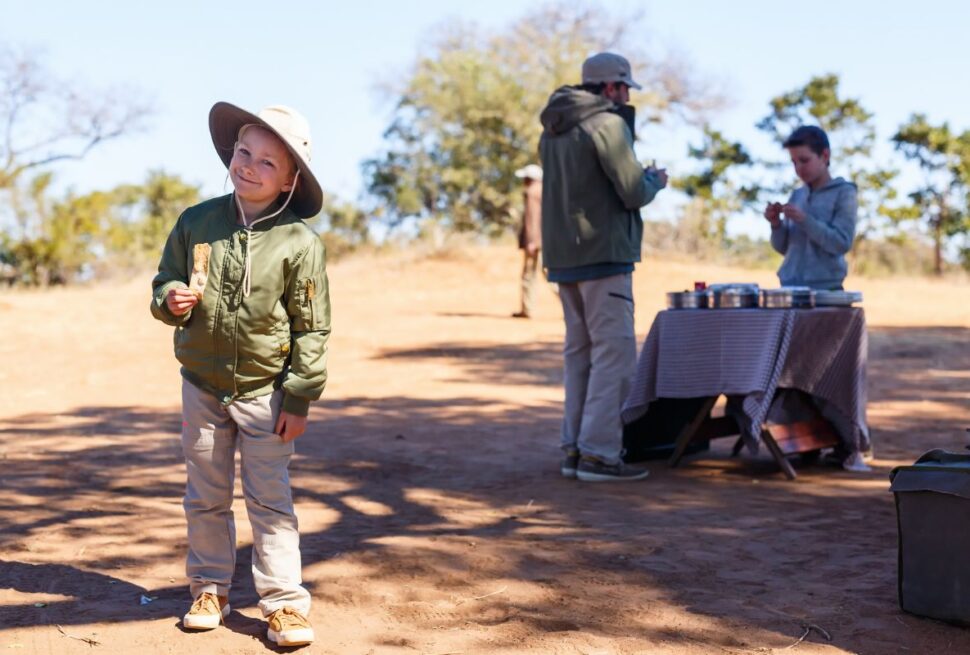
Children should pack lightweight, breathable clothing in neutral colors that are suitable for outdoor activities and game drives. Essentials such as hats, sunglasses, sunscreen, comfortable shoes, and a light jacket for cooler mornings and evenings are also important. A well-prepared Kenya safari packing list for children ensures they remain comfortable in different safari conditions.
2. Entertainment Items for Long Drives
Game drives can sometimes be long and quiet, so entertainment is important to keep children engaged. Coloring books, wildlife storybooks, travel games, and tablets with headphones can help pass time during longer stretches. Including entertainment in your Kenya safari packing list helps reduce boredom and keeps children excited throughout the journey.
3. Snacks and Reusable Water Bottles
Healthy snacks and reusable water bottles help keep children energized and hydrated during safari activities. Since meal times may vary depending on the itinerary, having snacks on hand ensures they remain comfortable and satisfied. This is an essential part of any family-friendly Kenya safari packing list.
4. Comfort Items for Better Rest
Comfort items such as travel pillows, small blankets, or a favorite soft toy can help children rest better during transfers or long drives. These items provide familiarity and emotional comfort in new environments. A thoughtful Kenya safari packing list for families always includes items that support rest and relaxation for kids.
5. Health and Safety Essentials
Basic health items like hand sanitizer, wet wipes, insect repellent, and any prescribed medication are important for maintaining children’s hygiene and safety. These essentials help prevent minor illnesses and ensure quick response to small health needs. Including them in your Kenya safari packing list ensures peace of mind for parents throughout the trip.
6. Sun and Weather Protection Gear
Children are more sensitive to sun exposure, so proper protection is essential during safari activities. Wide-brimmed hats, sunscreen, and light long-sleeved clothing help protect them from harsh sun and changing weather conditions. A complete Kenya safari packing list for kids always prioritizes sun safety and comfort.
Packing Tips for a Smooth Kenya Safari Experience
A well-thought-out Kenya safari packing list is not just about what you bring, but also how you pack and organize your items. Smart packing helps you move easily between destinations, access essentials quickly during game drives, and avoid unnecessary travel stress. The following tips will help you stay organized and travel more comfortably:
1. How to Pack Light but Smart
Packing light makes your safari experience more comfortable and reduces stress when moving between lodges or airstrips. Focus on versatile clothing that can be layered and reused across different days and weather conditions. A smart Kenya safari packing list prioritizes essentials that serve multiple purposes instead of overpacking unnecessary items.
2. Use Soft-Sided Duffel Bags Instead of Hard Suitcases
Soft-sided duffel bags are highly recommended for safari travel because they fit easily in safari vehicles and small aircraft luggage compartments. Hard-shell suitcases are often bulky and inconvenient in limited storage spaces. Choosing flexible luggage as part of your Kenya safari packing list ensures smoother transfers and easier handling throughout your journey.
3. Organize Items Using Packing Cubes
Packing cubes or small organizers help separate clothing, electronics, and toiletries, making it easier to find items quickly. This is especially useful during frequent lodge changes or early morning departures. A well-organized Kenya safari packing list improves efficiency and reduces time spent searching for essentials.
4. Keep Safari Essentials in a Daypack
Always carry a small daypack for game drives containing items like water, sunscreen, binoculars, and a camera. This ensures you have everything you need within easy reach during wildlife viewing. A practical Kenya safari packing list includes a dedicated bag for daily safari activities.
5. Prioritize Frequently Used Items
Items such as passports, medication, sunglasses, and phones should be easily accessible at all times. Keeping them in a separate pouch or front compartment avoids delays and inconvenience during travel. A well-structured Kenya safari packing list ensures your most important essentials are always within reach.
6. Prepare for Quick Access During Game Drives
During game drives, wildlife sightings can happen quickly, so it’s important to have your gear ready at all times. Cameras, binoculars, and water bottles should be stored in accessible sections of your bag. A properly organized Kenya safari packing list ensures you never miss important safari moments due to poor preparation.
Why Book Your Kenya Safari with Sandy Shores Africa
Choosing the right safari partner can make a major difference in how well your Kenya adventure is planned, executed, and enjoyed. At Sandy Shores Africa, we focus on creating seamless, well-organized, and memorable safari experiences tailored to different travel needs and preferences. When planning your Kenya safari packing list and overall journey, here is why travelers trust us:
1. Expertly Planned Safari Experiences
We design carefully structured safari itineraries that balance wildlife viewing, travel time, and comfort across Kenya’s top destinations. Every detail is thoughtfully arranged to ensure a smooth and rewarding experience from start to finish.
2. Personalized Travel Advice and Packing Guidance
We provide tailored advice based on your travel season, destinations, and safari type to help you prepare effectively. This includes practical support on building the right Kenya safari packing list so you travel fully prepared and stress-free.
3. Trusted Local Safari Guides and Support
Our experienced local guides bring deep knowledge of Kenya’s wildlife, landscapes, and safari routes. Their expertise ensures safe travel, insightful game drives, and meaningful wildlife encounters throughout your journey.
4. Seamless Booking and Travel Planning Assistance
We handle all logistics including accommodation, park arrangements, transport, and scheduling to make your safari hassle-free. This allows you to focus entirely on enjoying your trip without worrying about complex planning details.
5. Carefully Selected Accommodation Options
We partner with trusted lodges and camps that offer comfort, safety, and excellent service in prime wildlife locations. This ensures you enjoy quality stays that complement your safari experience.
6. Reliable Customer Support Throughout Your Trip
From the moment you book until the end of your safari, our team remains available to assist you. Whether it’s last-minute changes or on-ground support, we ensure your journey remains smooth and stress-free.
Frequently Asked Questions About Kenya Safari Packing List
Before packing for your trip, it’s normal to have questions about what is truly necessary for a safari in Kenya. Understanding the essentials helps you avoid overpacking while ensuring you are fully prepared for different weather conditions, game drives, and lodge stays. Below are the most common questions travelers ask when preparing their Kenya safari packing list:
1. What is the most important item on a Kenya safari packing list?
The most important items are comfortable, neutral-colored clothing, sun protection, and essential travel documents. These ensure you stay comfortable, safe, and prepared throughout your safari experience. Without these basics, your overall comfort and convenience may be affected.
2. Can I wear jeans on safari in Kenya?
Yes, you can wear jeans, but they are not always the most comfortable option for long game drives due to heat and limited breathability. Lightweight trousers or cargo pants are generally preferred. However, jeans can still be useful for cooler evenings.
3. How much luggage should I bring on a safari?
It is best to travel light, ideally with one soft duffel bag and a small daypack. Many safari flights have strict weight limits, often around 15–20 kg per person. A compact safari packing list helps ensure easier movement between destinations.
4. Do I need special shoes for a Kenya safari?
You don’t need specialized footwear, but comfortable closed shoes such as sneakers or lightweight hiking shoes are highly recommended. They provide support for walking around lodges and occasional nature walks. Avoid heavy or formal shoes as they are unnecessary.
5. Is laundry available in safari lodges?
Yes, most mid-range and luxury safari lodges offer laundry services, although they may take one or two days to complete. This allows you to pack fewer clothing items and reuse essentials during your trip. Always confirm availability with your lodge in advance.
6. Should I pack warm clothes for a safari in Kenya?
Yes, warm clothing is essential, especially for early morning and evening game drives when temperatures can drop significantly. A fleece jacket or light sweater is usually sufficient. Layering is an important part of any safari packing list.
7. Can I bring drones on a Kenya safari?
Drones are generally restricted in many national parks and reserves in Kenya and may require special permits. It is important to check regulations before traveling to avoid legal issues. In most cases, personal use of drones is not allowed in protected wildlife areas.
8. What camera gear is recommended for safari photography?
A good camera with a zoom lens, extra batteries, and memory cards is highly recommended for capturing wildlife moments. A protective bag is also important to guard against dust and movement during game drives. This ensures you don’t miss important photographic opportunities.
9. Do I need binoculars for a safari in Kenya?
Yes, binoculars are highly recommended as they allow you to view distant wildlife clearly and enhance your overall safari experience. They are especially useful in large parks like Maasai Mara and Amboseli. Including them in your safari packing list improves game viewing significantly.
10. What should children pack for a Kenya safari?
Children should pack comfortable clothing, sun protection, entertainment items, snacks, and basic hygiene essentials. Items like books, games, and travel pillows help keep them engaged during long drives. A child-friendly safari packing list ensures a smoother family experience.
11. Are backpacks useful during game drives?
Yes, small backpacks are very useful for carrying essentials such as water, cameras, sunscreen, and binoculars during game drives. They help keep your items organized and easily accessible. A daypack is an important part of any practical safari packing list.
12. What should I avoid packing for a Kenya safari?
You should avoid heavy luggage, flashy clothing, unnecessary valuables, and bulky items that are not needed for outdoor travel. These items can make movement difficult and are often impractical in safari environments. A smart Kenya safari packing list focuses on lightweight and functional essentials only.
Book Your Kenya Safari with Sandy Shores Africa Today
Your Kenya adventure should start with the right planning, and we are here to make that process simple, seamless, and stress-free. At Sandy Shores Africa, we help you design a safari experience that matches your travel style, budget, and expectations while also guiding you on the ideal Kenya safari packing list for your journey. Our team ensures every detail is handled professionally so you can focus on enjoying the experience. Reach out today to get expert support, request a personalized quote, and receive a custom safari itinerary tailored just for you.