
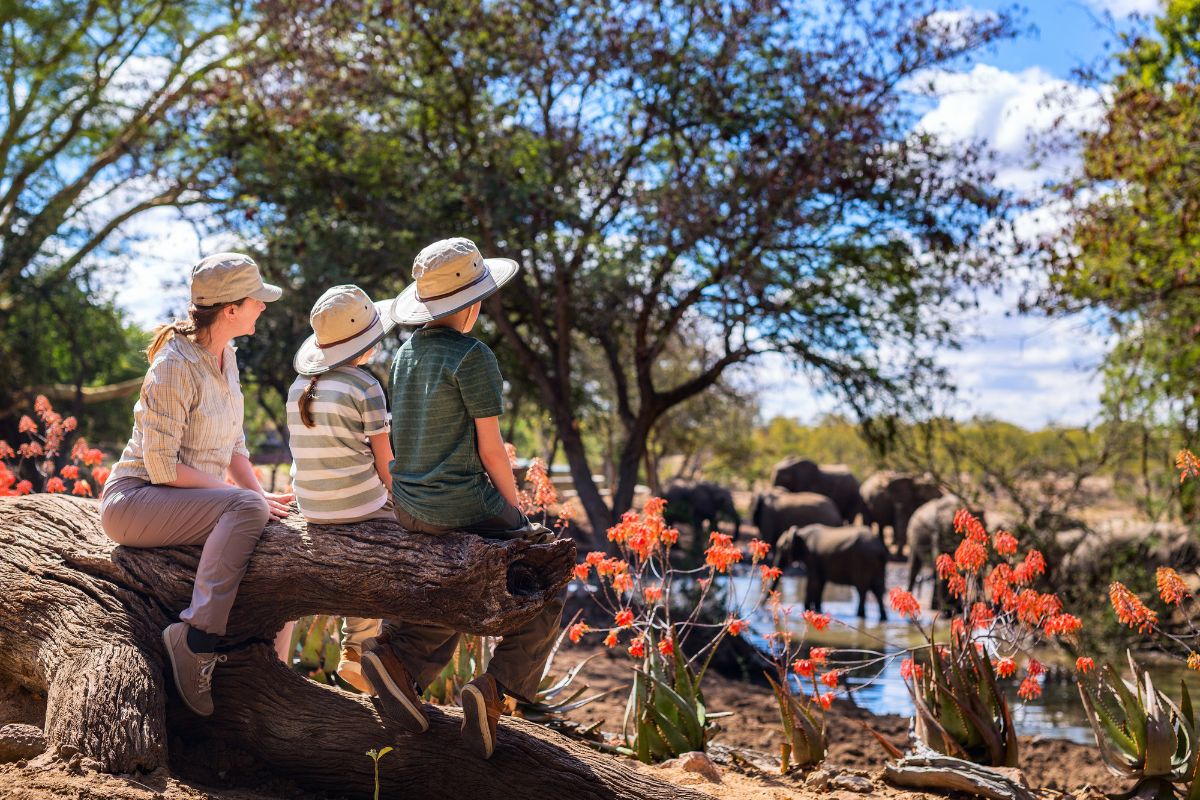
A family safari in Kenya is more than a chance to see lions, elephants, and giraffes—it is an opportunity to experience the wild together and give your children memories they will carry for years. Kenya offers a mix of exciting game drives, scenic landscapes, cultural encounters, and family-friendly stays that can make a safari enjoyable for both parents and children. The key is choosing destinations, activities, and travel times that match your family’s ages, interests, and pace. With the right planning, a family safari in Kenya can become a rewarding adventure that brings the whole family closer while discovering one of Africa’s most remarkable destinations.
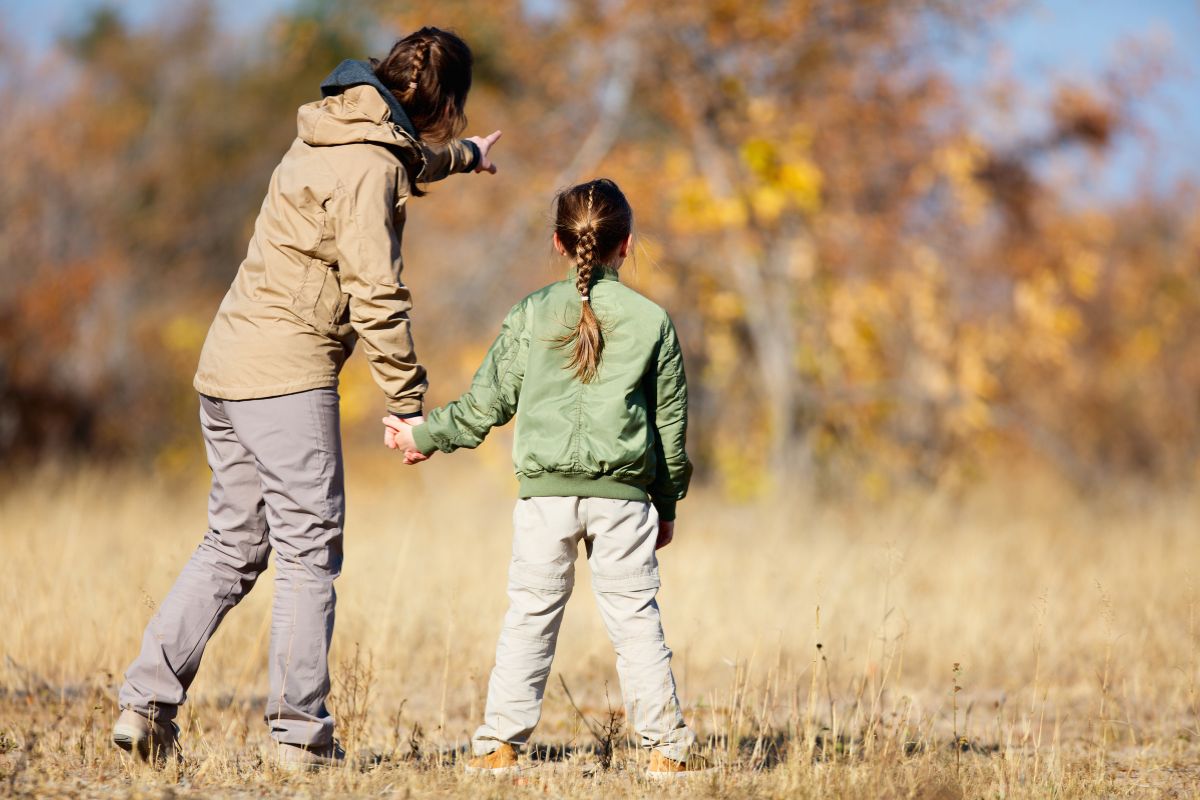
Why Choose a Family Safari in Kenya?
A family safari should offer more than exciting wildlife sightings; it should give parents and children opportunities to explore, learn, and enjoy meaningful experiences together. Kenya’s diverse destinations and range of safari activities make it possible to shape the journey around different ages, interests, and travel styles. Here are some of the reasons a family safari in Kenya can be a rewarding choice:
1. Experience Wildlife Together
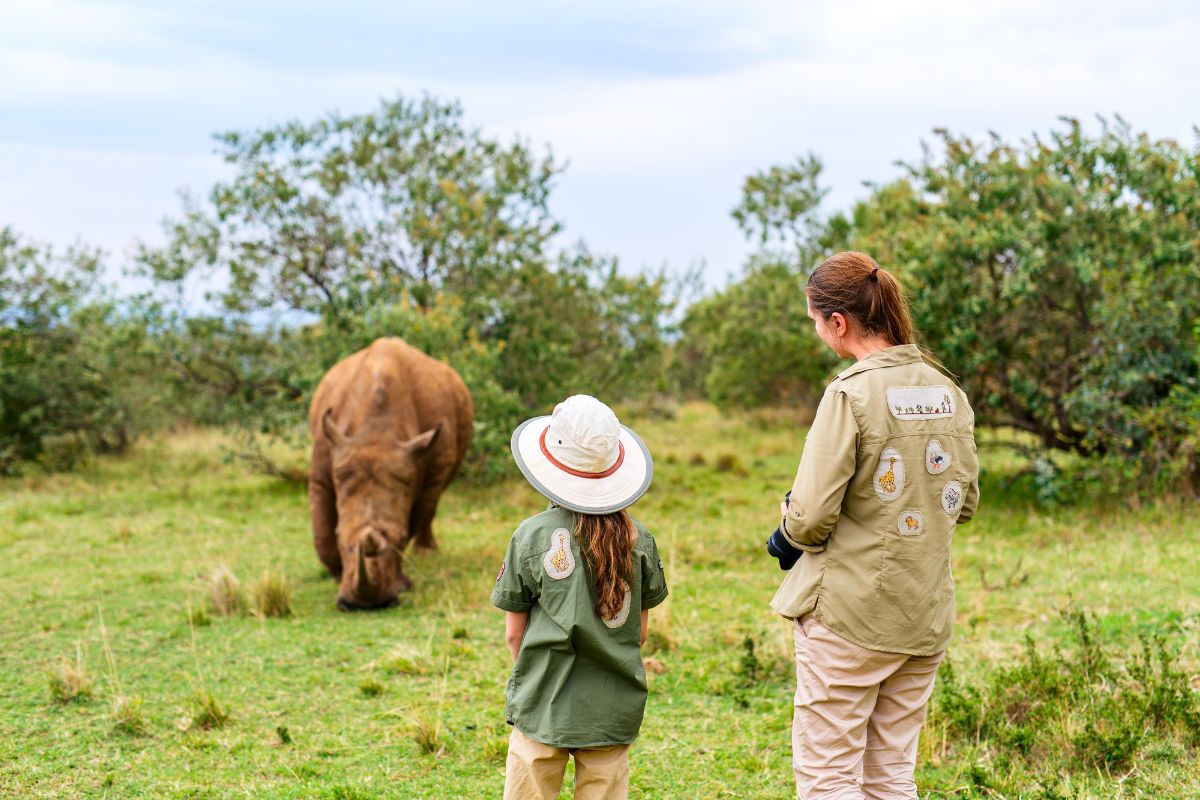
Seeing wildlife in its natural environment can turn a family holiday into a shared adventure that everyone can enjoy. From elephants and lions to giraffes, zebras, and countless bird species, children can observe animals beyond books and screens while parents share in their excitement. Game drives also create natural opportunities for children to ask questions, learn about animal behavior, and develop a deeper appreciation for nature and conservation.
2. Combine Adventure With Family Time
A family safari can balance exciting activities with plenty of opportunities to slow down and spend time together. Game drives can be combined with suitable nature experiences, cultural activities, and relaxed moments at family-friendly accommodation, rather than filling every day with back-to-back activities. This balance helps children enjoy the adventure without becoming overwhelmed, while giving the whole family time to rest, connect, and enjoy the surroundings.
3. Create Educational Travel Experiences
Traveling through Kenya gives children the chance to learn about wildlife, conservation, local cultures, geography, and different ecosystems in a way that feels engaging and real. Depending on their age, children can learn by observing animals, understanding how ecosystems work, discovering local traditions, and seeing how conservation supports wildlife. These experiences can add an educational dimension to the trip while allowing children to learn naturally through exploration.
4. Choose a Safari That Fits Your Family
There is no single safari style that works for every family because children’s ages, interests, budgets, and preferred travel pace can vary widely. Families with younger children may prefer shorter drives and fewer destinations, while families with older children may be comfortable with longer game drives, more activities, or a wider range of destinations. You can also choose between private and shared experiences depending on the level of flexibility and privacy you want, making it easier to create a family safari in Kenya that suits everyone.
Best Safari Destinations for Families in Kenya
Choosing the right destination can make a major difference to how enjoyable a safari feels for both parents and children. Kenya offers a range of landscapes and wildlife experiences, so families can choose destinations based on the children’s ages, interests, travel time, and preferred pace. These destinations each offer something different for a memorable family safari in Kenya:
1. Maasai Mara National Reserve
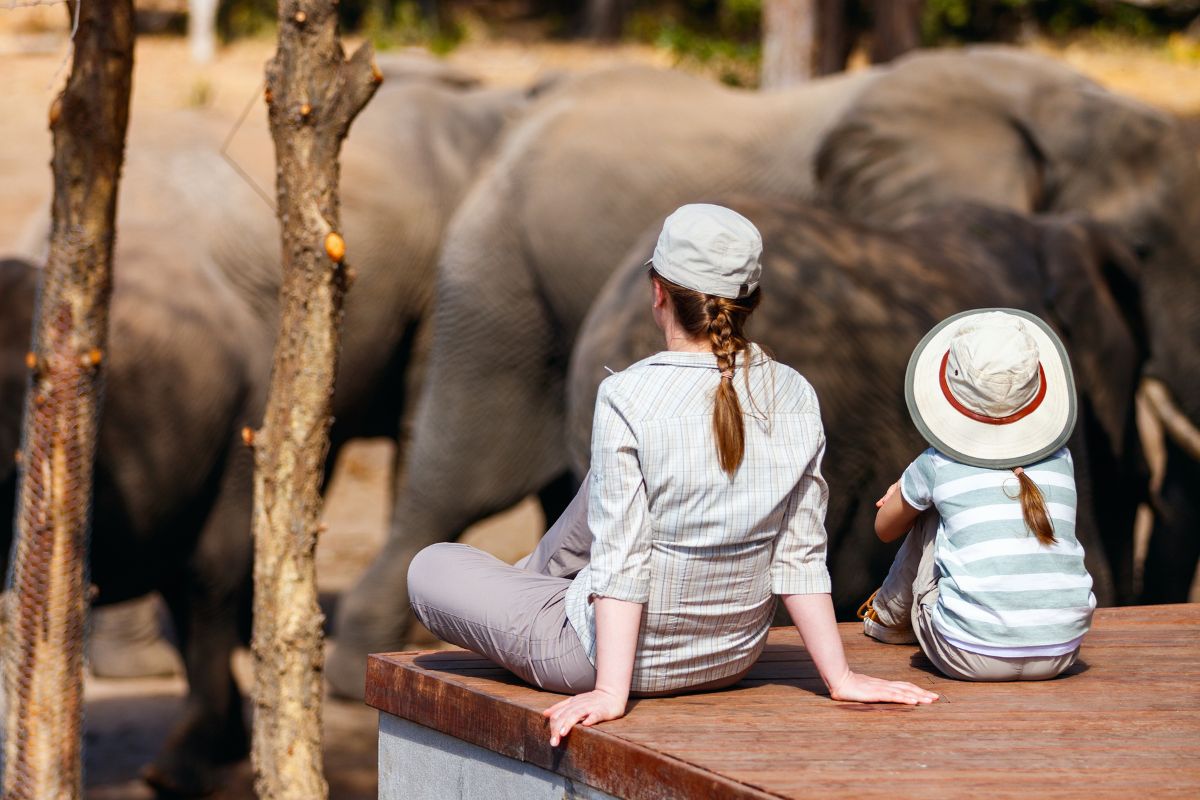
The Maasai Mara is one of Kenya’s most iconic safari destinations and a strong choice for families experiencing their first safari. Its open savannah makes wildlife easier to spot, with opportunities to see lions, elephants, giraffes, zebras, and other species, including the Big Five. Families can enjoy game drives at a pace suited to their needs, while the wide selection of camps and lodges provides accommodation options for different family sizes and budgets.
2. Amboseli National Park
Amboseli combines memorable wildlife encounters with dramatic views of Mount Kilimanjaro, creating a scenic setting that can make game drives especially engaging for children. The park is well known for its large elephant populations, while its open landscapes provide excellent opportunities for wildlife viewing and photography. For families who enjoy scenery as much as animals, Amboseli offers a distinctive safari experience that can add variety to their trip.
3. Lake Naivasha
Lake Naivasha provides a more relaxed nature experience that can be useful for families who want a break from longer game drives. Boat experiences, birdlife, scenic Rift Valley surroundings, and other nature activities give children different ways to explore the environment. Its slower pace also makes it a useful stop between more intensive safari destinations.
4. Samburu National Reserve
Samburu offers families a chance to experience a different side of Kenya, with distinctive northern landscapes, unique wildlife, and opportunities for cultural experiences. Its more remote atmosphere can appeal particularly to families with older children who are ready for a broader safari adventure. Adding Samburu to a longer trip can also introduce greater variety instead of focusing only on the more traditional southern safari destinations.
5. Tsavo National Parks
Tsavo offers vast wilderness, diverse landscapes, and a broad range of wildlife experiences, making it an option for families looking for a more expansive safari setting. Its location also makes it particularly useful for families who want to combine their safari with time on the Kenyan coast. A route through Tsavo followed by a beach stay can create a practical balance between wildlife adventure and relaxation.
Which Safari Destination Is Best for Families?
The best destination depends on what your family wants to experience, how long you have, and how much travel your children are comfortable with. A simple comparison can help narrow down the options:
| What Your Family Wants | Recommended Destination |
|---|---|
| Classic wildlife safari | Maasai Mara |
| Elephants and scenery | Amboseli |
| Relaxed nature experience | Lake Naivasha |
| Unique wildlife and culture | Samburu |
| Safari + beach combination | Tsavo |
How to Choose the Right Family Safari in Kenya
Planning a family safari involves more than choosing a few famous parks and booking accommodation. Parents also need to consider the children’s ages, available vacation time, preferred activities, and how much travel the family can comfortably handle. Making these decisions early can help create a smoother and more enjoyable family safari in Kenya:
1. Consider Your Children’s Ages
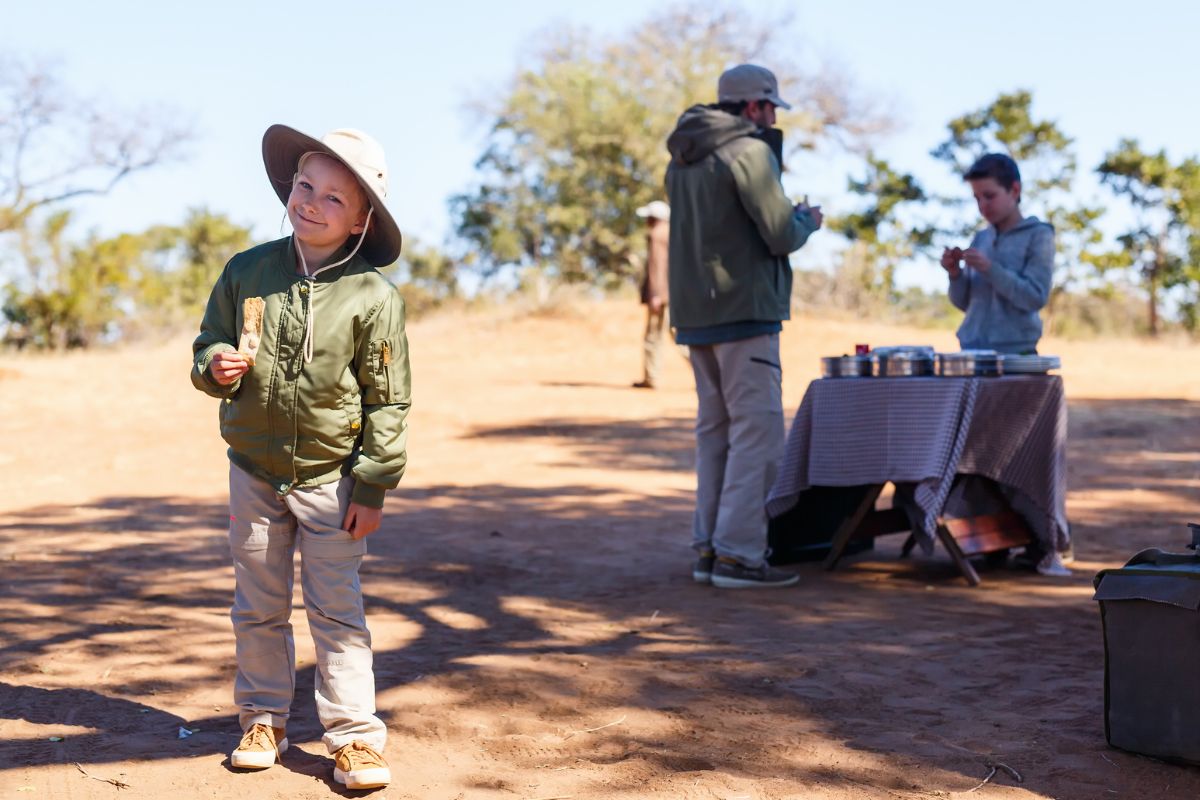
Your children’s ages should play a major role in shaping the safari because their energy levels, attention spans, and activity needs can differ considerably. Families traveling with toddlers may benefit from shorter game drives, fewer destinations, and more downtime, while school-age children may enjoy a wider range of wildlife and nature activities. Teenagers may be comfortable with longer drives and more adventurous experiences, so matching the itinerary to their age can make the trip more enjoyable for everyone.
2. Decide How Long Your Family Should Travel
The right trip length depends on your family’s schedule, children’s ages, and how much of Kenya you want to experience. A 3–4 day safari can work well for families with limited time, while 5–7 days provides more room for wildlife viewing and a slower pace. Longer 8–14 day trips can include several destinations or a safari-and-beach combination, but additional days do not mean you need to add more stops; sometimes they are better used to rest and enjoy each destination without rushing.
3. Choose the Right Safari Pace
Children may not enjoy an itinerary packed with early starts, long game drives, and constant activities every day. Consider combining morning game drives with relaxed afternoons, suitable activities, and enough time at the accommodation for children to rest and recharge. A comfortable pace allows your family to enjoy the excitement of the safari without making the experience tiring.
4. Decide Between Private and Shared Safari Travel
Private and shared safaris offer different advantages, so your choice should depend on your family’s needs and budget. A private vehicle gives you greater flexibility to adjust departure times, spend longer at interesting wildlife sightings, and take breaks when children need them, while shared travel can offer a more affordable option. For families with younger children or specific scheduling needs, the added flexibility of private travel can be particularly useful.
5. Consider Your Family’s Interests
The best family safari is one that gives everyone something to look forward to. Wildlife enthusiasts may want to focus on game drives, while children interested in photography may enjoy opportunities to capture animals and landscapes, and families interested in culture can include suitable community experiences. Nature, adventure, education, and beach relaxation can also be incorporated where appropriate, allowing the itinerary to reflect your family’s shared interests.
6. Plan Around Travel Time and Transfers
Travel between destinations can take time, so families should consider the length and frequency of road journeys when building their itinerary. Domestic flights can sometimes reduce travel time, while practical routing can prevent children from spending too many hours moving between locations. Allowing time to rest after longer transfers can also help the family settle into each destination before starting the next activity.
Best Activities for Children on a Kenya Safari
Game drives may be the main attraction, but a family safari can include many other experiences that keep children interested and engaged. Mixing wildlife viewing with nature, culture, and age-appropriate activities can also prevent the trip from feeling repetitive. Consider adding some of these experiences to create a more varied family safari in Kenya:
1. Wildlife Game Drives
Game drives give children the chance to see animals such as elephants, lions, giraffes, zebras, and other wildlife in their natural environment. To keep younger travelers engaged, families can choose game-drive durations that match their children’s ages and attention spans rather than spending every day on long drives. Guides can also make the experience more educational by explaining animal behavior, tracks, habitats, and conservation in ways children can understand.
2. Guided Nature Walks
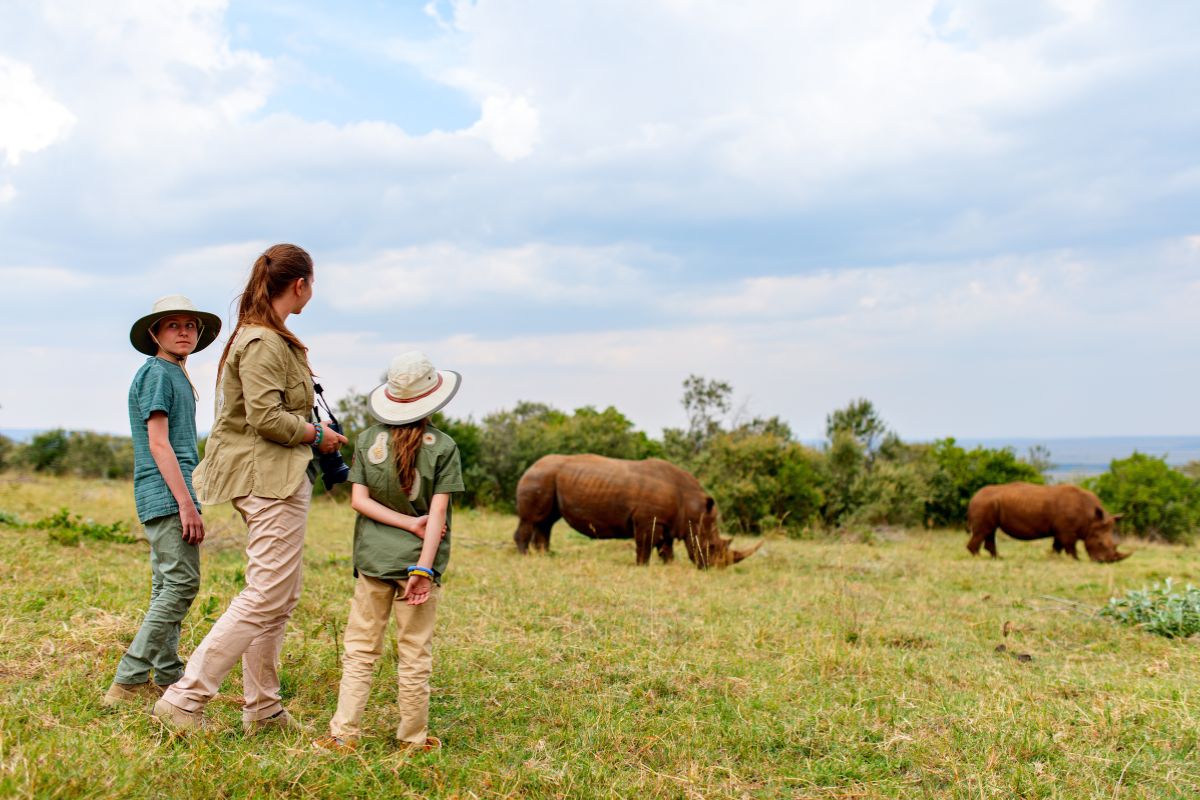
Where available and suitable for the child’s age, guided nature walks can provide a different perspective on the safari experience. Instead of focusing only on large animals, children can discover plants, insects, animal tracks, birds, and other smaller details that are easy to miss from a vehicle. These walks should always follow the guidance of trained professionals and the safety requirements of the specific location.
3. Cultural Experiences
Appropriate cultural experiences can help children learn about local communities, traditions, and everyday life while adding a different dimension to the safari. Depending on the destination, families may encounter cultural demonstrations, traditional activities, or guided community experiences. Choosing respectful and age-appropriate activities allows children to learn about Kenyan culture while engaging with people and places beyond the wildlife areas.
4. Boat and Lake Experiences
Boat trips can give children a welcome change from traditional game drives while allowing them to explore Kenya’s lakes and waterways. Families may enjoy birdwatching, observing aquatic wildlife, and taking in the surrounding scenery from the water. These experiences can add variety to the itinerary and provide a more relaxed way for children to discover nature.
5. Wildlife and Nature Photography
Giving children a simple camera or allowing them to use a suitable device can turn wildlife viewing into an interactive activity. They can look for particular animals, photograph interesting landscapes, or create their own record of the trip. Photography also encourages children to observe carefully, be patient, and pay attention to details they might otherwise overlook.
6. Family-Friendly Bush Experiences
Depending on the destination and accommodation, families may be able to enjoy experiences such as suitable bush meals, sundowners, storytelling, or stargazing. These activities allow children to experience the safari environment outside regular game drives and can create memorable family moments. Any such experience should be selected according to the children’s ages, the location’s safety requirements, and what the accommodation or safari operator offers.
Types of Family-Friendly Safari Accommodation in Kenya
Where your family stays can have a major impact on how comfortable and enjoyable the safari feels, especially when traveling with children. Families can choose from lodges, tented camps, private villas, and family units, with each option offering different levels of privacy, comfort, and flexibility. When planning a family safari in Kenya, consider not only the accommodation style but also how well it matches your children’s needs:
1. Family-Friendly Safari Lodges
Safari lodges can be a practical choice for families looking for a comfortable stay with convenient facilities and a range of room options. Depending on the property, families may find dedicated family rooms, connecting rooms, flexible dining arrangements, and child-friendly facilities that make daily routines easier. Location is also important, as staying within or near a safari area can reduce unnecessary travel between accommodation and activities.
2. Tented Safari Camps
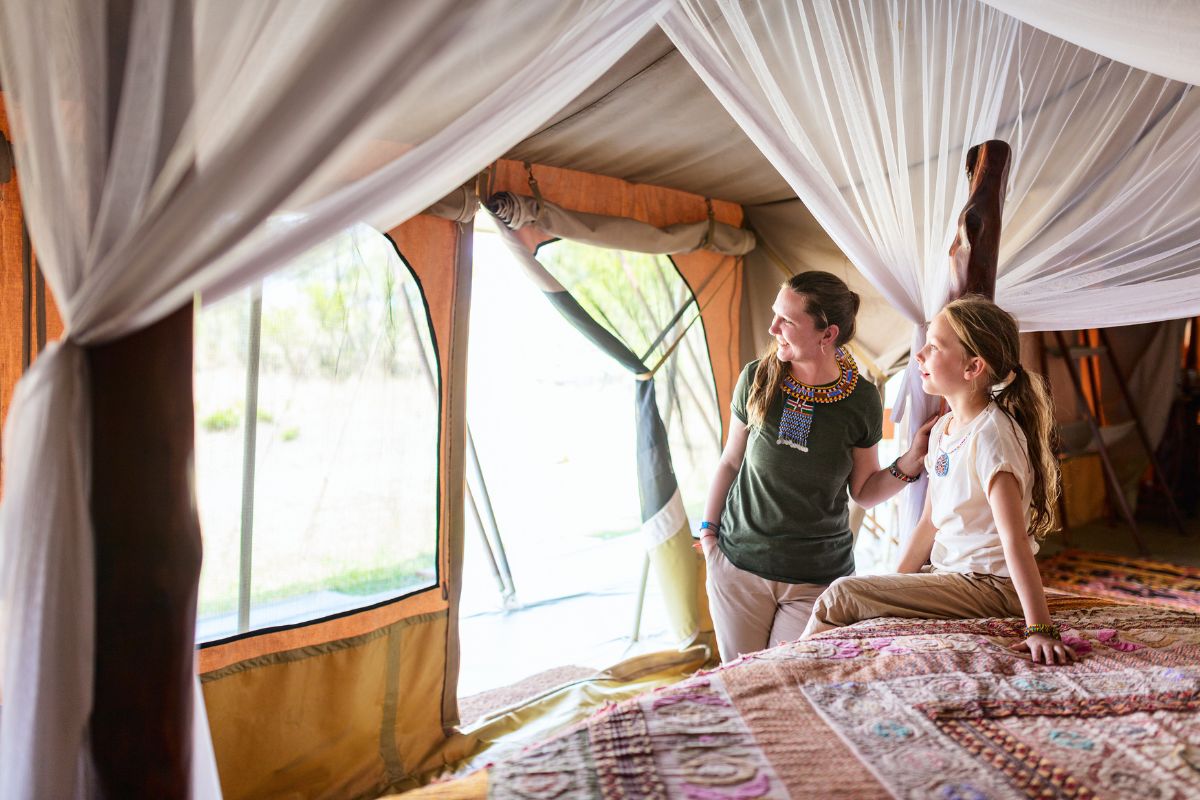
Tented camps offer a more immersive way to experience the wilderness while ranging from comfortable family-oriented camps to more upscale properties. Families should check whether children of their age are permitted, as some camps have minimum-age requirements due to their location or operating environment. Parents should also consider the camp’s safety arrangements, facilities, room configuration, and overall level of comfort before booking.
3. Private Villas and Family Units
Private villas and dedicated family units can provide more space and privacy, making them particularly useful for families traveling with younger children. Having shared family areas can make it easier to maintain familiar routines while still enjoying the safari environment. Depending on the property, these options may also provide greater flexibility around meals, rest times, and daily activities.
4. What Should Parents Look For?
Parents should look beyond the appearance of an accommodation when deciding whether it is suitable for their family. Check the available room configurations, child policies, meal options, safety arrangements, location, and whether facilities such as swimming pools, babysitting, or children’s activities are available. It is also worth considering medical accessibility, included activities, and how easily the accommodation can accommodate your family’s daily routine before making a final choice.
What Is the Best Time for a Family Safari in Kenya?
The ideal time for a family safari depends on more than wildlife viewing alone. Parents also need to consider school holidays, weather, road conditions, crowds, accommodation availability, and the family’s budget when choosing travel dates. Kenya can offer rewarding safari experiences throughout the year, but each season comes with different advantages and considerations:
1. January–February
January and February can provide generally favorable conditions for families looking for warm weather and good opportunities to explore Kenya’s wildlife areas. The relatively dry conditions can make game drives comfortable, while wildlife viewing can be rewarding across many destinations. Families traveling during school holidays should plan ahead because popular accommodation and travel arrangements can become more competitive.
2. March–May
March through May generally falls within Kenya’s long-rain period, which can bring wetter conditions and make some road journeys more challenging. However, the quieter travel environment and potential lower-season opportunities may appeal to families with flexible schedules and a preference for fewer crowds. Parents should consider weather forecasts, road conditions, accommodation policies, and the needs of younger children before choosing this period.
3. June–October
June to October is a popular period for safaris, with generally drier conditions supporting comfortable game drives and good wildlife viewing in many areas. The period can also coincide with school holidays, increasing demand for family-friendly accommodation and popular safari routes. Families planning to travel during this time should consider booking earlier, particularly if they need specific room configurations or preferred travel dates.
4. November–December
November and December can bring short rains, which may result in greener landscapes and changing wildlife conditions. While occasional rainfall can affect some activities and road travel, the period can still provide rewarding safari experiences. December can also bring increased demand around the festive season, so families traveling during this time should plan accommodation and transport arrangements well in advance.
How Long Should a Family Safari in Kenya Be?
The ideal safari length depends on your children’s ages, available vacation time, budget, and how much travel your family is comfortable with. A shorter trip can still provide memorable wildlife experiences, while additional days can give families more time to explore without rushing between destinations. Consider these options when planning a family safari in Kenya:
1. 3–4 Days
A 3–4 day safari can work well for families taking their first safari or traveling with limited vacation time. It is also a practical option for families with younger children who may find longer journeys tiring. Focusing on one main destination, such as the Maasai Mara, allows you to spend more time enjoying wildlife rather than moving between locations.
2. 5–7 Days
A 5–7 day trip provides more flexibility for a relaxed family experience without requiring an overly long holiday. Families can explore one or two destinations, enjoy more game drives, and include additional activities while keeping travel between locations manageable. This length can be a good balance for families who want greater variety without spending too much time on transfers.
3. 8–10 Days
An 8–10 day safari gives families more room to experience different safari environments and add activities beyond traditional game drives. It can be particularly suitable for families with older children who are comfortable with longer journeys and a wider range of experiences. The extra time can also make it easier to combine wildlife activities with relaxation or other family-friendly experiences.
4. 10–14 Days
A 10–14 day trip allows families to travel at a slower pace and spend more meaningful time in several destinations if they wish. This length works well for families who want to combine multiple safari areas with a beach stay or simply include more downtime throughout the journey. With more days available, parents can avoid creating a packed schedule and give children enough time to rest between activities.
More days do not necessarily mean more destinations. Instead, families can use additional time to stay longer in each location, reduce travel fatigue, enjoy their accommodation, and experience Kenya at a pace that works comfortably for everyone.
Sample Family Safari Itineraries in Kenya
A well-planned family safari should balance wildlife, travel time, activities, and opportunities to rest. The following examples show how different trip lengths can be structured, but they are starting points rather than fixed schedules. Each route can be adjusted according to your children’s ages, travel dates, transport schedules, accommodation availability, and preferred family pace.
1. 3-Day First Family Safari
Route: Nairobi → Maasai Mara → Nairobi
This short itinerary keeps travel simple by focusing on one major safari destination, making it suitable for families with limited time or younger children.
Day 1: Nairobi → Maasai Mara
Travel from Nairobi to the Maasai Mara and settle into your accommodation after arrival. If the family has enough energy, an optional afternoon game drive can provide the first opportunity to explore the reserve.
Day 2: Full-Day Maasai Mara Safari
Enjoy a morning game drive followed by time for lunch and a rest at the accommodation. An afternoon game drive can then provide another opportunity for wildlife viewing before a relaxed family evening at the camp or lodge.
Day 3: Maasai Mara → Nairobi
An optional morning game drive can be included before breakfast and the journey back to Nairobi. The shorter schedule limits the number of destinations while allowing the family to focus on the safari experience.
Best for: Families with limited vacation time or younger children.
2. 5-Day Wildlife and Scenery Family Safari
Route: Nairobi → Maasai Mara → Amboseli → Nairobi
This route introduces families to two contrasting safari environments while keeping the number of destinations manageable. It combines the wildlife-rich Maasai Mara with Amboseli’s distinctive scenery and elephants.
Day 1: Nairobi → Maasai Mara
Travel to the Maasai Mara, check in, and settle into your accommodation. An optional afternoon game drive can be added depending on arrival time and the children’s energy levels.
Day 2: Maasai Mara Safari
Spend the day exploring the reserve through morning and afternoon game drives, with a suitable break during the warmer part of the day. Families can adjust the duration of the activities depending on the children’s ages and interests.
Day 3: Maasai Mara → Amboseli
Leave the Maasai Mara and continue toward Amboseli. After arriving and settling in, the family can enjoy a relaxed evening rather than adding another demanding activity.
Day 4: Amboseli Safari
Explore Amboseli through a family-friendly game-drive schedule, with opportunities to see elephants and enjoy the park’s dramatic landscapes. The day can include suitable breaks to keep the experience comfortable for children.
Day 5: Amboseli → Nairobi
Enjoy breakfast and, depending on the schedule, an optional morning activity before beginning the journey back to Nairobi.
Best for: Families who want to experience two contrasting safari environments.
3. 7-Day Family Safari With Nature and Wildlife
Route: Nairobi → Lake Naivasha → Maasai Mara → Nairobi
This itinerary introduces a slower nature experience before moving into the more wildlife-focused Maasai Mara. It can suit families who want greater variety without creating a schedule filled with constant game drives.
Day 1: Nairobi → Lake Naivasha
Travel to Lake Naivasha and settle into your accommodation. The remainder of the day can be kept relaxed so the family has time to adjust to the journey.
Day 2: Lake Naivasha Nature Experience
Enjoy a suitable nature or boat experience, with opportunities to see birdlife and explore the surrounding scenery. The slower pace gives children a break from long vehicle journeys.
Day 3: Lake Naivasha → Maasai Mara
Travel from Lake Naivasha to the Maasai Mara and settle into your safari accommodation. If arrival time allows, an optional afternoon game drive can introduce the family to the reserve.
Day 4: Maasai Mara Safari
Enjoy a morning game drive followed by time to rest before another suitable wildlife activity later in the day.
Day 5: Full-Day Maasai Mara Safari
Spend more time exploring the reserve, with breaks built into the day for meals and relaxation. The schedule can be adjusted according to the children’s ages and interests.
Day 6: Maasai Mara Family Experience
Set aside time for a suitable family-friendly experience, such as a nature, cultural, or other activity available at the destination. This provides variety rather than making every day revolve around game drives.
Day 7: Maasai Mara → Nairobi
After breakfast, begin the journey back to Nairobi, with an optional morning activity depending on the family’s schedule and departure arrangements.
Best for: Families who want a more varied and relaxed safari experience.
4. 8–10 Day Safari and Beach Family Holiday
Route: Nairobi → Maasai Mara → Tsavo → Diani Beach
This longer option combines wildlife and adventure with several days of coastal relaxation. It works well for families who want to experience a safari without ending the holiday immediately after the final game drive.
Day 1: Nairobi → Maasai Mara
Travel to the Maasai Mara, check in, and settle into your accommodation. An optional afternoon game drive can be included if arrival time permits.
Day 2: Maasai Mara Safari
Enjoy a morning game drive, a suitable rest period, and an afternoon wildlife experience. The schedule can be adapted to the family’s preferred pace.
Day 3: Maasai Mara Family Experience
Add a suitable family-friendly activity or enjoy a slower day at the accommodation, with an optional game drive if the children are comfortable.
Day 4: Maasai Mara → Tsavo
Travel from the Maasai Mara toward Tsavo and settle into your accommodation. Keep the evening relaxed after the longer transfer.
Day 5: Tsavo Safari
Explore Tsavo through suitable game drives and enjoy the park’s expansive wilderness and varied landscapes. Breaks can be included throughout the day to make the experience more comfortable for children.
Day 6: Tsavo → Diani Beach
Complete the safari portion of the trip and continue toward Diani Beach. Once you arrive, allow the family to unwind and enjoy a slower evening.
Day 7: Diani Beach Relaxation
Spend the day relaxing by the coast and enjoying the beach at your own pace. Families can keep activities minimal or add a suitable experience depending on their interests.
Day 8: Diani Beach Family Activity
Choose a family-friendly coastal activity that suits the children’s ages and interests, followed by time to relax.
Day 9: Diani Beach at Leisure
Keep the final full day flexible, allowing the family to enjoy the beach, accommodation, or another preferred activity without a packed schedule.
Day 10: Departure
Enjoy breakfast and prepare for departure according to your onward travel arrangements.
Best for: Families wanting to combine wildlife, adventure, and beach relaxation.
Planning note: These itineraries are examples rather than fixed packages. The final route should account for your children’s ages, travel dates, road or flight schedules, accommodation availability, transfer times, and the pace your family is comfortable maintaining.
How Much Does a Family Safari in Kenya Cost?
The cost of a family safari can vary depending on the number of travelers, children’s ages, destinations, accommodation, season, and level of service you choose. Instead of relying on one fixed price, it is more useful to understand what contributes to the total and where you can adjust your spending. Here are the main factors to consider when planning a family safari in Kenya:
1. What Determines the Cost?
Several parts of your safari contribute to the final cost, and some expenses may vary depending on the size and age of your family. Understanding these factors can help you build an itinerary that fits your priorities and budget.
A. Children’s Ages
Children’s ages can influence accommodation arrangements, activity eligibility, and applicable park or conservation fees. Families should confirm age-based rates and restrictions when planning their itinerary.
B. Number of Travelers
The number of adults and children affects accommodation requirements, vehicle arrangements, meals, and other services. Larger families may need additional rooms or vehicles depending on the itinerary.
C. Accommodation
Safari lodges, tented camps, family units, and private villas can have very different rates. The level of comfort, location, facilities, and family suitability will all influence the overall cost.
D. Number of Nights
A longer safari naturally increases accommodation, meals, activities, and other daily expenses. However, staying longer in fewer destinations can sometimes provide better value than constantly moving between locations.
E. Park and Conservation Fees
Safari destinations may charge park or conservation fees that contribute to the overall cost of your trip. These fees can vary by destination and traveler category.
F. Transport and Domestic Flights
Road transfers, safari vehicles, airport transfers, and domestic flights can all affect the final price. The choice between road travel and flights may depend on your route, available time, and family preferences.
G. Meals
Some accommodation rates include meals, while others may have additional dining costs. Families should check what is included before comparing different safari options.
H. Game Drives and Children’s Activities
Game drives and additional family activities can form part of the safari cost. Experiences such as guided nature activities, cultural visits, or boat trips may have separate charges.
I. Private Versus Shared Travel
A private safari vehicle generally provides more flexibility and privacy but can cost more than shared arrangements. Shared travel may offer savings where it suits your family’s needs.
J. Safari Season
Travel demand can influence accommodation availability and pricing. Popular safari periods may require earlier booking and can have higher rates, while suitable lower or shoulder seasons may offer different opportunities.
2. Choosing a Family Safari Budget Level
Once you understand the main cost factors, you can decide what level of safari experience best suits your family’s expectations. The right choice is not necessarily the most expensive option but the one that provides the comfort, activities, and flexibility your family values most.
A. Budget and Mid-Range
Budget and mid-range safaris can provide comfortable accommodation, game drives, and essential safari experiences without focusing heavily on premium facilities. These options can work well for families that would rather allocate more of their budget to exploring destinations and activities.
B. Luxury
Luxury safaris generally provide a higher level of accommodation, service, dining, comfort, and location. They can be suitable for families who want a more comfortable experience and may include additional facilities or personalized activities.
C. Premium and Private
Premium or private safaris can provide greater privacy, flexibility, personalized service, and more control over the family’s schedule. They are often suited to families who prioritize exclusive accommodation, private vehicles, and customized experiences.
D. Accommodation and Transport Choices
Accommodation and transport can have a significant effect on the total cost. Choosing a higher-end lodge or private vehicle can increase the budget, while selecting comfortable mid-range accommodation or shared services where appropriate may help keep costs more manageable.
3. Ways Families Can Manage Their Budget
A family safari does not have to become unnecessarily expensive simply because you are traveling with children. Careful planning can help you direct your budget toward the destinations, accommodation, and experiences that matter most to your family.
A. Choose Fewer Destinations
Visiting fewer destinations can reduce transfer costs and give your family more time to enjoy each location. It can also create a more relaxed itinerary for children.
B. Compare Family Accommodation Options
Look at family rooms, connecting rooms, family units, and other accommodation arrangements rather than assuming that separate rooms are always the best option. Comparing what is included can also help you identify better overall value.
C. Use Shared Services Where Appropriate
Shared vehicles and other services can reduce costs when they are practical for your family. However, families with younger children or specific scheduling needs may find private services more convenient.
D. Select Activities Carefully
You do not need to include every available activity. Prioritize the experiences your children and family are most excited about and build the rest of the itinerary around them.
E. Consider Suitable Lower or Shoulder Seasons
If your school schedule allows, traveling during an appropriate lower or shoulder season may provide different accommodation and travel opportunities. Families should still consider weather, road conditions, and activity availability before choosing their dates.
F. Prioritize What Matters Most
A well-planned safari focuses spending on the experiences that are most valuable to your family. Rather than adding destinations simply to make the itinerary longer, consider investing in comfortable accommodation, meaningful activities, or a private experience where these will make the greatest difference.
Kenya Safari Packing Essentials for Families
Packing for a family safari requires a balance between practical safari gear and the everyday items children may need during travel. You do not need to pack everything, but having the right clothing, sun protection, snacks, and essential documents can make the journey more comfortable. Keep your family’s itinerary, children’s ages, and planned activities in mind when preparing:

1. Clothing and Footwear
Choose comfortable clothing that works for warm days, cooler mornings, and different activities. Lightweight and practical items are usually more useful than packing large amounts of clothing.
A. Lightweight Clothing
Pack breathable shirts, trousers, shorts, and other comfortable clothing suitable for warm safari days.
B. Comfortable Shoes
Bring comfortable walking shoes or sneakers for game drives, nature activities, and general movement around the accommodation.
C. Warm Layers
A light jacket, sweater, or fleece can be useful during cooler mornings and evenings, especially on early game drives.
D. Swimwear
If your accommodation has a swimming pool or your itinerary includes a beach or other water activity, pack suitable swimwear for the children.
2. Safari and Sun Protection
Children can be particularly sensitive to strong sun and outdoor conditions, so basic protection should be easy to access throughout the day.
A. Binoculars
A pair of child-friendly binoculars can make wildlife viewing more engaging and encourage children to observe animals from a distance.
B. Camera
A simple camera or smartphone can allow older children to document wildlife and create their own safari memories.
C. Sunglasses
Pack comfortable sunglasses that provide suitable protection from bright sunlight.
D. Hats
Wide-brimmed or comfortable sun hats can help protect children during outdoor activities and game drives.
E. Sunscreen
Bring sunscreen suitable for your children’s ages and apply it regularly when spending time outdoors.
F. Insect Repellent
A suitable insect repellent can be useful, particularly when spending time outdoors in the morning and evening.
3. Children’s Essentials
Small comforts can make a noticeable difference during long drives and transfers, especially for younger children. Pack familiar items that help keep children comfortable and occupied without overloading your luggage.
A. Snacks
Bring suitable snacks for longer journeys and between meals, while checking any accommodation or travel restrictions that may apply.
B. Reusable Water Bottles
Reusable bottles help keep children hydrated throughout game drives, transfers, and other outdoor activities.
C. Entertainment for Long Transfers
Books, travel games, headphones, or downloaded entertainment can help children stay occupied during longer journeys.
D. Comfort Items for Younger Children
Bring familiar comfort items such as a favorite toy, blanket, or other small item that can help younger children settle into unfamiliar surroundings.
4. Travel Documents and Personal Essentials
Keep important documents and essential personal items organized and accessible throughout the trip. It is also useful to carry copies separately in case original documents are misplaced.
A. Passports and Required Documents
Carry valid passports, required entry documents, travel confirmations, and any other paperwork needed for the trip.
B. Travel Insurance
Keep your travel insurance details and policy information readily available.
C. Medication
Pack regular medication and any basic personal health essentials your children may need during the journey.
D. Toiletries
Bring essential toiletries and child-specific personal care items that may not be readily available at every accommodation.
E. Copies of Important Documents
Keep copies of passports, travel documents, insurance details, and other important information in a separate secure location.
Best Kenya Safari Travel Tips for Families
Traveling with children can make a safari especially rewarding, but a little preparation can make the experience more comfortable for everyone. Parents should think beyond destinations and consider children’s ages, activity requirements, travel time, meals, rest periods, and safety. These practical tips can help your family enjoy the journey without creating an unnecessarily demanding schedule:
1. Consider Your Children’s Ages When Planning
A safari itinerary that works well for teenagers may not suit toddlers or younger children. Consider attention spans, activity requirements, meal routines, and how comfortably each child handles long drives when deciding how many destinations and activities to include.
2. Book Family-Friendly Accommodation Early
Family-friendly accommodation can be limited during busy travel periods, so booking early can give you more choice. Check whether properties offer family rooms, connecting rooms, suitable meal arrangements, and clear child policies before confirming your stay.
3. Confirm Age Restrictions Before Booking Activities
Not every safari activity is suitable for children of every age. Before booking activities such as guided walks or other specialized experiences, confirm minimum age requirements, safety conditions, and whether the activity is appropriate for your children.
4. Keep Travel Days Manageable
Long transfers can be tiring for children, particularly when several are scheduled close together. Choose practical routes and avoid adding destinations simply to make the itinerary appear more comprehensive.
5. Build Breaks Into the Schedule
Children need time to eat, rest, play, and adjust between activities. A family safari can be more enjoyable when the schedule includes downtime rather than filling every morning and afternoon with planned experiences.
6. Bring Familiar Snacks and Essentials
Familiar snacks can be useful during long drives or when children need something between meals. Bringing personal essentials that your children regularly use can also make unfamiliar surroundings feel more comfortable, especially for younger travelers.
7. Prepare Children for the Safari Experience
Before departure, explain what game drives are like, what animals they might encounter, and why they need to remain calm around wildlife. Giving children an idea of what to expect can make the experience more engaging while helping them understand responsible behavior in the wilderness.
8. Follow Your Guide’s Safety Instructions
Wildlife should always be treated with respect, and children should understand that safari animals are wild rather than pets. Follow your guide’s instructions about staying inside vehicles, approaching wildlife, walking around the accommodation, and responding to any safety procedures.
9. Keep the Itinerary Flexible
Weather, road conditions, travel delays, and children’s energy levels can affect the day’s plans. Leaving some flexibility in the itinerary allows parents and guides to make sensible adjustments without turning unexpected changes into a source of stress.
10. Consider a Customized Family Safari
A customized itinerary can make it easier to match the trip with your children’s ages, family interests, budget, and preferred pace. Instead of following a fixed schedule, families can adjust the number of destinations, length of transfers, accommodation style, and activities around what works best for everyone.
Why Choose Sandy Shores Africa Safaris for The Best Family Safari?
Planning a family safari involves more than choosing a destination and booking a few game drives. At Sandy Shores Africa Safaris, we focus on creating a trip that works for the whole family, from the youngest traveler to the adults. Our approach combines local knowledge, practical planning, and flexibility so you can enjoy Kenya together without managing every detail yourself:
1. We Create Family Safaris Around Your Needs
We understand that every family travels differently, which is why we do not treat every safari as the same. We can tailor your itinerary around your children’s ages, family interests, travel dates, budget, preferred pace, and accommodation preferences. Whether you want a short wildlife-focused trip or a longer family adventure, we can shape the experience around what works best for you.
2. Our Knowledge of Kenya Helps Families Make Better Choices
Our knowledge of Kenya helps us recommend destinations and routes that make sense for your family’s needs. We consider factors such as travel distances, seasonal conditions, child-friendly activities, and practical logistics when helping you choose where to go. This allows us to create an itinerary that offers rewarding experiences without adding unnecessary travel or activities.
3. We Help You Balance Adventure and Relaxation
A successful family safari should include exciting experiences without making every day exhausting. We can combine wildlife viewing and child-friendly activities with enough downtime for children to rest and families to spend quality time together. By considering the pace of your trip, we help create a safari that feels enjoyable rather than rushed.
4. We Help You Choose Family-Friendly Accommodation
Choosing the right accommodation can make a major difference to your family’s comfort throughout the safari. We can help you identify suitable options based on family rooms, connecting rooms, privacy, comfort, location, child policies, and your budget. Our goal is to match your family with accommodation that supports the experience you want rather than simply choosing a property based on appearance alone.
5. We Coordinate the Details for You
We can coordinate the practical elements of your safari, including transport, accommodation, game drives, activities, transfers, and itinerary logistics. By bringing these details together, we make it easier for you to focus on spending time with your family instead of managing each part of the journey separately. We also provide communication and support throughout the planning process so your arrangements remain clear and organized.
6. We Offer Flexible Family Safari Planning
Your family does not have to fit into a standard package to experience Kenya. We can plan different trip durations and budgets, arrange private or shared safari options, and create safari-only or safari-and-beach experiences depending on your preferences. Whether you want a simple first safari or a fully customized family adventure, Sandy Shores Africa Safaris can help turn your ideas into a practical Kenya itinerary.
Frequently Asked Questions About The Best Family Safaris in Kenya
Families often have practical questions before choosing their safari destination, activities, and travel arrangements. These answers address some of the most common questions parents may have when planning a family safari in Kenya:
1. Is Kenya Good for a Family Safari?
Yes. Kenya offers diverse wildlife, family-friendly accommodation, educational experiences, and activities that can be adapted to different children’s ages and interests. With the right itinerary and pace, a safari can be both enjoyable and educational for the whole family.
2. What Is the Best Safari Destination in Kenya for Families?
The Maasai Mara is a popular choice for families because of its diverse wildlife, open landscapes, and classic game-drive experience. However, destinations such as Amboseli, Lake Naivasha, Samburu, and Tsavo can be better suited depending on your family’s interests and available time.
3. What Age Is Best for a Family Safari in Kenya?
There is no single ideal age because families have different needs and children respond differently to travel. Younger children may benefit from shorter game drives and fewer transfers, while older children and teenagers may enjoy longer activities and more varied experiences.
4. Is Kenya Safe for Children on Safari?
Family safaris can be enjoyed safely when parents follow the guidance of professional guides and accommodation providers. Children should remain supervised, follow wildlife-safety instructions, and respect rules about staying inside vehicles and moving around safari properties.
5. How Many Days Do You Need for a Family Safari in Kenya?
A 3–4 day trip can work well for a first safari or families with limited time, while 5–7 days provides more room for variety and relaxation. Families with more time can consider longer trips without necessarily adding more destinations.
6. Can Young Children Go on a Kenya Safari?
Young children can travel on safari, but the itinerary should be designed around their age, energy levels, and comfort. Parents should also confirm accommodation and activity age policies before booking.
7. What Should Children Wear on a Kenya Safari?
Children should generally have lightweight, comfortable clothing, suitable walking shoes, warm layers for cooler mornings, sun protection, and practical outdoor clothing. The exact packing list should also reflect the season and activities included in your itinerary.
8. Can We Combine a Kenya Safari With a Beach Holiday?
Yes. A safari can be combined with a coastal destination such as Diani Beach to create a trip that balances wildlife and relaxation. The route and number of nights can be adjusted according to your family’s available time and preferred pace.
9. Can a Family Safari in Kenya Be Customized?
Yes. A family safari can be customized around children’s ages, family interests, budget, accommodation preferences, activities, and travel dates. This can also help reduce unnecessary transfers and create a more comfortable pace.
10. How Far in Advance Should Families Book a Kenya Safari?
Booking early is particularly useful when traveling during popular periods or when you need specific family rooms, connecting rooms, or child-friendly accommodation. Earlier planning also gives families more choice when arranging transport, activities, and preferred safari destinations.
Book The Best Family Safari in Kenya With Sandy Shores Africa Safaris Today!
Share the wonder of Kenya’s wildlife with your children and create family memories you will treasure long after the safari ends. Your itinerary can be customized around your children’s ages, interests, budget, and preferred travel pace. Sandy Shores Africa Safaris can plan and coordinate your family’s safari from start to finish, taking care of the details while you focus on enjoying the journey together. Contact Sandy Shores Africa Safaris today and start planning your personalized family safari in Kenya.