The Wonders of Maasai Mara National Reserve have made it one of Africa’s most celebrated safari destinations, attracting travelers seeking authentic wildlife encounters and unforgettable natural beauty. Set in the heart of Kenya’s wilderness, Maasai Mara offers a rare combination of vast landscapes, thriving biodiversity, and immersive cultural experiences that few destinations can match. Its global reputation is built on more than wildlife alone—it represents the raw essence of African safari adventure at its finest. This guide explores what makes Maasai Mara National Reserve an extraordinary destination and why it continues to stand out among the world’s greatest safari experiences.
Below are the 12 extraordinary Wonders of Maasai Mara National Reserve that make this world-renowned reserve one of Kenya’s most remarkable safari destinations.
1. The Great Wildebeest Migration
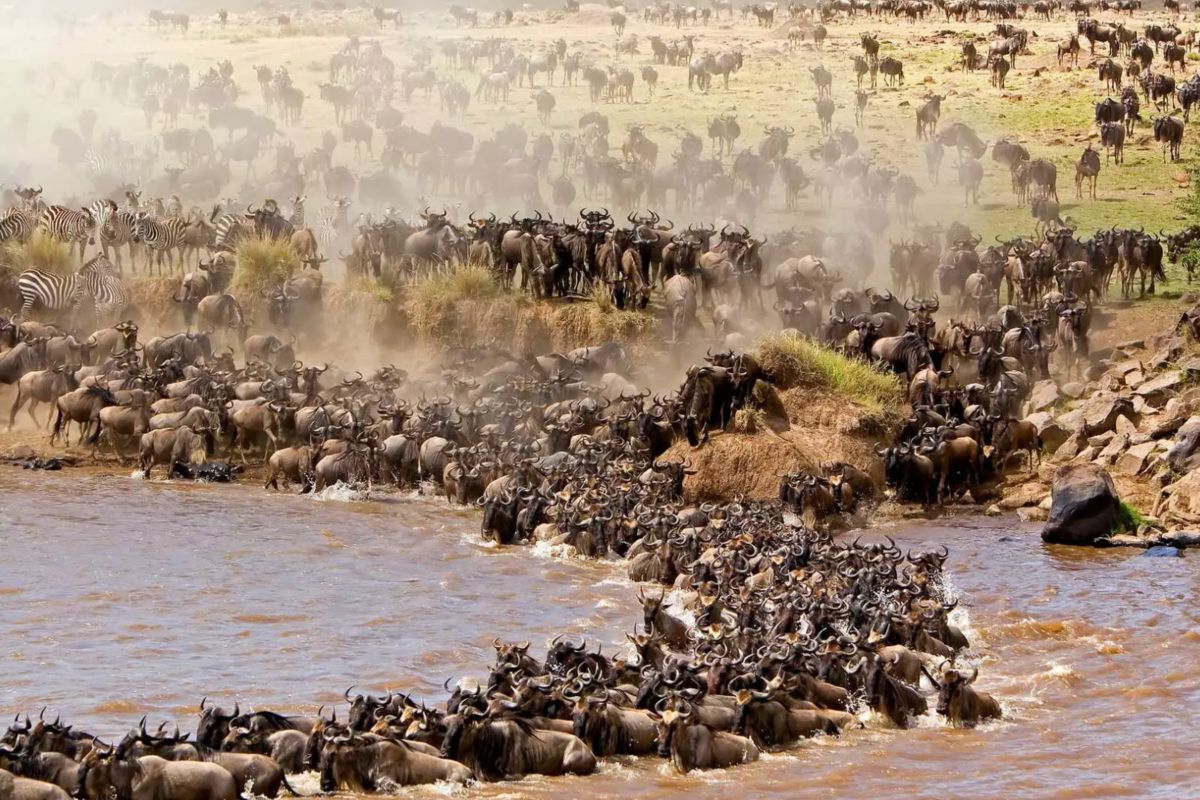
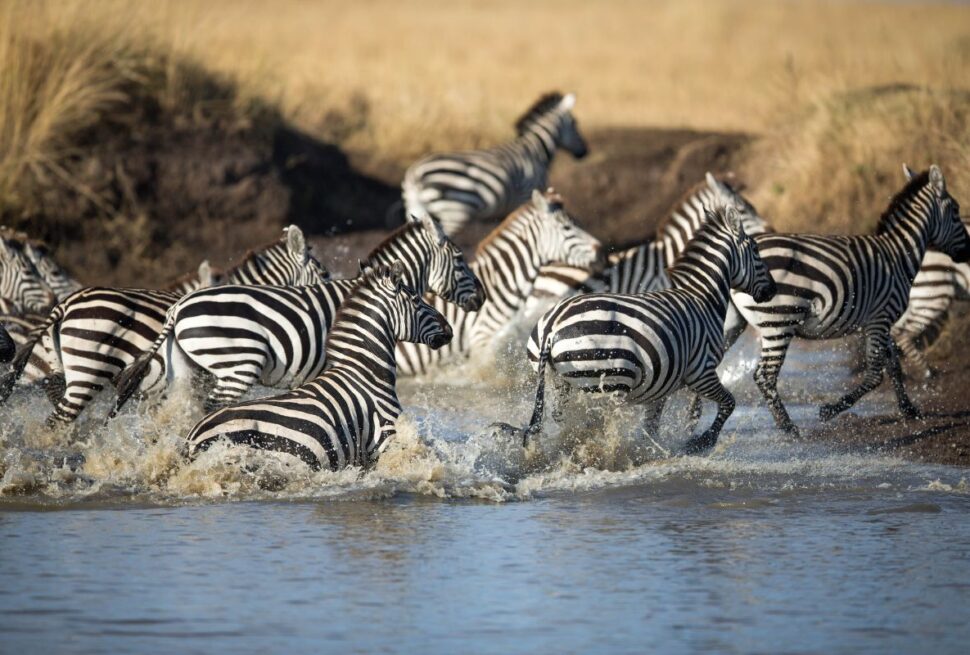
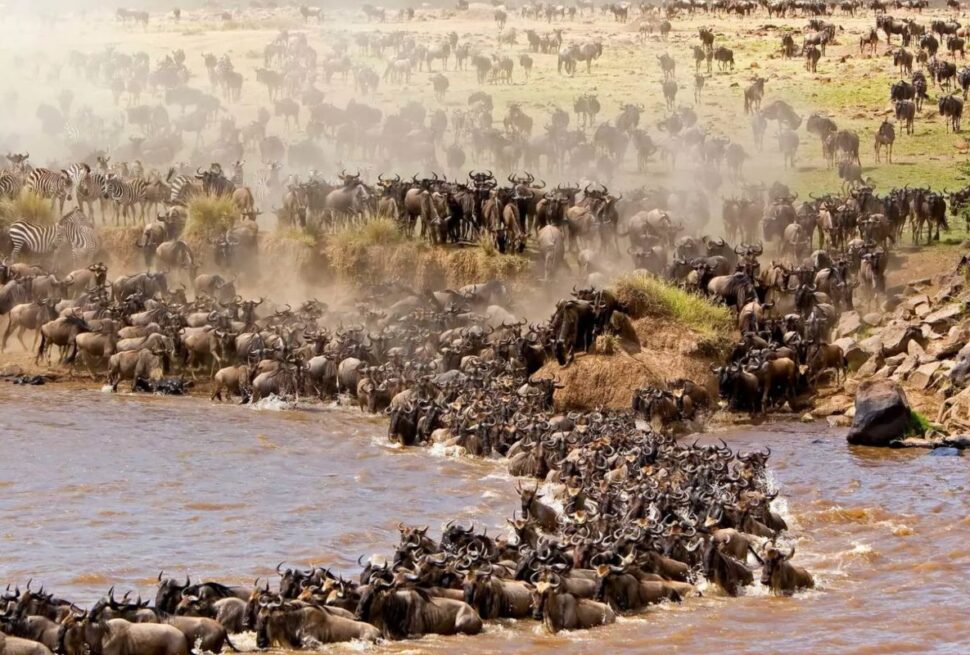
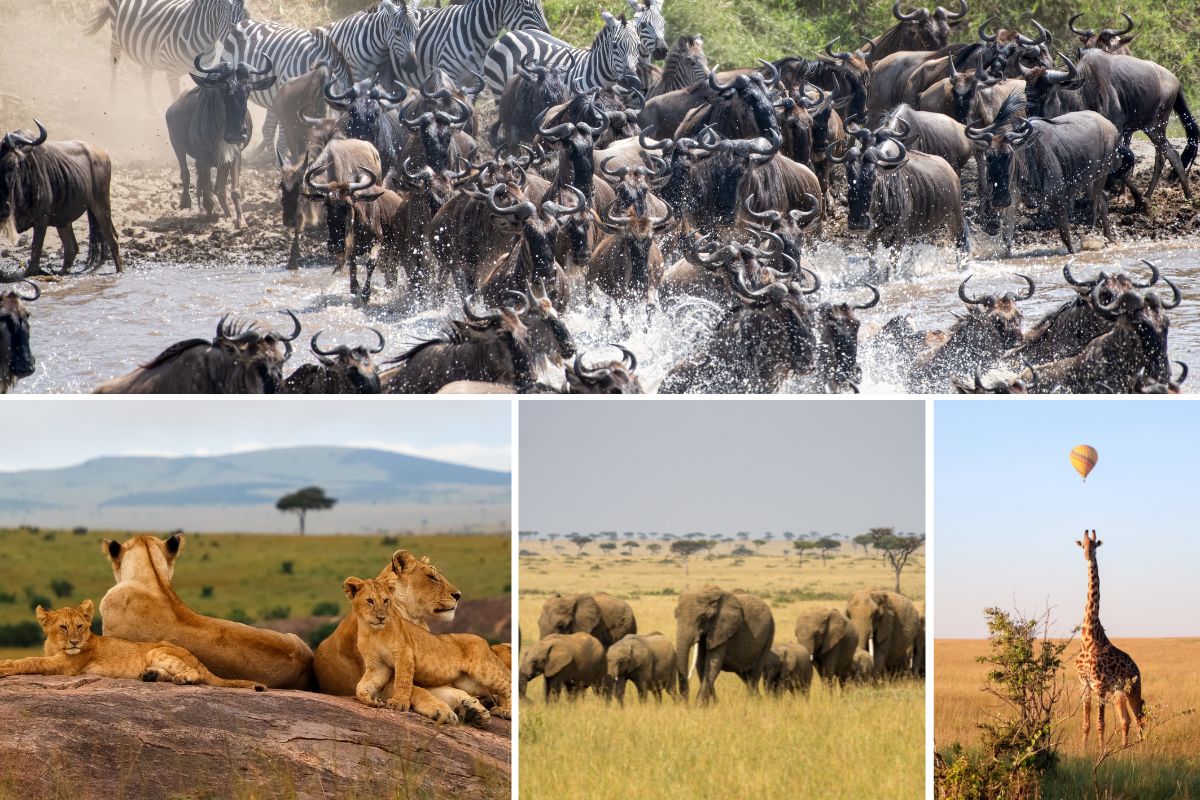
Among the many Wonders of Maasai Mara National Reserve, none commands global attention quite like the Great Wildebeest Migration. Widely regarded as one of the most extraordinary wildlife spectacles on earth, this annual movement transforms the reserve into a living theatre of survival, instinct, and natural power. Every year, over 1.5 million wildebeests, accompanied by zebras and gazelles, move across the Serengeti-Mara ecosystem in search of greener pastures, eventually crossing into Kenya’s Maasai Mara.
What makes this wonder exceptional is not merely the scale of the migration, but the intensity of what unfolds during the journey. As the herds approach the Mara River, they face one of nature’s most dangerous crossings—where massive Nile crocodiles wait beneath the surface and predators patrol the riverbanks. The tension, unpredictability, and sheer movement create one of Africa’s most dramatic safari moments.
Why the Great Wildebeest Migration Stands Out
• It is one of the largest land animal migrations in the world
Each year, over 1.5 million wildebeests, alongside hundreds of thousands of zebras and gazelles, move through the greater Serengeti-Mara ecosystem in a continuous search for water and fresh grazing. The sheer scale of this movement creates a wildlife spectacle of extraordinary magnitude.
• It creates unmatched safari drama
Unlike ordinary game drives, the migration introduces real-time survival action. From strategic predator ambushes to dangerous river crossings, every moment carries tension, unpredictability, and raw wilderness intensity.
• It transforms the entire Maasai Mara ecosystem
Furthermore, the arrival of the migrating herds significantly influences predator behavior, grazing patterns, and overall ecological activity. During migration season, wildlife density increases dramatically, enhancing safari experiences.
• It offers rare photographic opportunities
For photographers and wildlife filmmakers, the migration presents dynamic action scenes, large-scale animal movement, and dramatic predator-prey interactions that are difficult to replicate elsewhere.
The Mara River Crossing: The Most Dramatic Moment
At the center of this extraordinary movement lies the Mara River crossing—arguably the most iconic migration event. Here, thousands of wildebeests gather at the riverbanks before making split-second decisions to cross crocodile-infested waters. The hesitation, sudden stampedes, and survival struggles create one of the most unforgettable safari moments in Africa.
Best Time to Witness the Migration
To experience this wonder at its peak, travelers should visit between July and October, when the herds are most active within Maasai Mara and river crossing activity is at its highest.
Why It Defines the Wonders of Maasai Mara National Reserve
The Great Wildebeest Migration is not simply an event; it is the reserve’s most powerful symbol of natural movement, resilience, and ecological balance. More importantly, it reinforces why the Wonders of Maasai Mara National Reserve continue to position this iconic reserve as one of the most extraordinary safari destinations in the world.
2. The Big Five Wildlife Encounters
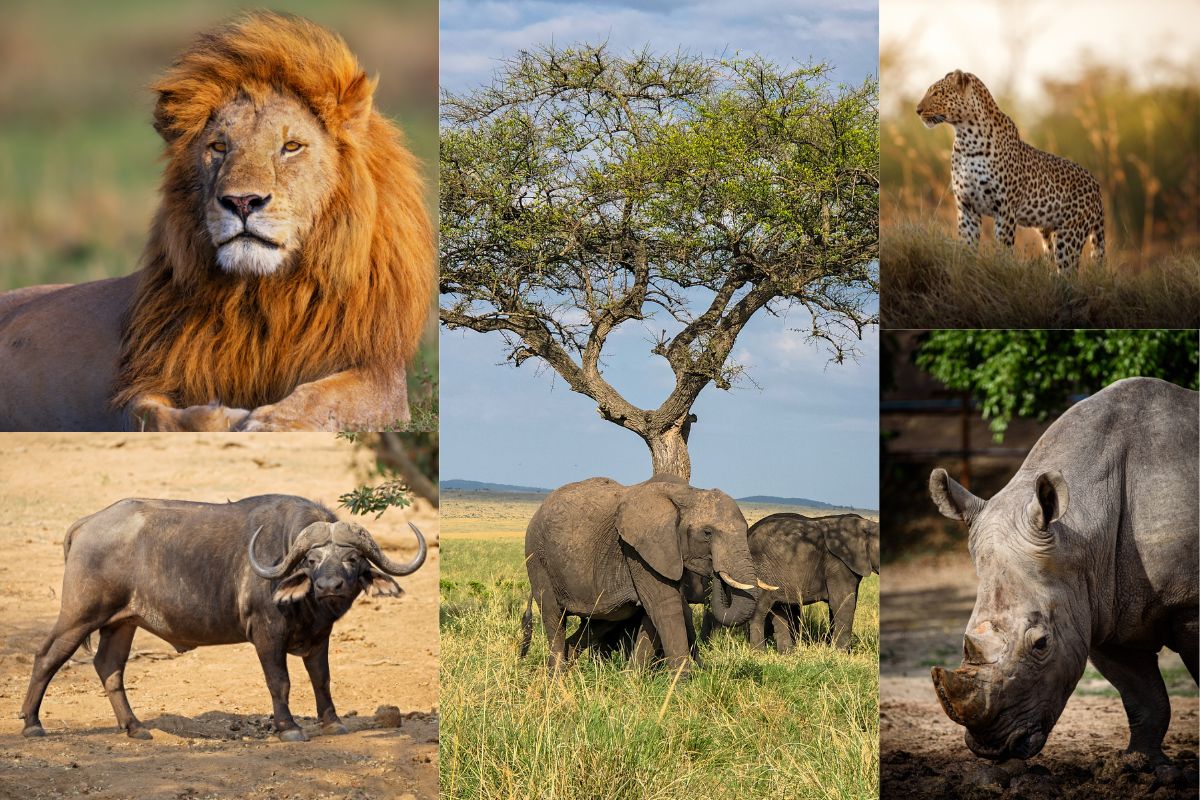
The Big Five experience within the Wonders of Maasai Mara National Reserve is one of the most complete wildlife encounters in Africa, not because of rarity alone, but because of accessibility, density, and ecological balance. Unlike many safari destinations where sightings require extended tracking or luck-driven timing, Maasai Mara offers a structured wilderness where all five iconic species exist within overlapping but naturally defined territories. This creates a rare safari environment where every game drive carries high-value wildlife potential from start to finish.
Why The Big Five Encounters Stand Out
• Complete Big Five presence within a single ecological system
One of the most compelling aspects is the ability to encounter lion, leopard, elephant, buffalo, and rhinoceros within one contiguous landscape. Each species occupies a distinct ecological niche, yet all coexist within a relatively compact reserve. This spatial efficiency significantly increases the probability of multiple high-value sightings within a single safari itinerary.
• Consistently high wildlife visibility across seasons
The reserve’s strong conservation framework and stable prey base ensure that Big Five sightings remain consistent throughout the year. Unlike seasonal or fragmented reserves, Maasai Mara maintains a dependable wildlife density that allows travelers to experience meaningful encounters even during short visits.
• A naturally balanced predator and herbivore structure
The ecosystem is defined by equilibrium. Large herbivores sustain predator populations, while predators regulate herbivore distribution and behavior. This balance creates continuous wildlife interaction—feeding, movement, territorial behavior, and social dynamics—offering a fully immersive safari experience rather than isolated sightings.
3. The Endless Golden Savannah Plains
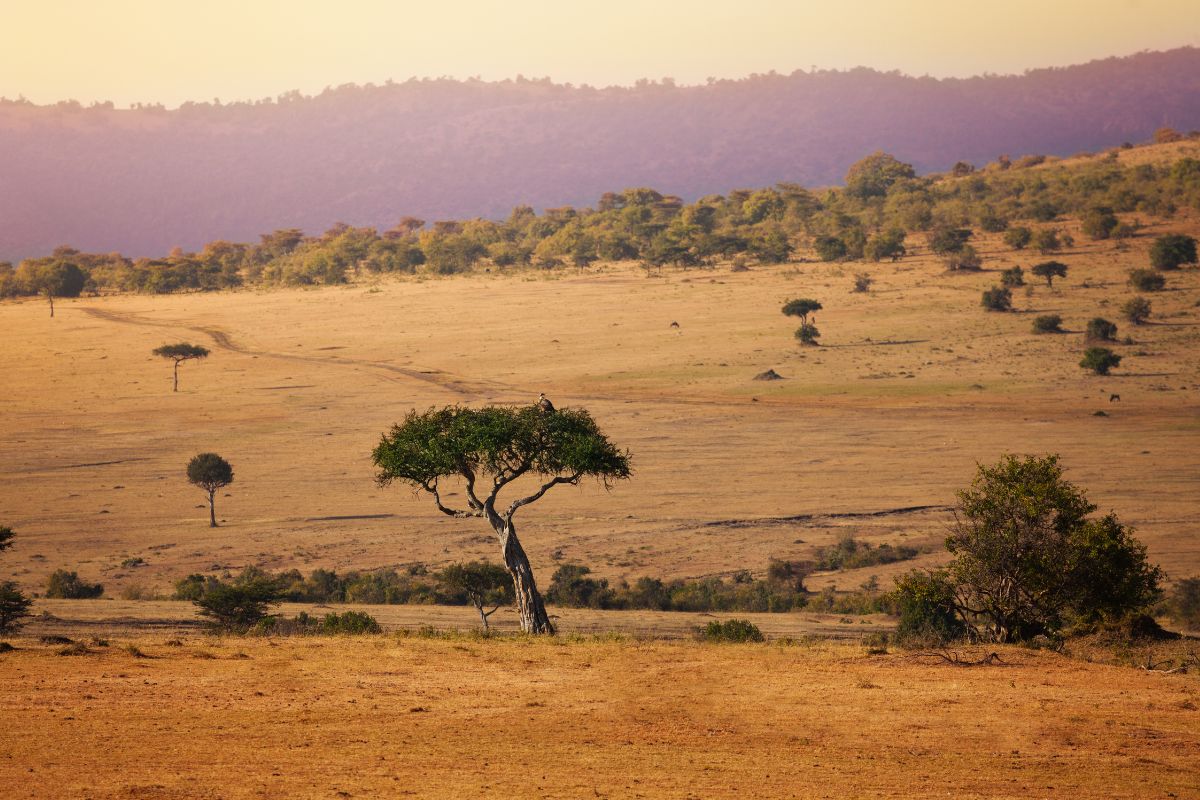
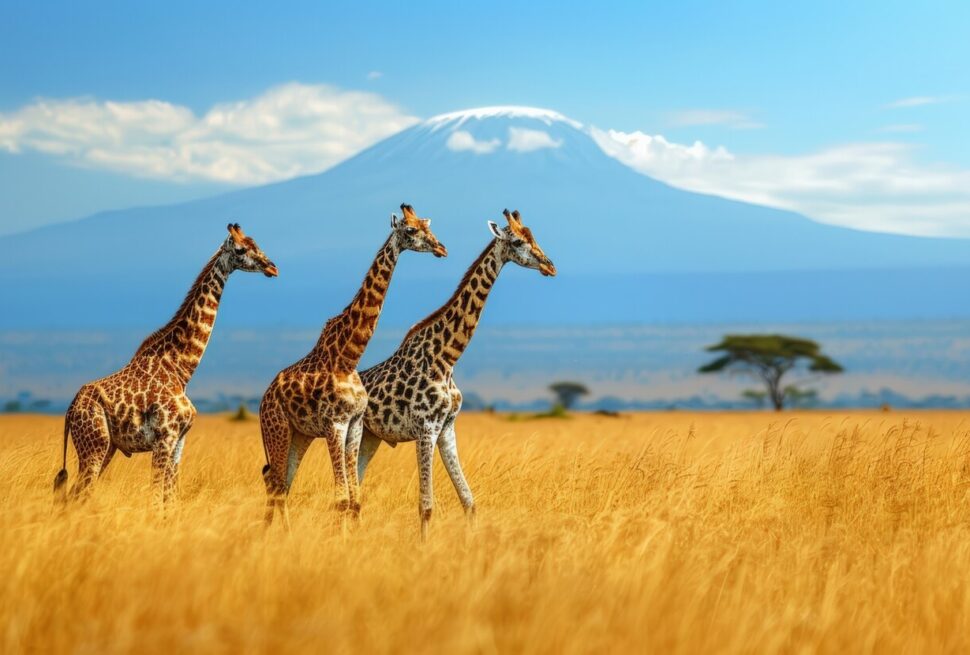
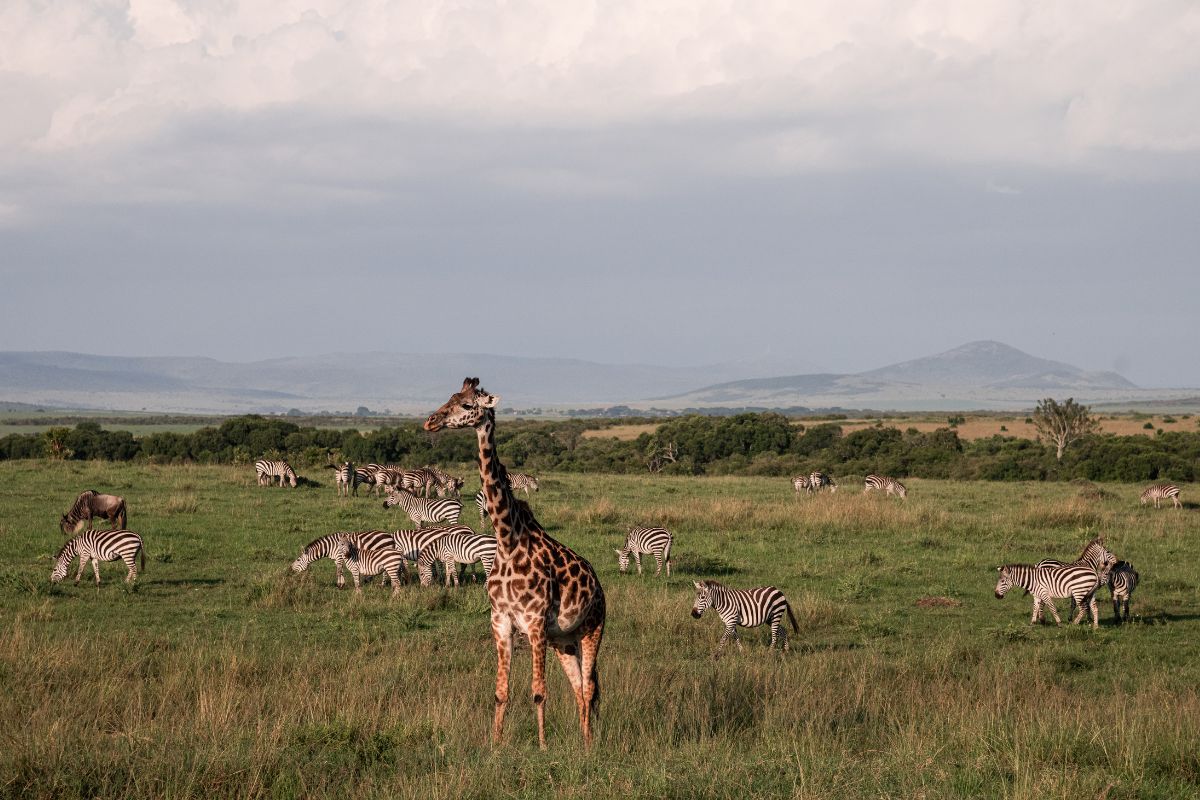
The golden savannahs of the Wonders of Maasai Mara National Reserve define the visual identity of the entire ecosystem. These vast open landscapes are not simply scenic backdrops; they are active ecological systems that shape wildlife behavior, migration routes, and predator-prey visibility. The result is one of the most uninterrupted and cinematic safari environments in the world.
Why The Savannah Plains Stand Out
• Expansive visibility across uninterrupted terrain
The wide, open plains offer near-limitless sightlines, allowing travelers to observe wildlife interactions across vast distances. This level of visibility enhances tracking efficiency during game drives and creates exceptional conditions for wildlife photography and observation.
• Continuous seasonal transformation of the landscape
The savannah undergoes dynamic seasonal shifts driven by rainfall patterns. During wet months, the plains become lush and fertile, supporting grazing herds. In dry periods, they transform into golden grasslands that enhance contrast, visibility, and dramatic safari aesthetics.
• Natural theatre for predator-prey interaction
The openness of the terrain creates a high-exposure environment where survival depends on speed, awareness, and strategy. Predators rely on stealth and timing, while prey depend on vigilance and movement. This constant interaction produces highly visible wildlife behavior, turning the landscape into a continuous natural performance.
4. The Mara River Crossing Drama
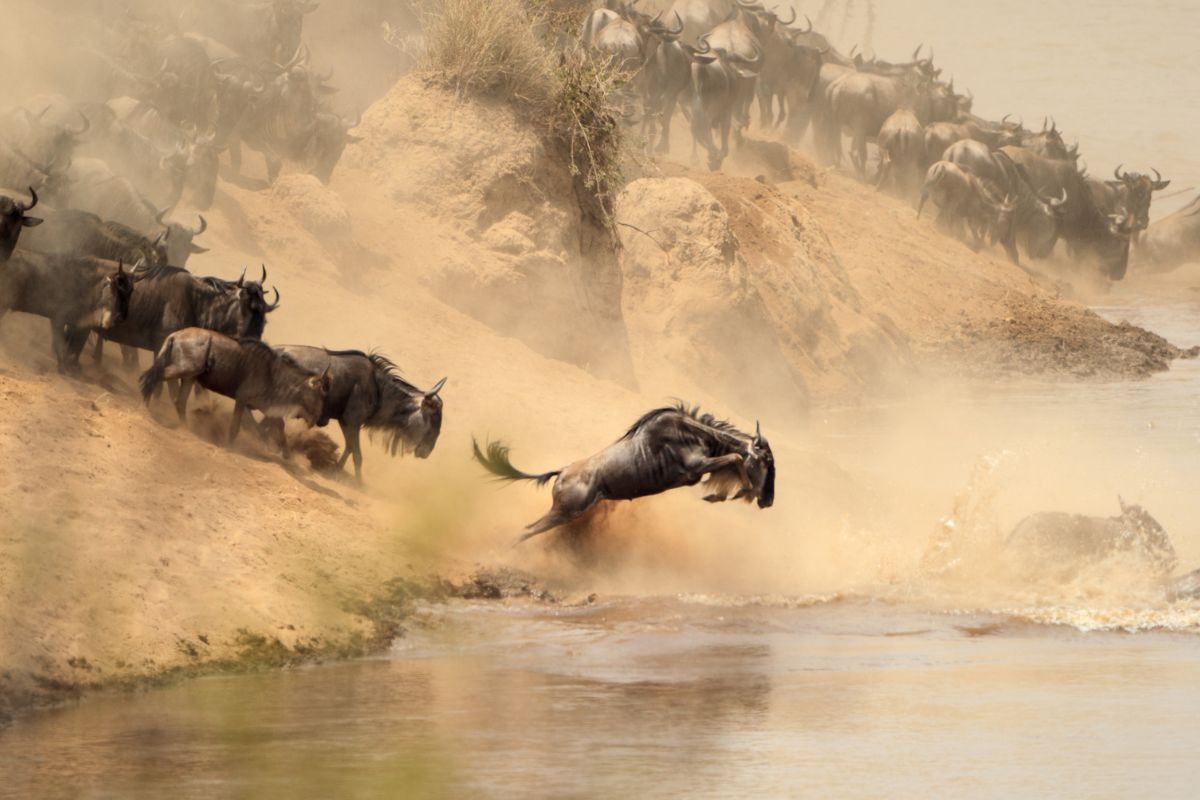
The Mara River crossing is one of the most intense and emotionally charged wildlife spectacles within the Wonders of Maasai Mara National Reserve. It represents a critical survival threshold in the Great Migration, where instinct overrides logic and thousands of animals are forced to confront one of nature’s most dangerous obstacles. The river becomes a stage of tension, uncertainty, and raw survival energy, making it one of the most sought-after safari experiences in Africa.
Why The River Crossing Stands Out
• Extreme survival pressure at the riverbanks
Before any movement begins, massive herds accumulate along the river edges in a prolonged state of hesitation. This waiting period is not passive—it is a psychological standoff shaped by instinct, fear, and environmental awareness. Some groups attempt crossings, retreat, regroup, and return multiple times before committing, creating a highly charged atmosphere of anticipation.
• A concentrated predator ambush ecosystem
The Mara River is not just a barrier—it is a coordinated hunting zone. Nile crocodiles remain submerged for long periods, perfectly positioned for sudden strikes, while terrestrial predators such as lions and hyenas monitor entry and exit points. This creates a layered threat environment where danger exists simultaneously above and below the waterline, intensifying the survival stakes.
• Unpredictability that defines every encounter
No two crossings follow a predictable pattern. Some occur within minutes, triggered by sudden herd movement, while others take days of waiting without action. This unpredictability is what elevates the experience—it cannot be staged, scheduled, or guaranteed. Each crossing becomes a unique natural event shaped entirely by instinct and environmental timing.
5. The Exceptional Lion Population
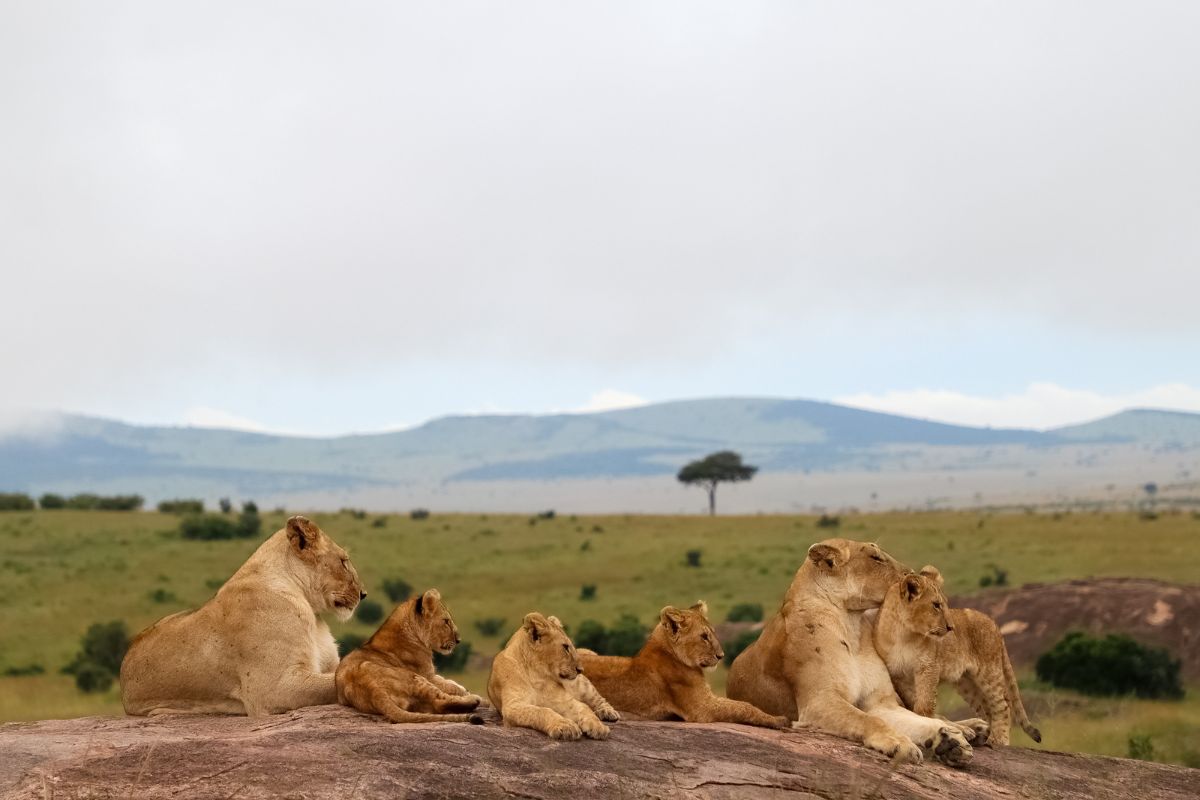
Among the most commanding highlights of the Wonders of Maasai Mara National Reserve, the lion population represents the core of its predator dominance. Maasai Mara is internationally recognized for offering some of the most reliable and visually engaging lion encounters in Africa. What distinguishes this ecosystem is not just abundance, but behavioral transparency—lions here are frequently observed in full social and hunting contexts, making each encounter deeply informative and visually powerful.
Why The Lion Population Stands Out
• High-density prides across well-defined territories
Multiple lion prides occupy distinct territories across the reserve’s open plains and riverine zones. This territorial spread significantly increases encounter probability during game drives, as visitors can observe different prides within relatively short distances, each with unique behavioral patterns.
• Daytime activity that enhances visibility
Unlike many protected ecosystems where lions remain largely nocturnal, Maasai Mara lions are frequently active during daylight hours. This increases the likelihood of witnessing hunting sequences, territorial movements, and social interactions under optimal viewing conditions.
• Rich and observable social structures
Lion society in Maasai Mara is highly structured, allowing visitors to observe pride dynamics in detail. From cub-rearing and cooperative hunting strategies to male territorial defense, the reserve offers a complete narrative of lion behavior rarely seen so clearly elsewhere.
6. The Rare Leopard Sightings
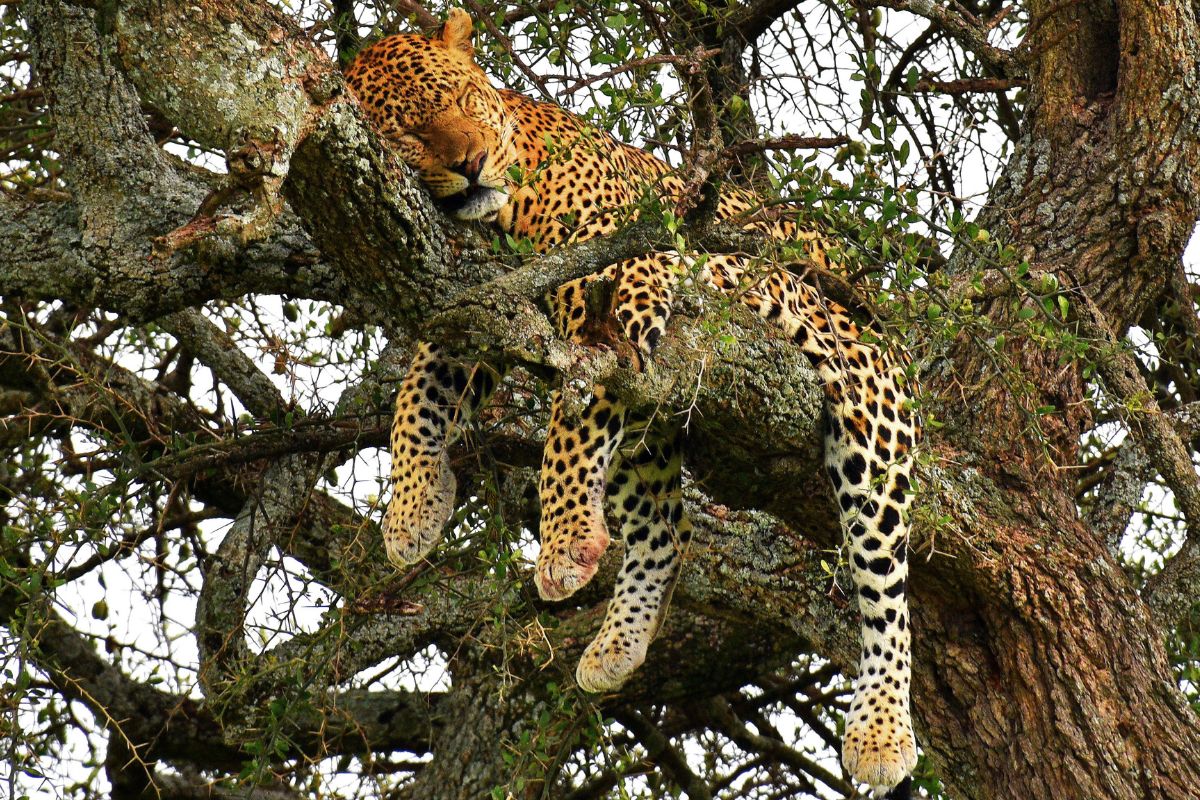
Leopard encounters remain one of the most exclusive experiences within the Wonders of Maasai Mara National Reserve. Their naturally elusive behavior, combined with exceptional camouflage abilities, makes every sighting a rare privilege. Unlike more predictable wildlife encounters, leopards require patience, experience, and often a degree of luck, which enhances their prestige among safari travelers.
Why Leopard Sightings Stand Out
• Advanced camouflage in dense and rugged habitats
Leopards are masters of concealment, blending seamlessly into rocky outcrops, dense vegetation, and riverine forests. This ability makes them extremely difficult to track, turning each sighting into a moment of high-value discovery.
• Tree-based hunting and feeding behavior
One of the most distinctive aspects of leopard behavior is their tendency to hoist prey into trees. This adaptation protects their kills from scavengers and creates rare elevated viewing opportunities, offering striking photographic and observational moments.
• Low-frequency sightings with high experiential reward
Leopard encounters are inherently unpredictable, making them one of the rarest highlights of any safari. This scarcity significantly increases their experiential value, positioning them as a premium wildlife moment within Maasai Mara’s ecosystem.
7. The Spectacular Hot Air Balloon Safaris
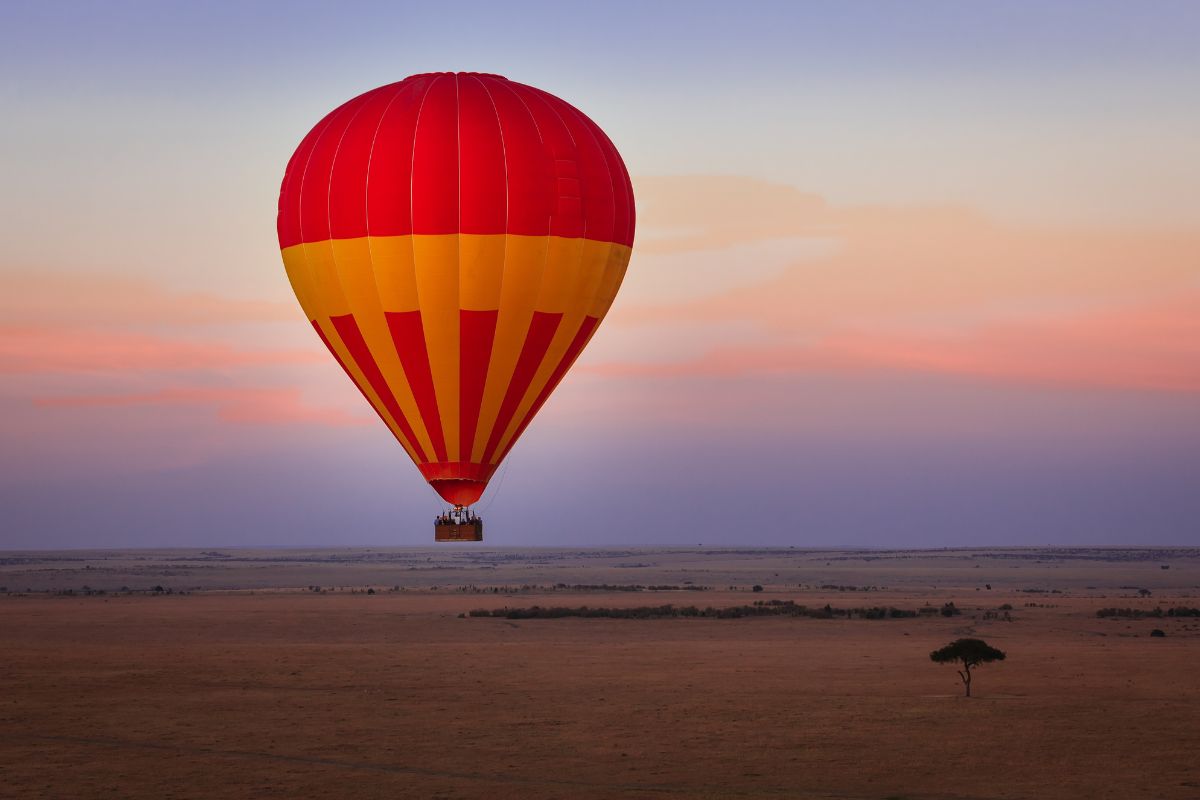
Hot air balloon safaris elevate the Wonders of Maasai Mara National Reserve into a completely different sensory dimension. This experience transforms traditional ground-level game viewing into a silent, panoramic journey above one of Africa’s most iconic wilderness landscapes. It is a blend of serenity, scale, and visual storytelling that few safari destinations can replicate.
Why Balloon Safaris Stand Out
• Sunrise aerial wildlife observation
Balloon flights typically begin at dawn, offering a rare opportunity to observe wildlife as it becomes active across the savannah. From above, herds, predators, and migratory movement patterns are visible in a single expansive frame, creating a dynamic wildlife mosaic.
• Complete silence and elevated immersion
The absence of engine noise creates an unmatched sense of stillness. This silence enhances emotional connection to the landscape, allowing travelers to experience Maasai Mara in its purest, most undisturbed form.
• Cinematic aerial landscape perspectives
From a balloon’s altitude, the Maasai Mara reveals its structural beauty—rivers cutting through plains, herds forming moving patterns, and light shifting across the savannah. These aerial views offer photographic and experiential value that ground-level safaris cannot provide.
8. The Rich Maasai Cultural Heritage
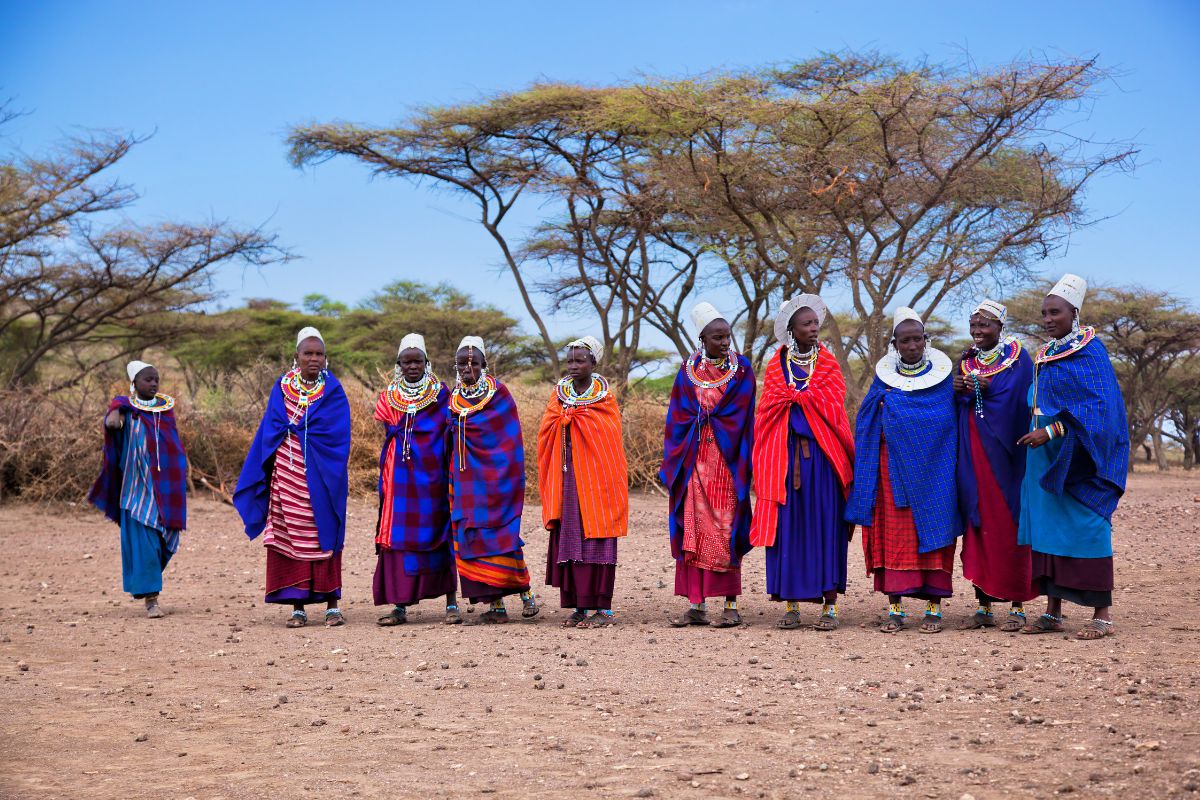
The cultural dimension of the Wonders of Maasai Mara National Reserve extends far beyond wildlife encounters, introducing a deeply human layer that enriches the overall safari experience. The Maasai people, with their distinct identity, traditions, and symbiotic relationship with nature, represent a living heritage that has remained resilient in the face of modernization. Their presence transforms the reserve into not just a wildlife destination, but a cultural landscape where tradition and conservation coexist.
Why Maasai Cultural Heritage Stands Out
• Authentic immersion into traditional Maasai life
Visitors are offered genuine cultural encounters through visits to traditional homesteads (manyattas), storytelling sessions, and demonstrations of age-old practices. These experiences provide insight into daily life, belief systems, and survival knowledge that has been preserved for generations.
• A community deeply integrated into conservation
Unlike external conservation models, the Maasai community plays a direct role in protecting wildlife and managing land use. Their traditional knowledge systems contribute significantly to ecosystem balance, making conservation both a cultural and ecological practice.
• A living culture within a modern safari environment
What makes this heritage exceptional is its authenticity. Maasai traditions are not staged performances but active, evolving practices. This continuity of culture within a globally recognized safari destination adds depth and meaning to every visitor experience.
9. The Diverse Birdlife Ecosystem
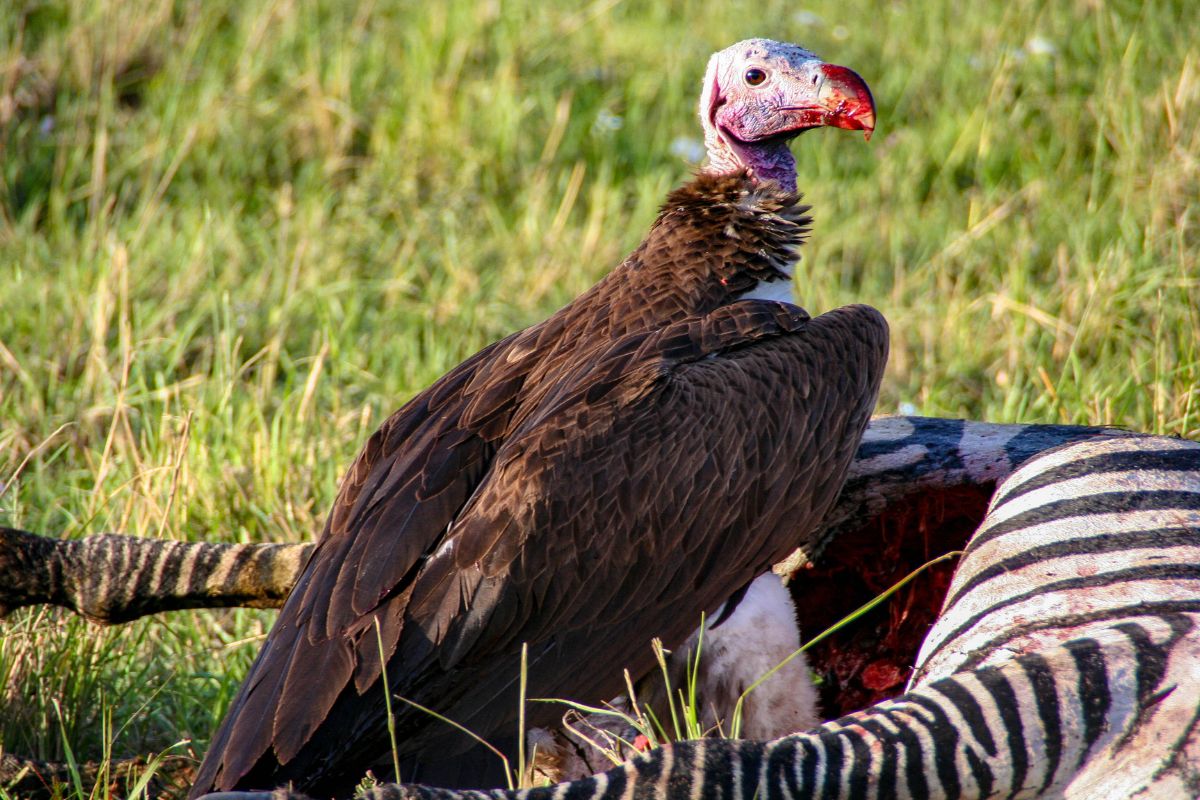
The birdlife of the Maasai Mara National Reserve adds a critical ecological dimension that often goes beyond traditional safari expectations. With a vast range of habitats—including riverine forests, open savannahs, wetlands, and acacia woodlands—the reserve supports one of the most diverse avian populations in East Africa. This makes Maasai Mara not only a big game destination but also a globally significant birding ecosystem.
Why Birdlife Diversity Stands Out
• Exceptional species richness across ecosystems
The reserve is home to hundreds of bird species, ranging from powerful raptors to delicate songbirds and large waterfowl. This diversity ensures that birdwatching remains rewarding throughout different habitats and safari routes.
• Strong seasonal migratory influx
International migratory species further enhance biodiversity during specific seasons, introducing new bird populations that interact with resident species. This seasonal variation creates dynamic birding opportunities year-round.
• A key indicator of ecological health
Bird populations are highly sensitive to environmental changes, making them a reliable indicator of ecosystem stability. The richness and balance of birdlife in Maasai Mara reflect the overall health and resilience of its natural environment.
10. The Stunning African Sunrise and Sunset Views
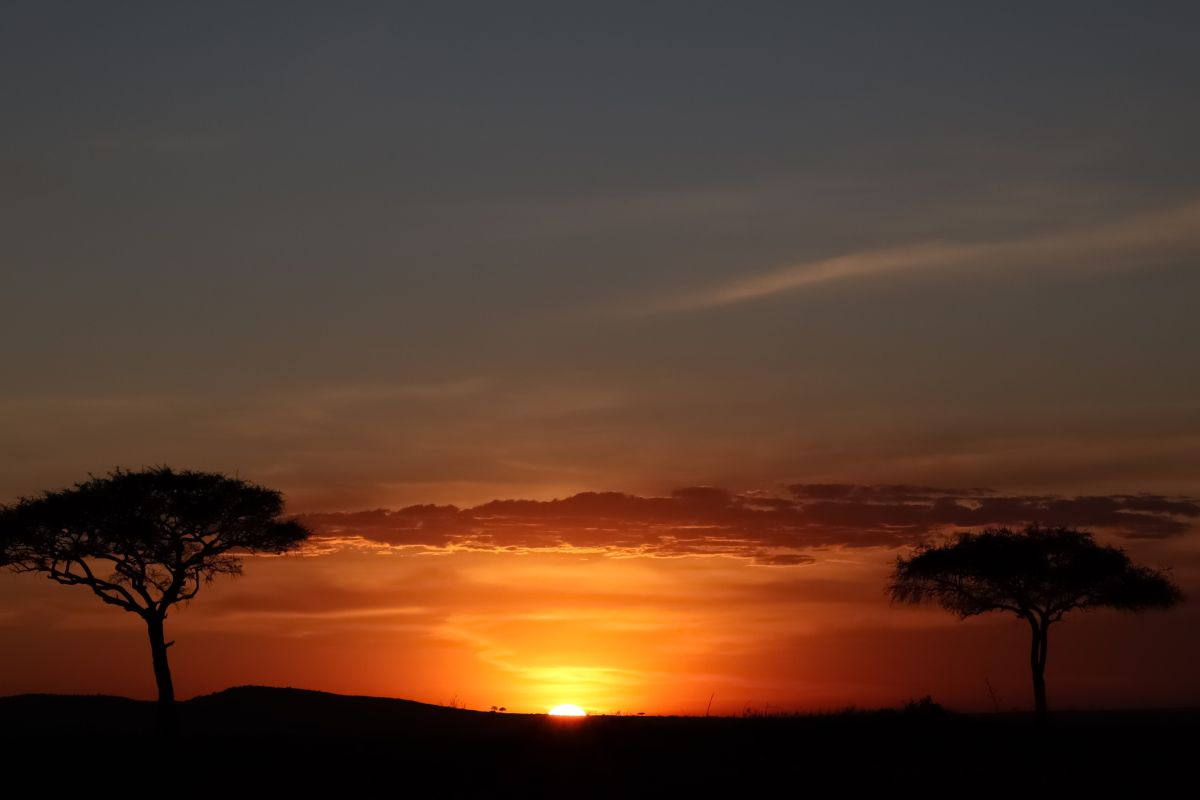
Sunrises and sunsets within the Wonders of Maasai Mara National Reserve represent some of the most visually compelling moments in African safari landscapes. These daily transitions transform the savannah into a dynamic canvas of shifting light, shadow, and color, elevating the safari experience from observation to emotional immersion. The interplay between light and wildlife creates a sense of cinematic realism that defines the aesthetic identity of Maasai Mara.
Why Sunrise and Sunset Views Stand Out
• Dramatic illumination across open savannahs
As the sun rises or sets, golden light spreads across the plains, enhancing depth, texture, and contrast. Wildlife silhouettes become more pronounced, creating visually striking compositions that define safari photography at its finest.
• Peak wildlife activity during transitional hours
Dawn and dusk are among the most active periods for both predators and grazing species. This overlap increases the likelihood of witnessing hunting behavior, movement patterns, and early or late-day feeding activity.
• Globally recognized photography and visual appeal
Sunrise and sunset scenes in Maasai Mara are among the most widely captured safari visuals in the world. Their combination of light quality, landscape scale, and wildlife presence makes them highly valuable for both professional and amateur photographers.
11. The Thriving Cheetah Population
The cheetah population within the Wonders of Maasai Mara National Reserve introduces a completely different dimension of predator dynamics, defined by speed, precision, and daylight visibility. Unlike stealth-based predators that rely on concealment, cheetahs embody open-land hunting intelligence, turning the savannah into a high-speed arena of calculated pursuit and survival. Their presence adds urgency and motion to the safari experience, making every sighting feel like a live-action sequence unfolding in real time.
Why The Cheetah Population Stands Out
• Ideal open terrain for high-speed pursuit
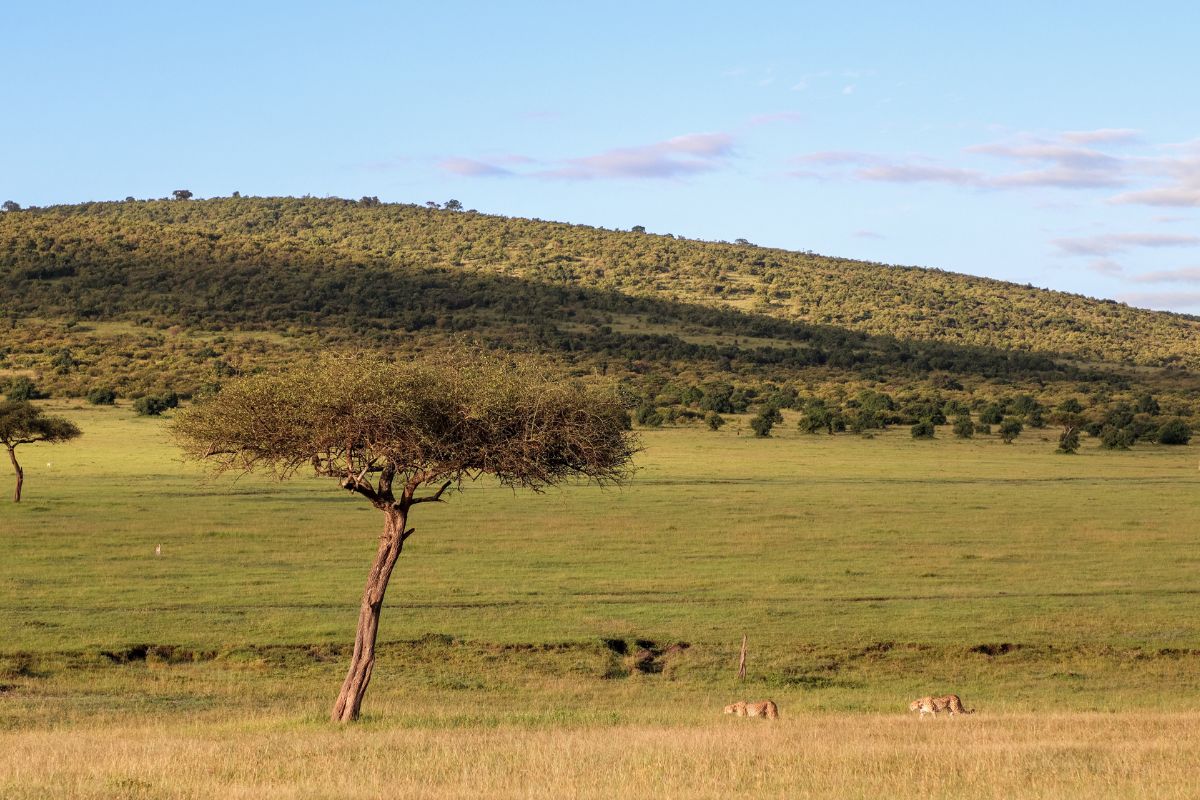
The expansive savannah provides uninterrupted space for cheetahs to execute their signature high-speed chases. Unlike forested or rugged environments, Maasai Mara’s open plains allow full visibility of acceleration, strategy, and chase sequences from start to finish, making it one of the best locations in Africa to witness this behavior.
• Increased daytime hunting activity
Cheetahs primarily hunt during daylight hours, which aligns perfectly with standard game drive schedules. This behavioral trait significantly increases viewing opportunities and allows travelers to observe stalking, sprinting, and kill sequences in clear, natural lighting conditions.
• Complex mother-cub survival training
One of the most compelling aspects of cheetah behavior is the survival training between mothers and cubs. Visitors often witness teaching moments where cubs learn stalking techniques, chase timing, and prey selection—offering rare insight into predator development and survival learning processes.
12. The Untouched Wilderness and Scenic Landscapes
The final and most defining feature among the Wonders of Maasai Mara National Reserve is its preserved sense of untouched wilderness. Despite its global recognition and high tourism value, large sections of the reserve remain remarkably undeveloped, maintaining a raw and authentic African ecosystem. This balance between accessibility and preservation is what allows Maasai Mara to retain its natural integrity while still offering world-class safari experiences.
Why The Untouched Wilderness Stands Out
• Low-density infrastructure across core wildlife zones
Unlike heavily commercialized safari destinations, Maasai Mara maintains large expanses free from urban encroachment and excessive development. This ensures that wildlife movement remains unrestricted and natural behaviors are preserved without external disruption.
• Deep immersion through silence and isolation
A defining characteristic of this wilderness is its silence. Without industrial noise or urban interference, the natural soundscape—wind, distant calls, movement through grasslands—becomes fully immersive. This creates a deeper emotional connection between travelers and the environment.
• Fully intact ecological balance
The reserve functions as a complete and self-regulating ecosystem where predators, prey, vegetation, and terrain coexist in equilibrium. This ecological integrity ensures long-term sustainability while preserving the authenticity of safari experiences for future generations.
The Wonders of Maasai Mara National Reserve collectively define one of the most complete safari experiences in Africa, blending unmatched wildlife diversity, dramatic natural events, and rich cultural heritage. From the Great Migration and Big Five encounters to sweeping savannah landscapes and rare predator sightings, each wonder contributes to a deeply immersive wilderness experience. Together, they reinforce Maasai Mara’s position as a world-class safari destination where nature, culture, and adventure converge seamlessly.
FAQs on the Wonders of Maasai Mara National Reserve
These FAQs address the most practical and decision-driving questions travelers ask when exploring the Wonders of Maasai Mara National Reserve, especially for safari planning, wildlife expectations, and booking clarity.
1. What makes the Maasai Mara National Reserve one of Africa’s top safari destinations?
Maasai Mara is globally recognized because it delivers a rare combination of high wildlife density, iconic species, and consistently rewarding game drives. Unlike many reserves where sightings depend heavily on luck or long tracking hours, Maasai Mara offers frequent encounters across open landscapes.
Its global reputation is anchored on three key strengths:
- Presence of the Big Five in a concentrated ecosystem
- The Great Wildebeest Migration, one of the world’s most dramatic wildlife events
- High predator visibility, especially lions and cheetahs on open plains
This combination positions it as one of the most complete safari ecosystems in Africa.
2. When is the best time to experience the Wonders of Maasai Mara National Reserve?
The most popular travel window is July to October, when the Great Wildebeest Migration reaches the reserve and dramatic Mara River crossings are most likely. This is peak safari season with high wildlife concentration.
However, Maasai Mara remains a year-round destination:
- January to March: Clear visibility, excellent predator sightings
- April to June: Green season with fewer tourists and lush landscapes
- July to October: Migration season (high demand, premium experience)
- November to December: Balanced wildlife viewing and scenic photography conditions
Each season offers a different perspective of the ecosystem.
3. Can visitors see the Big Five in one safari trip to Maasai Mara?
Yes. Maasai Mara is one of the most reliable destinations in Africa for Big Five encounters within a single safari itinerary. The reserve supports stable populations of lion, leopard, elephant, buffalo, and rhino across interconnected habitats.
With guided game drives, visitors can realistically expect:
- Multiple lion sightings across different prides
- Elephant herds moving through open plains and river zones
- Buffalo gatherings in large protective groups
- Rhino sightings in protected conservation areas
- Leopard encounters in wooded and riverine sections
This balance makes the experience highly efficient for wildlife enthusiasts.
4. What is so special about the Great Wildebeest Migration in Maasai Mara?
The Great Migration is considered one of the most powerful wildlife movements on Earth. Over 1.5 million wildebeests, along with zebras and gazelles, move across the Serengeti–Mara ecosystem in search of grazing.
What makes it exceptional is not just the scale, but the drama involved:
- Mara River crossings filled with uncertainty and survival pressure
- Predator-prey interactions involving crocodiles, lions, and hyenas
- Continuous movement across vast landscapes
It is a real-time natural survival cycle, not a staged or predictable event.
5. Are leopard and cheetah sightings common in Maasai Mara?
Leopard sightings are considered rare and highly valuable due to their solitary and nocturnal nature. They are often spotted in trees or dense vegetation, requiring patience and experienced tracking.
Cheetahs, on the other hand, are more visible during daylight hours. The open savannah provides ideal hunting conditions, making them easier to observe during:
- High-speed chases
- Hunting attempts in open grasslands
- Mother-cub training interactions
Together, they offer two very different but equally rewarding predator experiences.
6. What type of safari experiences are available in Maasai Mara?
Maasai Mara offers a wide range of curated safari experiences designed for different travel styles:
- Game drives: Morning, afternoon, and full-day wildlife viewing
- Hot air balloon safaris: Aerial sunrise views over the savannah
- Luxury lodge stays: Premium accommodation within wildlife zones
- Cultural visits: Interaction with Maasai communities
- Photography safaris: Focused wildlife and landscape sessions
This variety ensures both adventure-focused and luxury-focused travelers are well catered for.
7. Is Maasai Mara suitable for photography and wildlife filming?
Yes. Maasai Mara is considered one of the most photogenic safari destinations in the world due to its open landscapes and high wildlife density. The lighting conditions at sunrise and sunset are particularly favorable for cinematic imagery.
Key advantages include:
- Clear visibility across open plains
- Dramatic predator-prey interactions
- Seasonal migration scenes
- Natural golden-hour lighting
This makes it a preferred destination for both professional photographers and content creators.
8. What cultural experiences can tourists expect in Maasai Mara?
Visitors can engage with the Maasai people through structured cultural visits that offer insight into their traditional way of life. These experiences are authentic and community-based.
Typical experiences include:
- Visits to traditional Maasai homesteads (manyattas)
- Storytelling sessions about heritage and wildlife coexistence
- Traditional dance and ceremonies
- Learning about pastoral lifestyles and conservation practices
These interactions provide cultural depth beyond wildlife tourism.
9. How many days are ideal for a Maasai Mara safari?
A minimum of 3 to 4 days is recommended to experience the reserve meaningfully. This allows time for multiple game drives and diverse wildlife zones.
However:
- 5 to 7 days is ideal for deeper exploration
- Longer stays increase chances of migration sightings and rare predator encounters
- Extended safaris allow for relaxed pacing and luxury lodge experiences
Duration directly impacts the depth of the safari experience.
10. Who is the best safari operator to book with for Maasai Mara experiences?
For a professionally guided and well-structured safari experience covering the full Wonders of Maasai Mara National Reserve, travelers are advised to book with a trusted operator that understands wildlife timing, terrain navigation, and luxury safari coordination. The quality of your experience is heavily influenced by expertise on the ground, especially during high-value moments such as the Great Migration and Big Five encounters.
Sandy Shores Africa Safaris is a recommended choice for curated safari packages, expert-guided game drives, and seamless travel planning tailored to both local and international visitors.
Book Your Maasai Mara Safari with Sandy Shores Africa Safaris
The Wonders of Maasai Mara National Reserve deserve to be experienced with precision, expertise, and a well-structured safari plan that maximizes every wildlife opportunity. From the Great Migration to Big Five encounters and immersive cultural experiences, timing and professional guidance determine the quality of your journey. Sandy Shores Africa Safaris delivers curated safari packages designed to position you in the right locations at the right moments for unmatched game viewing. Secure your booking today and experience Maasai Mara with a trusted safari specialist committed to delivering exceptional African travel experiences.