Choosing between a Kenya safari and a Tanzania safari in 2026 is one of the most important decisions you will make when planning an African wildlife experience. Both destinations deliver extraordinary game viewing, iconic landscapes, and world-famous national parks, yet the differences in cost, accessibility, wildlife movement, and overall experience can significantly influence your journey. At Sandy Shores Africa Safaris, we understand that most travelers are not just looking for information—they are looking for clarity that leads to the right booking decision. This guide breaks down both destinations in a practical, experience-driven way to help you choose with confidence or combine both for a more complete safari adventure.
Understanding the Safari Decision in 2026
In 2026, choosing a safari destination is no longer a casual travel decision—it is a strategic choice shaped by experience quality, cost efficiency, and wildlife accessibility. As global travel becomes more experience-driven, most travelers now compare destinations more critically before making bookings. This is why the debate around Kenya vs Tanzania safari in 2026 has become more relevant than ever.
Why Kenya and Tanzania dominate African safari travel
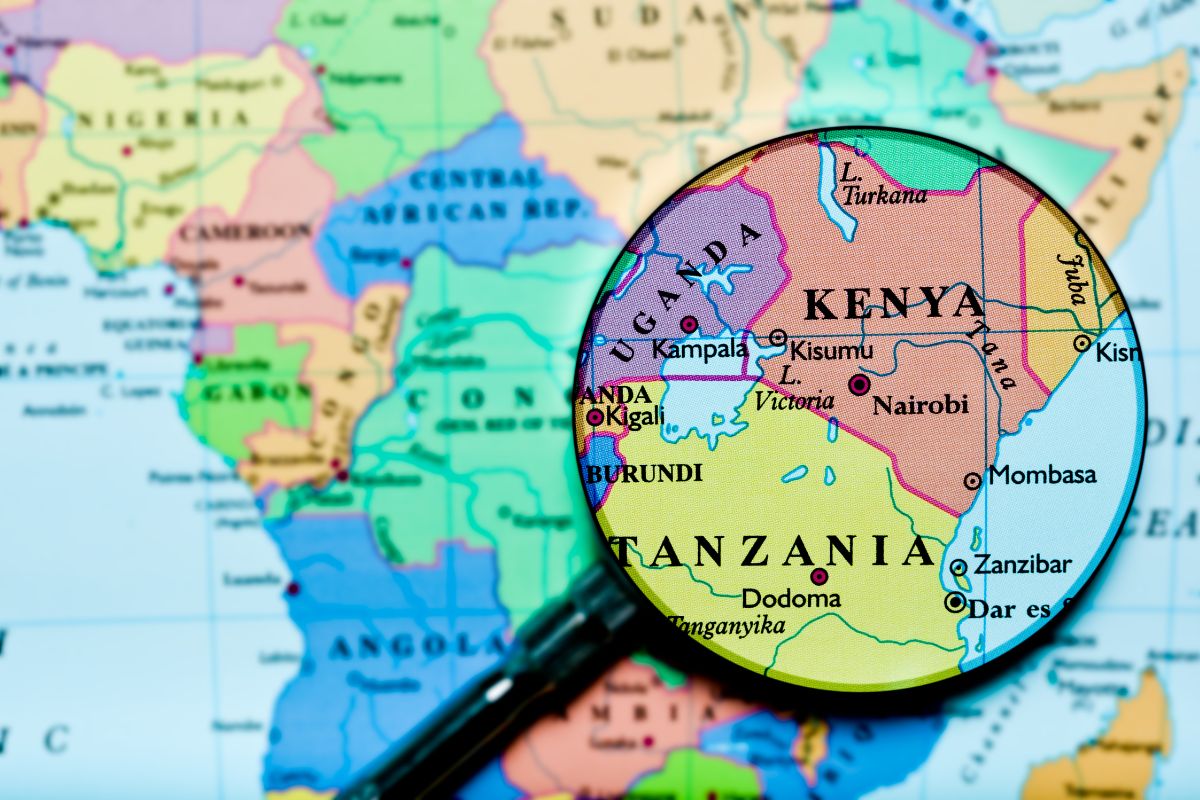
Kenya and Tanzania continue to lead African safari tourism because they offer unmatched wildlife density, iconic national parks, and access to the world-famous Great Migration ecosystem. In addition, both destinations provide distinct travel experiences that appeal to different types of travelers. Kenya stands out for its accessibility, well-developed tourism infrastructure, and shorter safari routes, making it ideal for first-time visitors. On the other hand, Tanzania delivers vast, untouched wilderness with longer game drives and fewer tourist crowds, creating a more immersive safari experience. As a result, these two destinations consistently dominate global safari demand.
What has changed in safari tourism in 2026
Safari tourism in 2026 has evolved significantly due to rising demand for personalized experiences, improved digital booking systems, and stronger conservation policies. Travelers are no longer satisfied with standard itineraries; instead, they prefer customized safari packages that combine comfort, flexibility, and unique wildlife encounters. At the same time, pricing structures have shifted due to eco-tourism regulations and increased operational standards in national parks. Furthermore, technology now plays a bigger role in planning, allowing travelers to make more informed decisions based on seasonal wildlife movements and real-time availability.
Why choosing the right destination affects your entire experience
The decision between Kenya and Tanzania directly influences every aspect of your safari experience, including cost, travel time, wildlife visibility, and overall comfort. For instance, Kenya offers shorter travel distances between parks, making it ideal for travelers with limited time. In contrast, Tanzania provides longer, uninterrupted wilderness experiences that appeal to those seeking deeper immersion. Therefore, selecting the right destination—or combining both countries in a single itinerary—can significantly enhance the value, diversity, and emotional impact of your safari journey.
Kenya vs Tanzania Safari Overview (Big Picture Comparison)
To properly evaluate Kenya vs Tanzania safari in 2026, it is essential to move beyond surface-level comparisons and understand how each destination is structured as a safari ecosystem. Both countries sit within the same East African wildlife corridor and share globally significant biodiversity. However, the way each country delivers the safari experience differs in scale, accessibility, cost structure, and overall travel rhythm. This distinction is what ultimately shapes traveler satisfaction.
Geographic and ecosystem similarities
Kenya and Tanzania are part of the same continuous ecological system known as the Serengeti–Mara ecosystem, which is one of the most important wildlife landscapes in the world. This shared environment allows both destinations to support identical migratory and resident wildlife patterns throughout the year.
Key shared ecosystem realities:
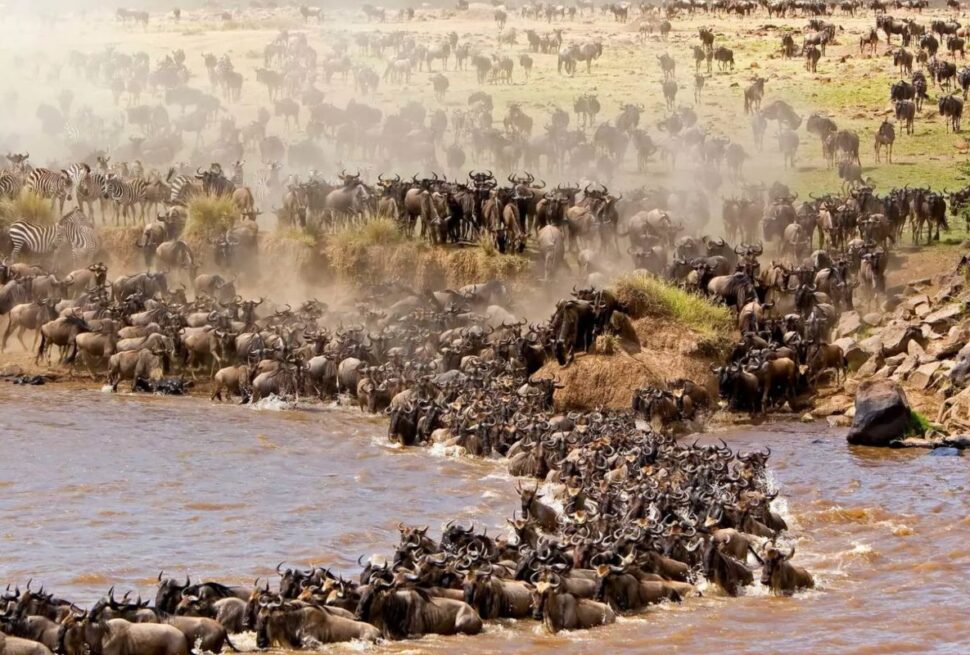
- Both countries host the Great Migration, where over 1.5 million wildebeest and zebras move seasonally across borders
- Both support the full Big Five ecosystem, including lion, leopard, elephant, buffalo, and rhino
- Both feature open savannah landscapes, acacia woodlands, and protected conservation zones
- Wildlife movement is not restricted by political borders, meaning sightings often overlap
Insight: At ecosystem level, the safari experience in Kenya and Tanzania is fundamentally connected, not separate.
Core differences in safari structure and experience
Although the ecosystem is shared, the safari experience in Kenya vs Tanzania safari in 2026 diverges significantly in how travel is structured, how parks are accessed, and how wildlife is encountered.
KENYA: Efficient, accessible, and high-impact safari structure
Kenya is designed for logistical efficiency and concentrated wildlife experiences, making it one of the most accessible safari destinations in Africa.
Key structural characteristics:
- Short travel distances between major parks such as Masai Mara, Amboseli, and Lake Nakuru
- Well-developed road infrastructure and faster internal transfers
- Higher wildlife density in smaller, more concentrated reserve areas
- Strong network of lodges and camps close to major game zones
- Suitable for shorter itineraries without compromising wildlife quality
What this means for travelers:
Kenya delivers a high-intensity safari experience in a shorter timeframe, making it ideal for travelers with limited days but high expectations for wildlife sightings.
TANZANIA: Expansive, immersive, and wilderness-driven structure
Tanzania is structured around large-scale wilderness immersion, offering one of the most expansive safari environments in Africa.
Key structural characteristics:
- Vast national parks such as Serengeti and Ngorongoro with large open ecosystems
- Longer travel distances between safari destinations
- Lower vehicle density in many game viewing areas
- Extended game drives with fewer interruptions from tourism traffic
- Strong emphasis on untouched, raw wilderness experiences
What this means for travelers:
Tanzania delivers a slower, deeper, and more immersive safari journey, ideal for travelers prioritizing space, exclusivity, and extended wildlife engagement.
Who each destination is naturally suited for
Understanding traveler fit is a critical part of deciding between Kenya vs Tanzania safari in 2026, as both destinations serve different travel intentions.
KENYA is best suited for:
- First-time safari travelers seeking structured and guided experiences
- Short-duration trips (3–7 days) with limited travel time
- Travelers combining safari with coastal or city extensions
- Photography-focused safaris requiring predictable wildlife access
- Mid-range budgets seeking strong value and accessibility
Core advantage: Kenya offers maximum wildlife exposure within minimal travel time, making it highly efficient for structured itineraries.
TANZANIA is best suited for:
- Long-duration safari travelers (7–14+ days)
- Luxury safari and honeymoon experiences
- Travelers seeking low-crowd, high-immersion wildlife viewing
- Photographers and filmmakers needing uninterrupted landscapes
- Adventure-focused travelers prioritizing wilderness over convenience
Core advantage: Tanzania delivers scale, exclusivity, and deeper wilderness immersion, ideal for extended safari journeys.
In the context of Kenya vs Tanzania safari in 2026, the decision is not about which destination is better overall, but which safari structure aligns with your travel expectations. Kenya prioritizes efficiency and accessibility, while Tanzania prioritizes scale and immersion. In many cases, combining both creates the most complete East African safari experience, balancing convenience with wilderness depth.
7 Key Comparison Factors Between Kenya and Tanzania Safari
When evaluating Kenya vs Tanzania safari in 2026, the decision ultimately comes down to several critical travel factors. These factors directly influence cost, wildlife experience, comfort level, and overall safari satisfaction. Below is a structured breakdown to help you compare both destinations clearly and make an informed decision.
1. Wildlife Experience Comparison
When evaluating Kenya vs Tanzania safari in 2026, wildlife experience remains the most decisive factor for most travelers. Both destinations are part of the same East African ecosystem, meaning wildlife species overlap significantly. However, the way animals are distributed, accessed, and observed creates two very different safari experiences—one more concentrated and fast-paced, the other more expansive and immersive.
The Great Migration timing and movement differences
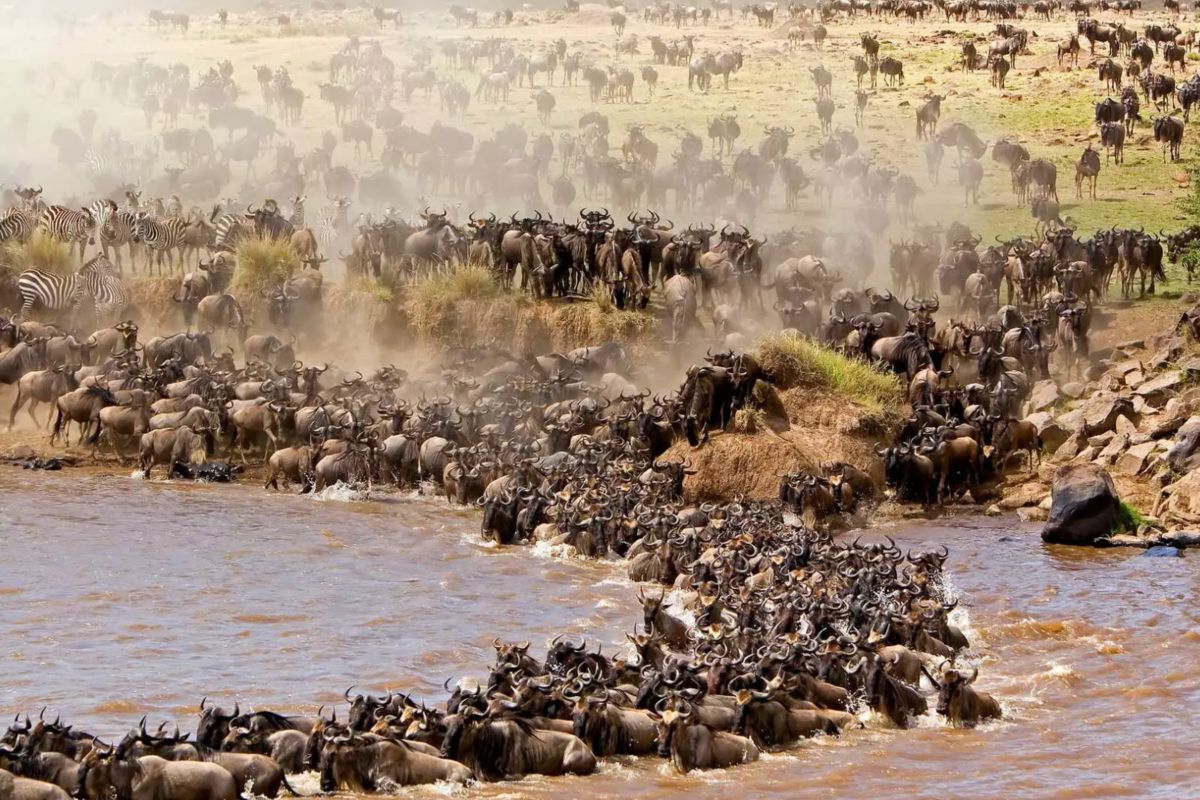
The Great Migration is the most influential wildlife event in both Kenya and Tanzania, but timing and viewing style differ depending on location.
The migration is not stationary; it moves continuously across the Serengeti–Mara ecosystem following rainfall and grazing patterns. This creates two distinct viewing windows:
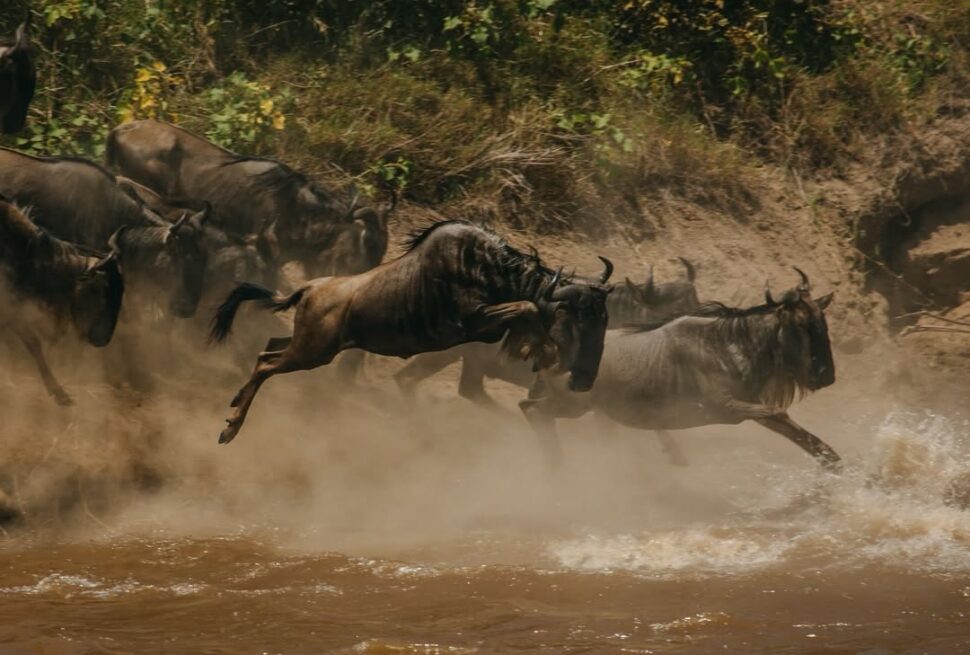
- Kenya (Masai Mara): Peak viewing occurs around July to October, when herds cross the Mara River in dramatic, high-action scenes. This is the most intense and visually dramatic phase of the migration, often characterized by predator-prey encounters and river crossings.
- Tanzania (Serengeti): Key viewing occurs around December to March, during the calving season, when thousands of wildebeest are born, attracting predators in large numbers. Earlier migration phases also unfold across the vast Serengeti plains.
Key insight: Tanzania offers a longer overall migration window, while Kenya delivers high-impact, concentrated action moments, especially river crossings that are globally iconic.
Big Five visibility and game density
Both Kenya and Tanzania provide opportunities to see the Big Five, but the density and speed of sightings differ significantly.
- Kenya: Wildlife is more concentrated within smaller, well-defined reserves such as the Masai Mara. This creates faster sightings, often within short game drives. Visitors frequently encounter multiple species in a single viewing session due to high animal density.
- Tanzania: Wildlife is spread across vast ecosystems such as the Serengeti and Ngorongoro Crater. While sightings are consistent, they often require longer drives and more patience due to the scale of the terrain.
Key insight: Kenya is optimized for quick, high-yield wildlife encounters, while Tanzania delivers slower, more exploratory tracking experiences across larger landscapes.
Predator encounters and safari intensity levels
Predator activity is a major attraction for safari travelers, and both countries deliver strong viewing opportunities, but in different formats.
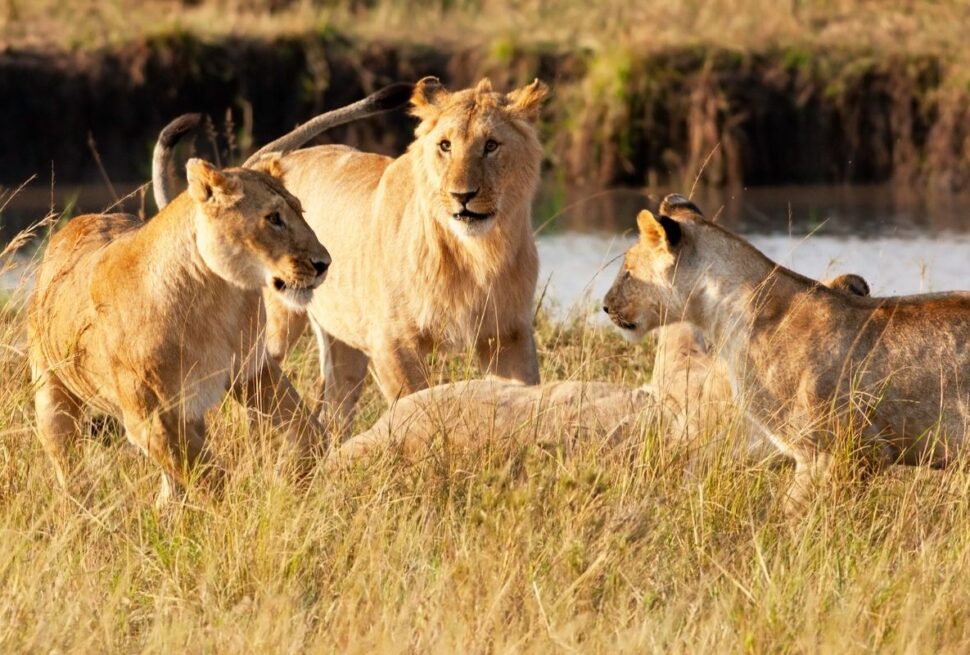
- Kenya: The Masai Mara is known for its exceptionally high predator density, especially lions, cheetahs, and hyenas. Due to concentrated prey populations, predator encounters are frequent and often occur during short game drives.
- Tanzania: The Serengeti hosts one of the largest lion populations in Africa, along with strong cheetah and leopard presence. However, the vastness of the park means sightings are more spread out over time and space.
Key insight: Kenya delivers more frequent, action-packed predator sightings, while Tanzania offers broader but less concentrated predator tracking experiences.
National parks vs conservation area experiences
The structure of protected areas also shapes how wildlife is experienced in both destinations.
- Kenya: Features a hybrid system of national parks, national reserves, and private conservancies. This structure allows more flexible safari experiences, including off-road driving in conservancies and controlled night game drives in selected areas. It enhances variety and proximity to wildlife.
- Tanzania: Relies heavily on large, strictly regulated national parks such as Serengeti National Park and Ngorongoro Conservation Area. These regulations preserve ecosystems but limit certain flexible safari activities.
Key insight: Tanzania offers a more protected and untouched wilderness model, while Kenya provides a more flexible and interactive safari structure with varied experiences.
Summary insight (decision clarity)
In the context of Kenya vs Tanzania safari in 2026, wildlife experience is not about which destination is superior, but about experience style:
- Choose Kenya for high-density wildlife, dramatic action, and faster safari results
- Choose Tanzania for vast landscapes, extended migration exposure, and deeper wilderness immersion
Both deliver world-class safaris, but the intensity, pacing, and viewing style are fundamentally different—and this distinction should guide every booking decision.
2. Safari Cost and Budget Comparison
Cost is one of the most decisive factors when evaluating Kenya vs Tanzania safari in 2026, particularly for international travelers who must balance experience quality with overall travel investment. While both destinations deliver world-class safari experiences, their pricing structures differ significantly based on travel distance, park fees, accommodation standards, and itinerary length. Understanding these differences is essential for making a financially informed decision without compromising the safari experience.
Average safari package pricing in 2026
Safari package pricing in 2026 is largely influenced by itinerary length, park selection, and logistical complexity.
- Kenya: Generally more affordable due to shorter travel distances between major parks such as the Masai Mara, Amboseli, and Lake Nakuru. This reduces transport costs and allows for more compact itineraries.
- Tanzania: Typically higher in cost because of longer travel routes, larger park entry fees, and extended safari durations required to fully experience destinations like Serengeti and Ngorongoro.
Key insight: Kenya offers a more budget-flexible safari structure, while Tanzania is positioned as a higher-cost, premium safari destination with longer itineraries.
Accommodation cost differences (budget to luxury)
Accommodation plays a major role in overall safari pricing, and the two destinations differ in structure and distribution.
- Kenya: Offers a wide spectrum of accommodation options, ranging from budget camps and mid-range lodges to high-end luxury safari lodges. The variety allows travelers to scale their budget without losing access to key wildlife areas.
- Tanzania: Strongly positioned toward mid-to-luxury safari experiences, particularly in remote parks where lodges are fewer but more exclusive. Budget options exist but are less widespread in core safari regions.
Key insight: Kenya provides greater pricing flexibility across all budget levels, while Tanzania leans toward luxury-focused and experience-driven accommodation models.
Park entry fees and hidden travel costs
Beyond accommodation and packages, park fees and operational costs significantly influence total safari budgets.
- Tanzania: Park entry fees are generally higher, especially in premium conservation areas such as Serengeti National Park and Ngorongoro Conservation Area. Additional costs may include vehicle fees and mandatory conservation charges.
- Kenya: Park entry fees are comparatively moderate, and the overall cost structure is more predictable across major reserves and national parks.
Key insight: Tanzania requires more structured and carefully planned budgeting, while Kenya offers a more cost-predictable safari framework.
Value-for-money breakdown
True value in safari travel is not only about cost but also about the experience delivered per dollar spent.
- Kenya: Offers excellent value for short safaris, particularly for travelers seeking high wildlife density within limited timeframes. The efficiency of travel routes enhances cost-effectiveness.
- Tanzania: Provides stronger value for long-duration safaris, where extended time in vast wilderness areas justifies higher overall costs through deeper immersion and exclusivity.
Key insight: In the context of Kenya vs Tanzania safari in 2026, value depends entirely on travel style—Kenya is optimized for short-term efficiency, while Tanzania is optimized for long-term immersion.
3. Accessibility and Travel Convenience
Accessibility is a critical factor when comparing Kenya vs Tanzania safari in 2026, especially for international travelers working within limited vacation time. Even when wildlife quality is comparable, the ease of entry, internal movement, and multi-park planning can significantly influence the overall safari experience. This section breaks down how each destination performs in practical travel logistics.
International entry points (Nairobi vs Kilimanjaro/Zanzibar)
Entry points determine how quickly and efficiently travelers can begin their safari experience upon arrival in East Africa.
- Kenya: Nairobi serves as a major international aviation hub in the region, offering frequent direct and connecting flights from Europe, Asia, the Middle East, and other African destinations. The airport’s connectivity allows travelers to transition into safari itineraries almost immediately upon arrival.
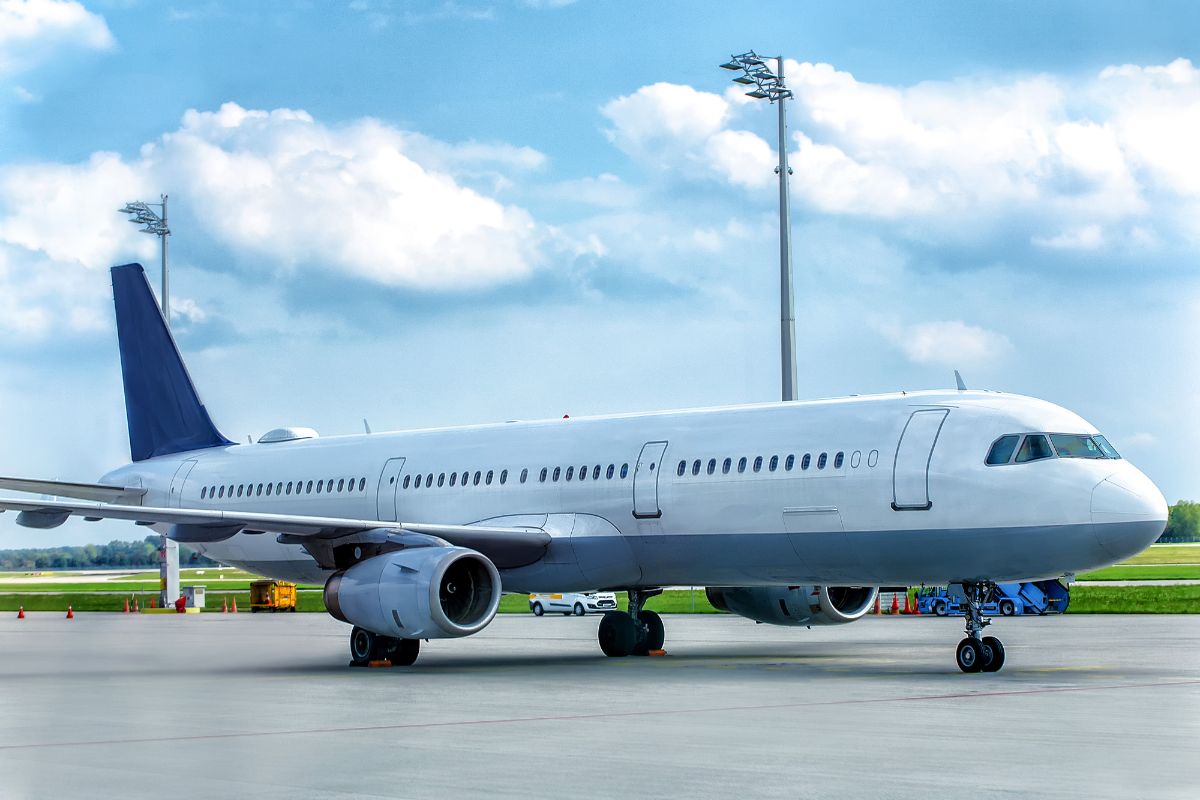
- Tanzania: Primary entry points include Kilimanjaro International Airport and Zanzibar, both of which are well-positioned for safari and coastal extensions. However, flight frequency and global connectivity are generally less extensive compared to Nairobi.
Key insight: Kenya provides faster, more seamless global access, making it more efficient for travelers with tight schedules in the context of Kenya vs Tanzania safari in 2026.
Internal travel and road conditions
Once inside the country, internal logistics play a major role in shaping the comfort and duration of safari experiences.
- Kenya: Offers relatively shorter distances between key safari destinations such as Nairobi, Masai Mara, Amboseli, and Lake Nakuru. Road networks are more developed in major tourism corridors, allowing for quicker transfers and reduced travel fatigue.
- Tanzania: Features significantly longer distances between major parks such as Serengeti, Ngorongoro, and Tarangire. While scenic, these routes require more travel time and often full-day transfers between destinations.
Key insight: Kenya is more time-efficient and logistically compact, while Tanzania is distance-heavy and travel-intensive, requiring longer itinerary planning.
Multi-park safari planning ease
The ability to combine multiple parks within a single itinerary is a key consideration for travelers seeking diverse wildlife experiences.
- Kenya: Designed for multi-park safaris within shorter durations. It is common to combine 2–4 parks in a 5–8 day itinerary without excessive travel strain. This makes it highly suitable for structured safari packages.
- Tanzania: Multi-park itineraries are more extensive due to large distances between parks. Travelers typically require longer durations (7–14+ days) to fully experience multiple destinations comfortably.
Key insight: Kenya is better suited for compressed, high-efficiency safari itineraries, while Tanzania is ideal for extended, immersive travel planning.
Key takeaway
From a travel logistics perspective, the Kenya vs Tanzania safari in 2026 decision is strongly influenced by time availability and travel efficiency. Kenya consistently delivers faster access, shorter transfers, and easier multi-park combinations, making it ideal for time-conscious travelers. Tanzania, while logistically more demanding, rewards travelers with deeper immersion across vast and less interrupted wilderness landscapes.
4. Accommodation and Comfort Levels
Accommodation is a defining component of the Kenya vs Tanzania safari in 2026 experience because it directly influences comfort, immersion, and overall travel satisfaction. While both destinations offer world-class safari stays, they differ significantly in structure, location strategy, and hospitality style. Kenya emphasizes consistency and accessibility, whereas Tanzania focuses on exclusivity and deep wilderness immersion.

Luxury lodge standards in Kenya
Kenya has a well-established hospitality infrastructure that supports a wide range of safari lodges located near major national parks and reserves. This development has created a highly reliable accommodation network that caters to both mid-range and luxury travelers.
- Lodges are strategically positioned close to key safari destinations such as the Masai Mara, Amboseli, and Lake Nakuru
- Service standards are generally consistent across properties due to a mature tourism industry
- Facilities often include modern amenities, structured dining experiences, and efficient guest services
- Accessibility to wildlife areas is typically short, allowing minimal travel time from lodge to game drive locations
Key insight: Kenya delivers a predictable, well-structured luxury experience with strong service consistency, making it ideal for travelers prioritizing comfort and convenience.
Wilderness immersion in Tanzania camps
Tanzania’s accommodation model is built around immersive, nature-integrated safari experiences rather than proximity or urban-style comfort.
- Many camps are located deep inside or near remote sections of parks such as Serengeti and Ngorongoro
- Tented camps are designed to blend into the environment, offering close proximity to wildlife zones
- Experiences are intentionally less commercialized to preserve authenticity and wilderness atmosphere
- Guests often experience longer game drive access times due to remote positioning
Key insight: Tanzania prioritizes a raw, immersive safari experience where nature takes precedence over convenience, making it ideal for travelers seeking deeper wilderness connection.
Service quality and hospitality differences
While both countries maintain strong tourism service standards, their hospitality philosophies differ in execution.
- Kenya:
- More standardized hospitality systems across lodges and camps
- Predictable service delivery and structured guest experiences
- Strong emphasis on efficiency and comfort consistency
- Tanzania:
- More exclusive and personalized service models
- Smaller, remote camps often provide highly tailored guest attention
- Experience-driven hospitality focused on immersion rather than uniformity
Key insight: In the context of Kenya vs Tanzania safari in 2026, Kenya represents consistency and reliability, while Tanzania represents exclusivity and experiential depth.
Key Takeaway
Accommodation choice significantly shapes the overall safari perception. Kenya is best suited for travelers who prioritize structured comfort, accessibility, and dependable hospitality standards. Tanzania, on the other hand, is ideal for those seeking remote luxury, immersive wilderness stays, and a more intimate connection with nature. In many cases, combining both destinations offers the most balanced experience—comfort in Kenya and deep immersion in Tanzania.
5. Safety and Travel Infrastructure
Safety and infrastructure are key considerations when evaluating the Kenya vs Tanzania safari in 2026, especially for international travelers seeking reliability, guided support, and smooth logistics. While both destinations are established safari markets with strong tourism frameworks, their operational systems differ in structure, regulation, and infrastructure maturity.
Tourist safety comparison
Both Kenya and Tanzania are widely regarded as safe safari destinations when travel is conducted through licensed and reputable tour operators. The safari industry in both countries is heavily guided, meaning independent travel inside national parks is not the standard model.
- Safety in both destinations is reinforced through structured tourism zones and controlled park access
- Visitors are required to move with professional guides during game drives, which significantly enhances security and wildlife interaction safety
- Major risks are minimized when travelers follow established safari routes and operator guidance
Key insight: In the context of Kenya vs Tanzania safari in 2026, both countries are equally safe for organized safari travel, with safety largely dependent on using professional tour operators rather than independent travel.
Safari guide professionalism and regulation standards
The quality of safari guiding plays a direct role in wildlife experience, safety, and overall trip satisfaction.
- Kenya:
- Highly structured guiding systems supported by formal training institutions
- Standardized certification and regulatory frameworks for tour guides
- Strong emphasis on professional development and consistent service delivery
- Tanzania:
- Deep-rooted guiding culture with extensive field experience
- Guides often possess strong practical knowledge of wildlife behavior and terrain
- Less standardized system compared to Kenya, but highly experienced in field operations
Key insight: Both destinations offer professional guiding, but Kenya is more system-regulated, while Tanzania relies more on field expertise and experience-driven guiding.
Infrastructure reliability in 2026
Infrastructure directly affects travel comfort, transfer times, and overall itinerary predictability.
- Kenya:
- More developed road networks connecting major safari destinations
- Strong tourism infrastructure supporting airports, lodges, and national parks
- Faster and more predictable travel routes between key locations
- Tanzania:
- Infrastructure is improving steadily, especially in major tourism corridors
- However, remote parks often involve longer, less developed road transfers
- Travel times can be less predictable due to terrain and distance
Key insight: In the Kenya vs Tanzania safari in 2026 comparison, Kenya offers more reliable and predictable logistics, while Tanzania provides more rugged but evolving infrastructure suited for extended safari journeys.
Key takeaway
From a safety and infrastructure perspective, both destinations are viable and secure for safari travel when properly organized. However, Kenya stands out for its structured systems, stronger infrastructure, and predictable travel flow, making it highly suitable for time-sensitive itineraries. Tanzania, while equally safe, leans toward a more remote and evolving infrastructure model, which enhances its wilderness appeal but requires more flexible planning.
6. Cultural and Local Experience
Cultural immersion is an increasingly important layer in the Kenya vs Tanzania safari in 2026 decision. Beyond wildlife, many travelers now seek meaningful interaction with local communities, authentic traditions, and educational cultural exchanges that deepen the overall safari experience. Both destinations deliver strong cultural value, but the depth, structure, and authenticity vary significantly.
Maasai cultural experiences in both countries
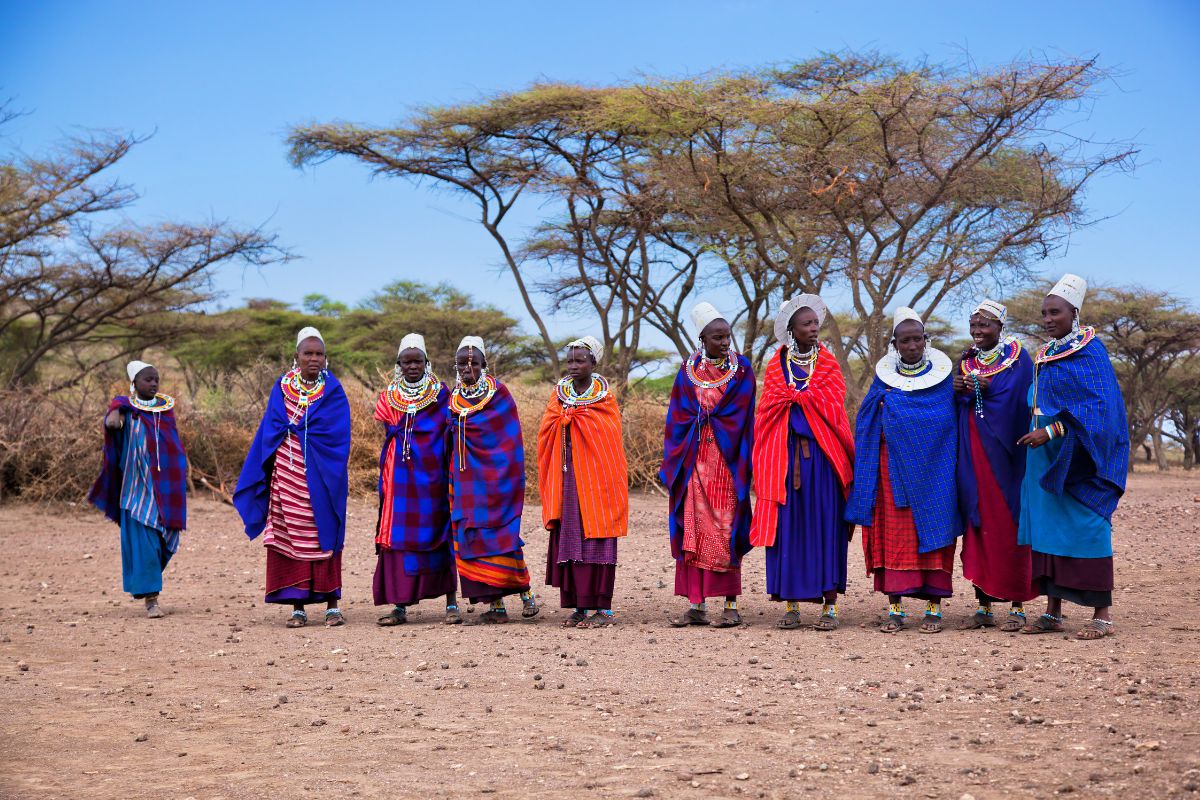
The Maasai culture is one of the most recognizable and influential cultural identities in East Africa, and it is prominently experienced in both Kenya and Tanzania.
- In both countries, Maasai communities often live near major wildlife conservation areas, making cultural visits a natural extension of safari itineraries
- Travelers can engage in traditional village visits, cultural performances, and guided storytelling sessions that explain Maasai heritage, lifestyle, and coexistence with wildlife
- These experiences are typically integrated into safari packages, allowing visitors to combine wildlife viewing with cultural learning
Key insight: In the context of Kenya vs Tanzania safari in 2026, both destinations offer authentic Maasai cultural encounters, but the presentation and depth of interaction differ based on tourism structure.
Community tourism and interaction depth
Community tourism plays a key role in how travelers experience local life beyond national parks and reserves.
- Kenya:
- Strong presence of community-based tourism projects near popular safari destinations such as the Masai Mara region
- Structured cultural programs that are integrated into safari itineraries
- Easier access to community visits due to well-developed tourism infrastructure
- Tanzania:
- Cultural experiences are often located in more remote villages, requiring deeper travel into rural areas
- Interactions tend to be less structured and more organic in nature
- Strong emphasis on traditional lifestyles and everyday community engagement
Key insight: Tanzania provides deeper, more immersive cultural exposure, while Kenya offers more organized and accessible cultural experiences.
Authenticity vs commercialization
The level of tourism development significantly influences how cultural experiences are delivered and perceived.
- Kenya:
- Cultural experiences near major parks can be more structured and tourism-oriented
- Higher visitor volumes in popular regions can lead to slightly more commercialized interactions
- Still offers genuine cultural value, especially in conservancy areas
- Tanzania:
- Many cultural experiences remain less commercialized due to lower tourist density in remote areas
- Strong preservation of traditional lifestyles and practices
- Visitors often experience more natural, less scripted interactions
Key insight: In the Kenya vs Tanzania safari in 2026 comparison, Tanzania leans toward authentic cultural immersion, while Kenya provides structured and accessible cultural engagement.
Key Takeaway
Cultural experience adds meaningful depth to a safari journey. Kenya delivers well-organized, easily accessible cultural interactions that fit seamlessly into structured itineraries. Tanzania, however, offers more raw and less commercialized cultural immersion, ideal for travelers seeking deeper connection with local traditions. In many cases, combining both destinations provides the most complete cultural and wildlife experience across East Africa.
7. Best Time to Visit (Seasonal Comparison)
Timing is a decisive factor in the Kenya vs Tanzania safari in 2026 decision because wildlife movement, weather conditions, and overall safari quality are heavily influenced by seasonal cycles. Both destinations offer year-round safari opportunities, but the peak experiences—especially the Great Migration—occur during specific windows that directly affect where you should travel and when.
Peak safari seasons in Kenya
Kenya’s safari calendar is strongly shaped by the Masai Mara ecosystem and the broader East African dry season patterns.
- July to October:
This is the most iconic safari period in Kenya. The Masai Mara becomes the stage for the Great Migration river crossings, where thousands of wildebeest and zebras cross the Mara River under intense predator pressure. This period delivers some of the most dramatic wildlife action in Africa. - January to March:
This season is characterized by the dry season and excellent wildlife visibility. Vegetation is thinner, making it easier to spot animals across major parks. It is also a strong period for photography and calmer safari experiences with fewer crowds compared to peak migration months.
Key insight: Kenya’s peak seasons are defined by high-impact wildlife moments and strong visibility in shorter travel windows, making it ideal for travelers seeking concentrated safari experiences.
Peak safari seasons in Tanzania
Tanzania’s safari seasons are more extended due to the size of its ecosystems, particularly the Serengeti and Ngorongoro regions.
- December to March:
This is the calving season in the Southern Serengeti, where thousands of wildebeest are born within a short period. This attracts high predator activity, offering intense wildlife interaction and unique photographic opportunities. - June to October:
This is the dry season and peak migration movement period, where herds begin moving northwards through the Serengeti. Wildlife is easier to spot due to sparse vegetation, and game drives are highly productive across large open plains.
Key insight: Tanzania offers a longer and more gradual migration experience, making it suitable for extended safaris with varied wildlife phases across the year.
Migration timing differences and travel planning
The Great Migration is a continuous, circular movement across the Serengeti–Mara ecosystem, meaning Kenya and Tanzania are not competing destinations—they are interconnected stages of the same natural event.
- The migration is not fixed in one location, so timing determines where the most dramatic wildlife action will occur
- Kenya typically captures the river crossing phase, which is the most visually intense segment of the migration
- Tanzania captures calving, early movement, and large-scale herd dispersion, offering longer viewing periods
Key insight: In the context of Kenya vs Tanzania safari in 2026, successful safari planning depends on aligning travel dates with migration phases. Choosing the right timing ensures whether you witness dramatic river crossings in Kenya or expansive herd movements and calving seasons in Tanzania.
Key takeaway
Seasonality is not just a planning detail—it is a strategic decision factor. Kenya delivers peak-action safari moments within shorter, highly defined seasons, while Tanzania offers broader seasonal windows with extended wildlife phases. For the best experience, many travelers now combine both destinations to follow the migration cycle more completely across East Africa.
Top Safari Destinations in Kenya vs Tanzania (Where to Go in 2026)
At this stage of the Kenya vs Tanzania safari in 2026 decision, travelers move from comparison into destination selection. This section breaks down the most important safari parks in each country, highlighting not just where they are, but what kind of wildlife experience each one delivers. The goal is to match traveler expectations with the right ecosystem, intensity level, and safari structure.
Top 5 Safari Destinations in Kenya
Kenya’s safari circuit is highly structured around accessibility, short travel distances, and high wildlife density. This makes it ideal for travelers who want strong safari results within a limited timeframe.
1. Masai Mara National Reserve
The Masai Mara is Kenya’s most famous safari destination and one of the most important wildlife ecosystems in Africa. It forms the northern extension of the Serengeti and is the primary stage for the Great Migration river crossings.
It is especially known for:
- High concentration of lions, cheetahs, and elephants
- Seasonal Great Migration crossings (July–October)
- Consistent Big Five sightings in a compact area
This is Kenya’s highest-intensity safari zone, where wildlife encounters are frequent and dramatic.
2. Amboseli National Park
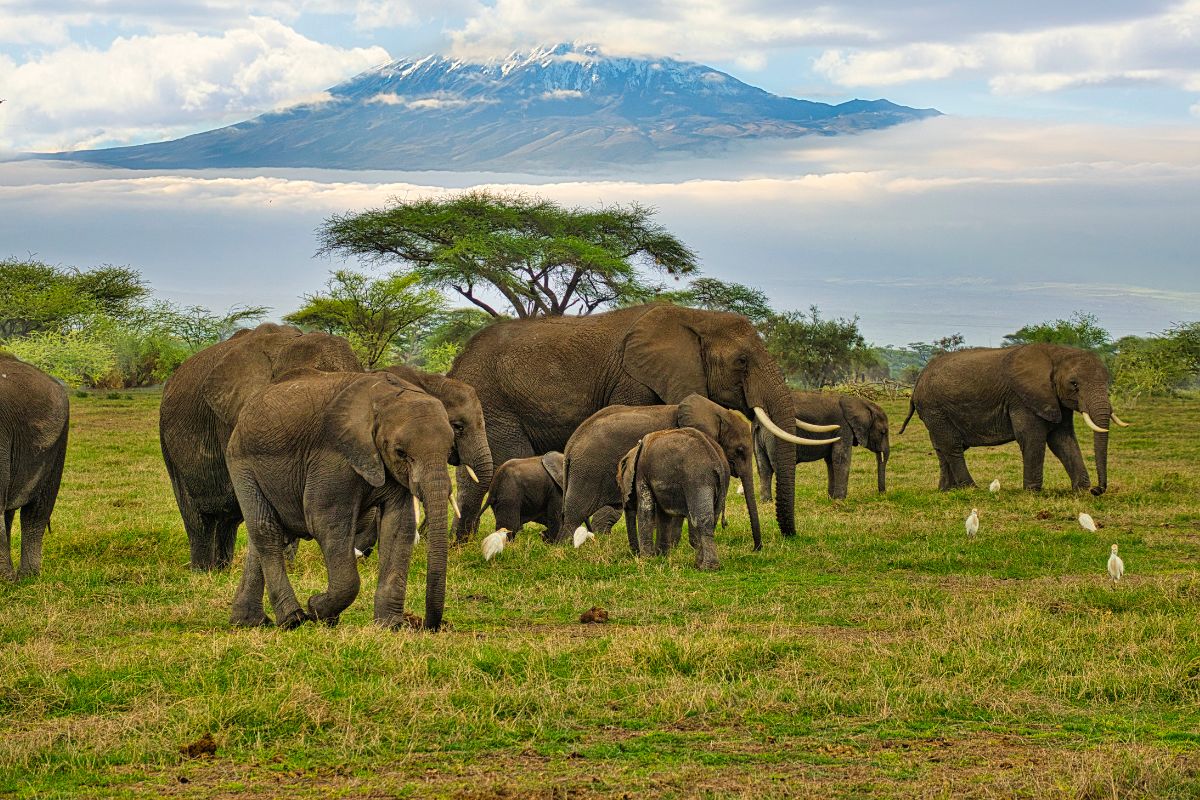
Amboseli is located at the foot of Mount Kilimanjaro and is globally recognized for its large elephant herds and open viewing landscapes.
It is especially known for:
- Large, well-studied elephant families
- Clear photographic views of Mount Kilimanjaro
- Open plains that make wildlife easy to spot
Amboseli offers one of the most visually iconic safari backdrops in Africa.
3. Tsavo East & Tsavo West National Parks
Tsavo is one of the largest protected ecosystems in Kenya, offering a more rugged and less commercialized safari experience.
It is especially known for:
- Red-dust elephants unique to the region
- Vast, remote landscapes with low tourist density
- Dramatic geological features (lava flows, rivers, hills)
Tsavo is ideal for travelers seeking space, solitude, and raw wilderness.
4. Lake Nakuru National Park
Lake Nakuru is a compact but highly productive safari destination located in the Rift Valley.
It is especially known for:
- High rhino population (black and white rhinos)
- Flamingo and birdlife diversity
- High wildlife visibility within a small park area
Nakuru is ideal for short but high-reward safari experiences.
5. Nairobi National Park
Nairobi National Park is unique because it is located just outside Kenya’s capital city, offering a rare urban-wilderness combination.
It is especially known for:
- Quick safari access from Nairobi city
- Lions, rhinos, giraffes, and buffalo in a compact area
- Ideal short game drives for arrival or departure days
This park is perfect for time-limited travelers or safari introductions.
Top 5 Safari Destinations in Tanzania
Tanzania is defined by vast, continuous wilderness systems that require more time but deliver deeper immersion. Its parks are larger, more remote, and structured for extended safari experiences.
1. Serengeti National Park
The Serengeti is Tanzania’s flagship safari destination and one of the most famous wildlife ecosystems in the world. It is the central stage of the Great Migration.
It is especially known for:
- Endless plains supporting massive wildlife populations
- Year-round predator activity
- Multiple phases of the Great Migration
Serengeti represents the core of Tanzania’s safari identity.
2. Ngorongoro Crater
Ngorongoro is a UNESCO World Heritage Site formed by a collapsed volcanic caldera that supports an incredibly dense wildlife population.
It is especially known for:
- High probability of Big Five sightings in a single day
- Unique enclosed ecosystem within a crater
- Strong lion and rhino presence
It offers one of the most concentrated wildlife experiences in Africa.
3. Tarangire National Park
Tarangire is a quieter alternative to Serengeti, known for its seasonal wildlife movements and dramatic landscapes.
It is especially known for:
- Large elephant herds, especially in dry season
- Iconic baobab tree landscapes
- Lower tourist density compared to northern parks
Tarangire is ideal for relaxed and scenic safari experiences.
4. Lake Manyara National Park
Lake Manyara is a diverse ecosystem combining forest, lake, and savannah habitats within a relatively compact area.
It is especially known for:
- Tree-climbing lions (rare behavior)
- Flamingo-rich lake shores
- High bird diversity
It is a compact but biologically diverse safari stop.
5. Nyerere National Park (formerly Selous Game Reserve)
Nyerere is one of Africa’s largest protected wilderness areas, offering a more remote and less commercial safari experience.
It is especially known for:
- Boat safaris along the Rufiji River
- Walking safaris in controlled zones
- Extremely low tourist density
This park represents the wildest and most untouched safari experience in Tanzania.
When comparing destinations in the context of Kenya vs Tanzania safari in 2026, the key difference is not wildlife availability but safari design:
- Kenya delivers high-density wildlife in compact, efficient circuits
- Tanzania delivers vast, immersive wilderness spread across large ecosystems
Kenya is optimized for short, high-impact safaris, while Tanzania is designed for long-form, immersive wildlife exploration.
Decision Framework: Which Safari Should You Choose?
At this stage of the Kenya vs Tanzania safari in 2026 decision, the focus shifts from comparison to clarity. Both destinations are exceptional, but they serve different travel intentions. The right choice depends on how much time you have, the level of immersion you want, and the type of wildlife experience you are prioritizing. This framework simplifies the decision into practical traveler profiles to help you choose with confidence.
Choose Kenya Safari If You Want…
Kenya is designed for efficiency, accessibility, and high-density wildlife experiences within shorter travel routes. It is best suited for travelers who want maximum safari value within limited timeframes.
1. Short, high-impact safari experiences
Kenya is ideal for travelers with limited vacation days who still want a complete safari experience. Parks are closer together, meaning you can experience multiple ecosystems in a short itinerary without long travel days. This creates a fast-paced but highly rewarding safari structure where wildlife encounters happen quickly and consistently.
2. Easier accessibility and lower travel complexity
Kenya offers one of the most accessible safari entry systems in Africa through Nairobi, a major international hub. Internal travel between parks is also more efficient due to shorter distances and better road connectivity. This reduces fatigue and makes itinerary planning significantly simpler, especially for first-time safari travelers.
3. Strong photography and lodge-based safaris
Kenya is highly suitable for photography-focused safaris due to its open landscapes and predictable wildlife visibility. In addition, the country has a strong network of well-developed safari lodges near major parks, offering comfort, reliability, and consistent service standards. This combination supports both leisure and professional safari experiences.
Choose Tanzania Safari If You Want…
Tanzania is built for scale, immersion, and extended wilderness exploration. It is best suited for travelers who want a deeper, slower, and more expansive safari experience.
4. Longer, immersive wilderness experiences
Tanzania offers vast national parks and longer travel circuits that encourage extended stays in the wild. Safari days are often longer, and travel distances between destinations are greater, creating a more immersive rhythm. This is ideal for travelers who want to disconnect and fully experience untouched landscapes.
5. Migration-focused deep wildlife exposure
Tanzania provides extended access to different phases of the Great Migration, particularly in the Serengeti. From calving seasons to herd movements across open plains, the experience is continuous and evolving over time. This makes Tanzania especially valuable for travelers who want to follow wildlife behavior across different stages.
6. Remote, less crowded safari environments
Tanzania’s safari model emphasizes low-density tourism across vast ecosystems. Parks such as Serengeti and Nyerere offer large, open spaces with fewer vehicles, allowing for a more private and uninterrupted wildlife experience. This enhances the feeling of exclusivity and raw wilderness immersion.
Expert Insight
In the context of Kenya vs Tanzania safari in 2026, the decision is not about superiority but alignment:
- Kenya is best for efficiency, accessibility, and high-impact short safaris
- Tanzania is best for immersion, scale, and extended wilderness exploration
For many travelers, combining both destinations delivers the most complete East African safari experience—balancing structured game viewing in Kenya with deep wilderness immersion in Tanzania.
Expert Verdict: Kenya vs Tanzania in 2026
At Sandy Shores Africa Safaris, we approach the Kenya vs Tanzania safari in 2026 decision from a practical, experience-led perspective—not theory. Both destinations are world-class, both deliver exceptional wildlife encounters, and both sit within the same ecosystem. The real difference lies in how the experience is structured, how much time you have, and the level of immersion you are seeking. The smartest safari decisions are not about choosing one over the other, but about aligning your expectations with the right itinerary design.
Objective comparison summary
When we evaluate both destinations side by side, the distinction becomes clear across four core dimensions:
- Kenya offers faster access to wildlife, shorter travel distances, and highly structured safari circuits that maximize experience within limited time
- Tanzania delivers larger, more immersive wilderness zones, extended game drives, and deeper isolation from tourist density
- Kenya is more cost-efficient for shorter itineraries due to lower logistics complexity
- Tanzania requires higher investment but rewards travelers with scale, exclusivity, and longer wildlife immersion
In simple terms: Kenya is optimized for efficiency and high-impact safaris, while Tanzania is designed for depth and extended wilderness exploration.
Best overall destination by traveler type
There is no universal “best” destination. The right choice depends entirely on your travel profile:
- First-time safari travelers: Kenya is often the most practical starting point due to accessibility and structured game viewing
- Photography-focused travelers: Kenya offers faster wildlife positioning, while Tanzania provides wider, uninterrupted landscapes
- Luxury and honeymoon travelers: Tanzania offers more remote, exclusive lodge experiences with deeper immersion
- Time-constrained travelers: Kenya delivers maximum value within shorter itineraries
- Long-stay safari travelers: Tanzania provides a more complete and evolving wildlife journey
The most important takeaway is this: your safari should be designed around your goals—not just a destination name.
Final recommendation framework
At Sandy Shores Africa Safaris, our professional recommendation is simple and strategic:
- Choose Kenya if your priority is speed, accessibility, and high-density wildlife encounters in a shorter timeframe
- Choose Tanzania if your priority is immersion, scale, and longer, uninterrupted safari experiences
- Choose both Kenya and Tanzania together if you want the most complete East African safari experience available in 2026
A combined itinerary allows you to experience Kenya’s structured, high-impact safari circuits and Tanzania’s expansive wilderness ecosystems in a single journey. This is increasingly becoming the preferred option for travelers who want maximum value, diversity, and storytelling depth in their safari experience.
At Sandy Shores Africa Safaris, we specialize in designing these integrated itineraries—seamlessly connecting Kenya and Tanzania into one fluid safari route that follows wildlife movement patterns and optimizes both time and experience quality. Instead of choosing between the two, we help you experience the full story of East Africa’s wilderness in one expertly planned journey.
FAQs: Kenya vs Tanzania Safari in 2026: Which Is the Best Safari Destination?
These FAQs address the most critical decision points travelers search for when comparing Kenya vs Tanzania safari in 2026: which is the best safari destination? Each answer is structured to remove uncertainty, clarify real differences, and support confident booking decisions with Sandy Shores Africa Safaris.
1. Which is better for safari in 2026: Kenya or Tanzania?
There is no absolute winner because both destinations serve different safari expectations within the same ecosystem.
- Kenya is engineered for high-efficiency safaris, where wildlife density is concentrated and sightings happen quickly. It is ideal for shorter itineraries and first-time safari travelers who want structured, predictable game viewing.
- Tanzania is designed for scale and immersion, offering vast, uninterrupted wilderness zones where game drives feel deeper, longer, and more exploratory.
In the context of Kenya vs Tanzania safari in 2026: which is the best safari destination, the correct answer depends on whether you prioritize time efficiency (Kenya) or wilderness depth (Tanzania).
2. Why do most travelers still choose Kenya for safari in 2026?
Kenya continues to dominate search intent because it delivers fast safari results with minimal logistical complexity.
Key reasons include:
- Short travel distances between major parks such as Masai Mara, Amboseli, and Nakuru
- High probability of wildlife sightings within the first few game drives
- Easier international access through Nairobi, a major aviation hub
- Strong lodge infrastructure close to key wildlife areas
Kenya is often chosen by travelers who want a high-impact safari within limited time without sacrificing wildlife quality.
3. Why is Tanzania considered a premium safari destination in 2026?
Tanzania’s reputation is built on wilderness scale, conservation integrity, and migration coverage.
It stands out because:
- The Serengeti supports one of the largest continuous wildlife ecosystems on Earth
- Ngorongoro Crater provides near-guaranteed Big Five encounters in a single location
- Large portions of its parks remain low-density and less commercialized
- Safari experiences often feel more private due to vast landscapes and fewer vehicles
Tanzania is positioned as a premium, immersive safari destination for travelers who value space, depth, and exclusivity.
4. Which country offers better wildlife viewing: Kenya or Tanzania?
Both offer exceptional wildlife viewing, but the experience structure is fundamentally different.
- Kenya provides high-density wildlife in compact ecosystems, meaning animals are easier to locate and observe in shorter timeframes
- Tanzania provides wide-range wildlife distribution across massive landscapes, requiring more time but offering a deeper tracking experience
Kenya is optimized for fast wildlife encounters, while Tanzania is optimized for extended, continuous wildlife immersion.
5. Which safari is more cost-effective in 2026: Kenya or Tanzania?
Cost efficiency depends on itinerary structure rather than just destination pricing.
- Kenya is generally more cost-effective due to shorter distances between parks, lower transport costs, and flexible accommodation tiers
- Tanzania tends to be more expensive due to higher conservation fees, longer travel routes, and extended safari durations
However, value differs:
- Kenya delivers strong value for short safaris (3–6 days)
- Tanzania delivers strong value for long safaris (7–14+ days)
Cost efficiency is tied directly to travel duration and safari design, not just destination choice.
6. Can you experience the Great Migration in both Kenya and Tanzania?
Yes. The Great Migration is a continuous ecological cycle that moves across both countries within the same Serengeti–Mara ecosystem.
- Kenya (Masai Mara): Best for river crossings and predator action (July–October)
- Tanzania (Serengeti): Best for calving season and herd movement phases (December–March and June–October)
The migration is not tied to one country; it is a shared ecosystem event that requires timing strategy to experience fully.
7. Which safari is better for first-time travelers in 2026?
Kenya is generally the preferred entry point for first-time safari travelers due to its structured tourism system.
Advantages include:
- Easier international arrival through Nairobi
- Shorter distances between safari parks
- Faster wildlife sightings with less travel fatigue
- Well-developed lodge and guiding systems
Tanzania is better suited for first-time travelers who already prefer longer travel experiences and deeper wilderness immersion.
For most first-time travelers, Kenya offers a lower complexity entry into African safari travel.
8. Which destination has better safari lodges and accommodation experiences?
Both countries offer high-quality accommodation, but the experience philosophy differs significantly.
- Kenya focuses on consistency, accessibility, and lodge-based comfort near major parks
- Tanzania focuses on remote, tented camps designed for immersion and exclusivity
Kenya prioritizes comfort and reliability, while Tanzania prioritizes location authenticity and wilderness integration.
9. Which safari destination is less crowded and more exclusive?
Tanzania is generally less crowded due to its vast park sizes and lower tourist density.
- Serengeti and Nyerere offer large areas where vehicles are spread out
- Game drives often feel more private and uninterrupted
- Wildlife viewing is less congested compared to Kenya’s peak reserves
Kenya, especially Masai Mara during migration season, can experience higher vehicle density due to concentrated wildlife zones.
Tanzania is the stronger choice for privacy-driven, low-density safari experiences.
10. Can you combine Kenya and Tanzania in one safari in 2026?
Yes, and it is increasingly considered the most complete East African safari strategy.
A combined itinerary allows you to:
- Experience Kenya’s high-density wildlife circuits and migration river crossings
- Transition into Tanzania’s vast Serengeti ecosystem and calving zones
- Follow the broader migration cycle across two countries in one journey
For travelers seeking maximum value and diversity in Kenya vs Tanzania safari in 2026, a combined itinerary delivers the most complete, high-return safari experience available in East Africa.
Book Kenya or Tanzania Safari with Sandy Shores Africa Safaris
At Sandy Shores Africa Safaris, we design safaris around real travel intent, not rigid destination labels. Kenya offers fast access to wildlife-rich parks with structured and efficient game viewing, while Tanzania delivers expansive wilderness, slower travel rhythms, and deeper immersion into untouched landscapes. The strongest safari experiences often come from aligning timing, budget, and expectations with the right itinerary structure. Speak to us today to design a tailored safari that matches your travel goals, whether Kenya, Tanzania, or a combined East Africa journey.