Top 7 Safari Destinations in Kenya (May 2026 Guide)
May is a strategically underrated safari window in Kenya, where the long rains leave behind lush landscapes, fewer crowds, and highly active wildlife movement. Each destination performs differently during this period, and the selections below are aligned with accessibility, game density, photography conditions, and overall travel value in May 2026.
1. Maasai Mara National Reserve
Maasai Mara remains Kenya’s most reliable and high-impact safari destination in May, particularly for travelers seeking exclusivity, active predator sightings, and expansive photographic landscapes. Although the Great Migration peak occurs later in the year, May delivers a refined, less congested safari experience with significantly improved game-viewing conditions.
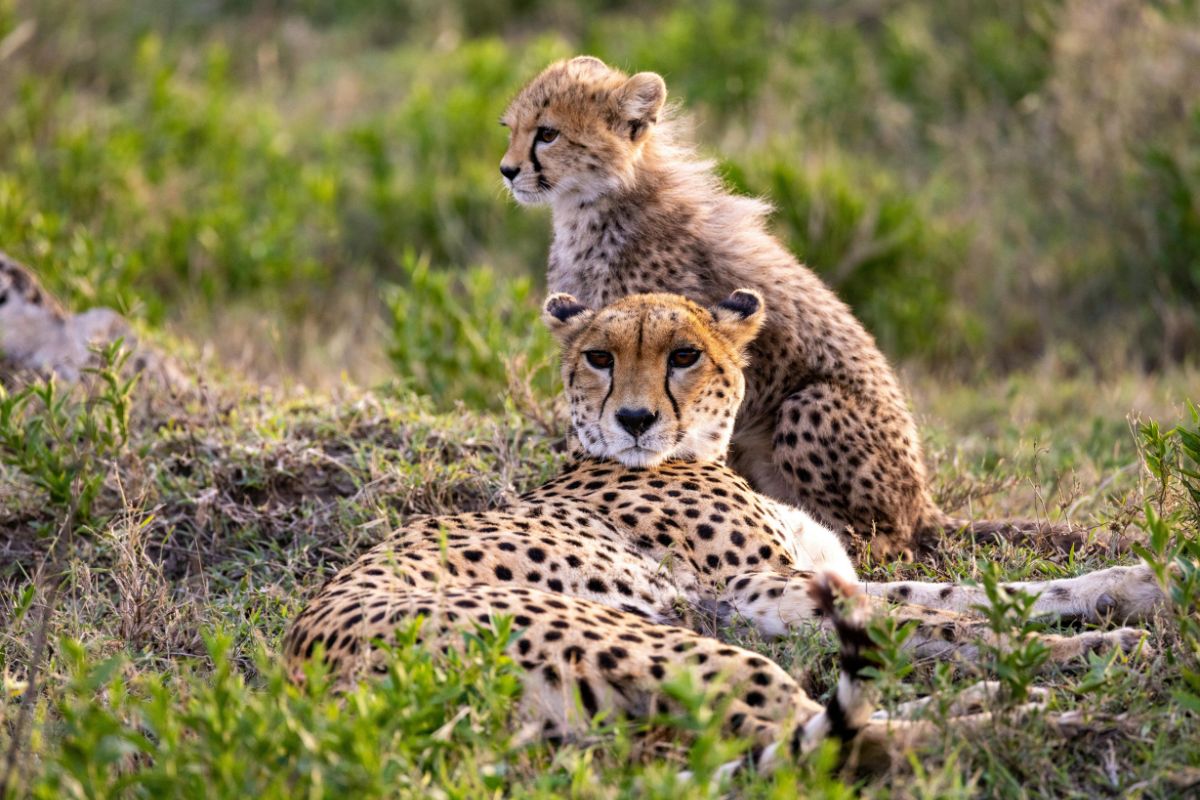
During this period, the reserve transforms into a lush green ecosystem following the long rains, creating dramatic contrast across the plains. Wildlife dispersal becomes more predictable due to water availability, allowing for consistent sightings of lions, cheetahs, elephants, and hyenas across open territories. Riverine zones also remain active, supporting continuous Big Five tracking opportunities.
From a strategic travel perspective, Maasai Mara in May offers a high-value balance between cost efficiency and safari quality. Lower visitor density enhances game drive flexibility, while the post-rain atmosphere improves both visibility and photographic depth.
Why Maasai Mara excels in May:
- Lower tourist density enables uninterrupted game drives and better wildlife tracking
- High predator activity across open savannah ecosystems
- Lush post-rain scenery enhances photography and visual storytelling
- Reduced seasonal pricing compared to peak migration months
2. Amboseli National Park
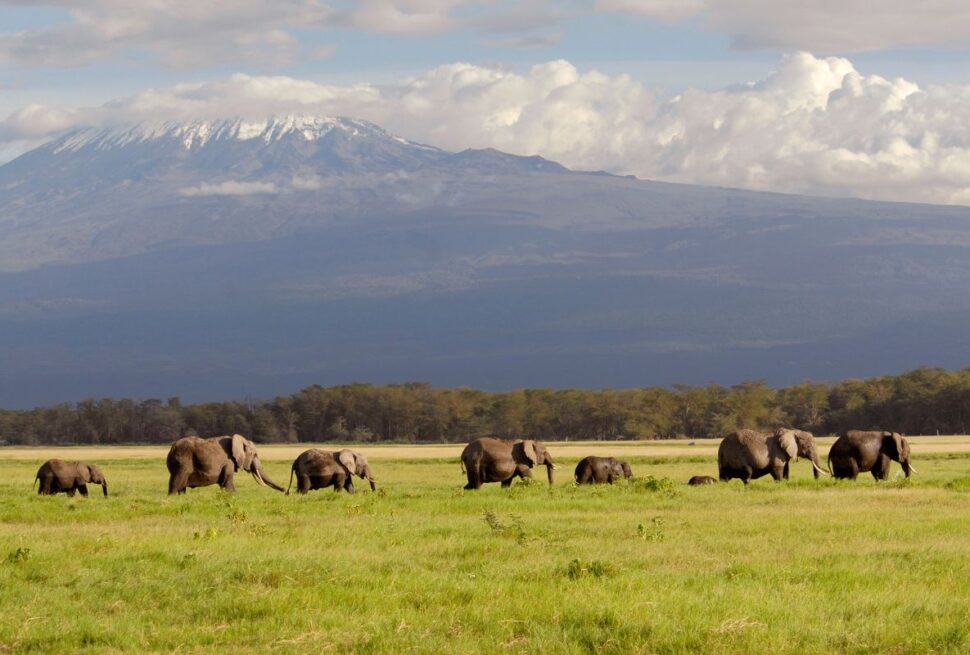
Amboseli stands out in May as one of Kenya’s most visually rewarding safari destinations, driven by its stable elephant populations and iconic views of Mount Kilimanjaro. The long rains rejuvenate swamp systems and underground water channels, concentrating wildlife activity into highly productive viewing zones.
Despite occasional cloud cover over Kilimanjaro, the changing weather patterns often create dramatic breaks that produce exceptional photographic moments. Elephant herds move fluidly across the plains in large family groups, while buffalo, giraffes, and zebras remain consistently visible due to improved grazing conditions. Birdlife also intensifies significantly during this period, benefiting from expanded wetland habitats.
May further enhances Amboseli’s appeal through reduced dust levels and lower visitor congestion, resulting in clearer visibility and a more immersive safari experience.
Why Amboseli performs strongly in May:
- Large elephant herds are highly active across green wetlands and plains
- Swamp ecosystems concentrate diverse wildlife activity
- Clearer air improves photographic quality and long-range visibility
- Occasional Kilimanjaro views emerge after rainfall breaks
3. Lake Nakuru National Park
Lake Nakuru delivers one of the most balanced safari experiences in May, combining ecological richness, scenic transformation, and strong wildlife reliability. The post-rain season enhances vegetation density around the alkaline lake, creating a visually striking environment that significantly improves the overall safari experience.
While flamingo populations fluctuate depending on water levels and seasonal conditions, Lake Nakuru remains a critically important rhino sanctuary, offering dependable sightings of both black and white rhinos. In addition, buffalo, giraffes, baboons, and antelope species remain highly visible across the park’s grassland corridors.
May also improves driving conditions across the park’s escarpments and viewpoints, allowing for smoother movement and more productive game-viewing sessions with fewer tourist vehicles present.
Why Lake Nakuru performs well in May:
- Consistent rhino sightings within protected conservation zones
- Increased bird diversity supported by seasonal wetlands
- Vibrant green landscapes enhance scenic and photographic appeal
- Reduced crowd levels improve wildlife viewing exclusivity
4. Tsavo East National Park
Tsavo East delivers one of Kenya’s most expansive and authentic safari experiences in May, where vast wilderness landscapes meet seasonal renewal from the long rains. The transformation of the terrain into semi-green plains improves grazing conditions and reshapes wildlife movement across the park’s enormous ecosystem.
As vegetation spreads across the savannah, animals become more dispersed yet more active, creating dynamic tracking opportunities for experienced safari guides. The park is especially known for its iconic red elephants, which are frequently observed near seasonal water points, their distinctive colour intensified by the region’s rich soil. Predator activity also adapts naturally, following shifting herbivore patterns across the open plains.
May further enhances Tsavo East’s appeal through significantly reduced tourist traffic, allowing for uninterrupted game drives and a stronger sense of untouched wilderness. The scale of the park ensures a raw, immersive safari atmosphere that is difficult to replicate elsewhere in Kenya.
Why Tsavo East stands out in May:
- Vast wilderness with minimal tourist congestion
- Red elephants frequently seen near seasonal water sources
- Improved grazing conditions increase wildlife movement
- Strong sense of remote, untouched safari authenticity
Contact Sandy Shores Africa Safaris to plan your Tsavo East safari and secure a well-structured itinerary across its vast wilderness landscapes.
5. Tsavo West National Park
Tsavo West presents a more dramatic and geologically diverse safari experience in May, where volcanic terrain, lava flows, and dense vegetation combine to create a visually striking environment. The long rains enhance the park’s greenery, adding depth and contrast to its rugged landscapes.
One of the key highlights during this period is Mzima Springs, where crystal-clear waters attract hippos and crocodiles, offering rare underwater visibility. In addition, the park’s varied ecosystems support a wide range of wildlife, with animals distributed across volcanic slopes, riverine zones, and open plains.
Because of lower visitor numbers in May, Tsavo West offers a quieter and more exclusive safari experience. This allows for deeper exploration of its diverse habitats without congestion, making it especially valuable for travelers seeking variety and scenery-driven safaris.
Why Tsavo West is valuable in May:
- Mzima Springs provides consistent and close-range wildlife viewing
- Volcanic landscapes are enhanced by seasonal greenery
- Lower tourist density improves exclusivity and experience quality
- High ecosystem diversity across contrasting habitats
Contact Sandy Shores Africa Safaris to organize your Tsavo West safari and experience its dramatic scenery and diverse wildlife habitats.
6. Ol Pejeta Conservancy
Ol Pejeta Conservancy offers one of Kenya’s most important and conservation-driven safari experiences, making it a high-value destination in May. Located on the Laikipia plains, the conservancy combines strong wildlife density with globally significant conservation programs, including the protection of the last northern white rhinos.
During May, the landscape becomes lush and productive following seasonal rains, improving grazing conditions and increasing wildlife visibility across open plains. The conservancy is home to the Big Five, with particularly strong sightings of rhinos, lions, elephants, and buffalo due to controlled wildlife management.
Game drives during this period are more exclusive, as lower visitor numbers allow for uninterrupted exploration and deeper engagement with the ecosystem. The combination of conservation value and wildlife accessibility makes Ol Pejeta one of the most strategically important safari destinations in Kenya.
Why Ol Pejeta stands out in May:
- Home to endangered northern white rhino conservation program
- Strong Big Five sightings under managed ecosystem control
- Lush green-season landscapes improve visibility and photography
- Fewer tourists enhance exclusivity and safari quality
Contact Sandy Shores Africa Safaris to plan your Ol Pejeta Conservancy safari and experience one of Kenya’s most important wildlife destinations.
7. Samburu National Reserve
Samburu offers one of the most distinct safari experiences in Kenya during May, where semi-arid landscapes begin to show subtle but meaningful seasonal rejuvenation. Unlike southern parks, Samburu delivers a unique ecological and cultural environment defined by rare species and rugged terrain.
Wildlife viewing is particularly rewarding due to the presence of the “Samburu Special Five,” including Grevy’s zebra, reticulated giraffe, Somali ostrich, gerenuk, and Beisa oryx. These species become easier to track during May as wildlife concentrates around limited water sources following seasonal rainfall patterns.
Beyond wildlife, Samburu also offers a strong cultural dimension through interactions with the Samburu community, adding depth to the overall safari experience. Cooler temperatures during this period further enhance game drive comfort and exploration.
Why Samburu is ideal in May:
- Home to rare and endemic wildlife species
- Reduced vegetation improves visibility and tracking
- Cultural experiences enrich safari itineraries
- Cooler climate enhances comfort during game drives
Contact Sandy Shores Africa Safaris to arrange your Samburu safari and explore rare wildlife species alongside rich cultural experiences.
Why May is an ideal Month for Safari Travel
May presents a unique positioning in Kenya’s safari calendar, combining value, exclusivity, and strong wildlife performance under one travel window. For Safari Destinations to Visit in Kenya in May 2026, this period offers a strategic advantage for travelers seeking both quality and cost efficiency.
1. Lower Safari Costs and Better Value
May falls within the low-to-shoulder travel season, which often results in more competitive safari pricing across lodges, camps, and tour packages. This makes it a high-value month for both luxury and mid-range safari experiences.
2. Reduced Tourist Crowds Across Major Parks
3. Strong Wildlife Visibility and Activity
Despite being a green season, wildlife remains highly active due to widespread grazing zones and water availability. This improves sighting consistency for predators and herbivores across key safari ecosystems.
4. Lush Green Landscapes for Photography
The post-rain transformation enhances Kenya’s visual appeal, producing rich green savannahs, dramatic skies, and high-contrast scenery ideal for photography and cinematic safari experiences.
5. Enhanced Safari Exclusivity and Experience Quality
With fewer vehicles on the ground and quieter park environments, game drives become more focused, flexible, and immersive, allowing for deeper wildlife engagement.
8 Safari Travel Tips for Kenya in May 2026
May is a transitional safari month in Kenya, where lush post-rain landscapes, variable weather, and active wildlife combine to create a high-reward travel window. However, success in this season depends heavily on preparation, timing, and logistics. These practical insights are designed to help travelers get maximum value from Safari Destinations to Visit in Kenya in May 2026.
1. Pack Smart for Layered Weather Conditions
May weather shifts between warm daytime conditions and cool mornings or evenings, especially in higher-altitude parks. The most effective approach is layered clothing that can be adjusted throughout the day without discomfort.
Choose breathable fabrics for daytime game drives and add light insulation for early morning departures. Neutral safari colours also improve wildlife blending and photographic outcomes.
2. Prepare for Intermittent Rainfall Without Disruption
Rain in May is typically short and scattered rather than continuous, but it can still affect movement and comfort. A lightweight waterproof jacket is essential, along with quick-dry clothing that prevents prolonged dampness during field excursions.
In addition, protect personal items such as passports, phones, and travel documents using waterproof pouches to avoid unexpected weather interruptions.
3. Select Proper Footwear for Mixed Terrain
Safari terrain in May can range from dry savannah to soft, rain-affected tracks. Closed, supportive footwear such as hiking shoes or sturdy trainers ensures stability during both game drives and short nature walks.
This becomes especially important in parks like Tsavo and Samburu, where terrain variability is more pronounced during the rainy season.
4. Use 4×4 Vehicles for Reliable Park Access
Road conditions can shift quickly depending on rainfall intensity. A 4×4 safari vehicle is not optional in May—it is a functional requirement for accessing remote wildlife zones safely and efficiently.
It also improves comfort during longer drives and ensures continuity of safari schedules even when secondary routes become challenging.
5. Build Flexibility into Your Itinerary
Wildlife behavior in May is influenced by water distribution and grazing patterns. This means sightings are less predictable than in dry seasons, but often more rewarding when tracked correctly.
Flexible itineraries allow guides to adjust routes in real time, improving chances of encountering active predators and concentrated herds.
6. Prioritize Early and Late Game Drives
The most productive wildlife activity typically occurs during early morning and late afternoon hours. These periods also offer softer lighting conditions, which significantly enhance photography quality across green-season landscapes.
Midday drives can still be productive but are generally less active in comparison.
7. Protect Photography and Digital Equipment
Humidity, mist, and occasional rain require extra protection for cameras and lenses. Dry bags, silica gel packs, and lens covers are highly recommended to maintain equipment performance throughout the trip.
Green-season lighting conditions are excellent, so proper protection ensures you fully capture the visual potential of May safaris.
8. Work with a Knowledgeable Safari Operator
May requires experienced coordination due to changing road conditions and dynamic wildlife movement. A professional safari operator ensures efficient routing, optimized park selection, and timely adjustments based on weather and animal activity.
This directly improves both safety and overall safari value, especially for multi-park itineraries.
Contact Sandy Shores Africa Safaris to plan your May safari experience with expertly designed itineraries tailored to seasonal conditions and destination flow.
FAQs: Safari Destinations to Visit in Kenya in May 2026
This section addresses high-intent planning questions surrounding Safari Destinations to Visit in Kenya in May 2026, while also clarifying expectations for travelers considering a Kenya safari in May 2026 during the long rains transition period.
1. Is May a good time for a safari in Kenya?
Yes, May is a highly rewarding safari month in Kenya, especially for travelers prioritizing value, exclusivity, and scenic diversity. While it falls within the long rains period, rainfall is typically intermittent rather than continuous. This allows game drives to continue across most major parks, with the added advantage of fewer tourists and more private wildlife encounters. The combination of lush landscapes and active animal behavior makes May particularly appealing for immersive safari experiences.
2. What weather conditions should I expect during a Kenya safari in May 2026?
A Kenya safari in May 2026 is characterized by transitional weather patterns. Expect mild daytime temperatures, cooler mornings and evenings, and short, scattered rainfall episodes. These conditions transform the savannah into a green, revitalized ecosystem. While some unpaved roads may become soft, main safari circuits remain operational, ensuring consistent access to key wildlife areas.
3. Which are the best safari destinations to visit in Kenya in May 2026?
The most reliable Safari Destinations to Visit in Kenya in May 2026 include Maasai Mara, Amboseli, Lake Nakuru, Tsavo East, Tsavo West, Samburu, and Ol Pejeta Conservancy. These destinations perform strongly during the green season due to concentrated wildlife around water sources, improved grazing conditions, and reduced tourist congestion. Each offers a distinct ecological experience ranging from open savannahs to volcanic landscapes and conservancy-driven ecosystems.
4. How does May affect wildlife viewing in Kenya?
Wildlife viewing in May remains strong and, in some cases, more predictable than dry-season months. Animals tend to cluster around available grazing zones and water points following the rains. This improves tracking efficiency for guides and increases the likelihood of extended sightings. Predator activity also remains active, particularly in open plains such as Maasai Mara and Amboseli.
5. Will rain disrupt safari game drives in May?
Rainfall in May is usually brief and localized, meaning it rarely disrupts full-day safari plans. However, certain remote tracks may become temporarily soft or slippery. This is why 4×4 safari vehicles are essential during this season. Experienced guides also adjust routes dynamically to ensure uninterrupted wildlife viewing even when weather conditions shift.
6. Are safari prices lower in May compared to peak season?
Yes, May is generally classified as a low-to-shoulder season in Kenya’s tourism calendar. This often translates into more competitive pricing for accommodation, park packages, and guided tours. Travelers can access higher-end lodges and conservancies at comparatively better value than peak months such as July, August, and December.
7. Is May suitable for photography safaris in Kenya?
May is widely regarded as one of the most visually compelling months for safari photography. The landscape is at its greenest, skies are often dramatic after rainfall, and dust levels are significantly lower than in dry seasons. These conditions create high-contrast imagery, ideal for wildlife, landscape, and cinematic safari photography.
8. Which parks offer the best Big Five sightings in May?
Strong Big Five experiences can be found in Maasai Mara, Amboseli, and Ol Pejeta Conservancy during May. Wildlife tends to remain within concentrated feeding zones, improving sighting consistency. Ol Pejeta is particularly notable for rhino conservation, while Maasai Mara offers strong predator visibility across open plains.
9. What should I pack for a Kenya safari in May 2026?
Packing for a Kenya safari in May 2026 requires adaptability. Essential items include layered clothing for fluctuating temperatures, a waterproof jacket for intermittent rain, sturdy closed shoes for variable terrain, insect repellent, sunscreen, and waterproof protection for electronics. Neutral-colored clothing is recommended for better wildlife blending and photography outcomes.
10. Why choose a Kenya safari in May 2026 over peak safari months?
A Kenya safari in May 2026 offers a different but highly valuable experience compared to peak seasons. Instead of crowds and high prices, travelers benefit from quieter parks, richer landscapes, and more personalized game viewing. While peak months focus on large-scale wildlife events, May delivers exclusivity, flexibility, and a more immersive connection with nature.
Book Your Kenya Safari in May 2026 with Sandy Shores Africa Safaris
Plan your Kenya safari in May 2026 with Sandy Shores Africa Safaris for a professionally curated travel experience across the country’s most iconic wildlife destinations. From Maasai Mara and Amboseli to Tsavo and Samburu, every itinerary is designed around seasonal conditions to ensure optimal game viewing and comfort. Our team focuses on personalized planning, ensuring your journey aligns with your travel goals, timing, and preferred safari style. Contact Sandy Shores Africa Safaris today to secure your May safari and experience Kenya at its most lush, exclusive, and rewarding.