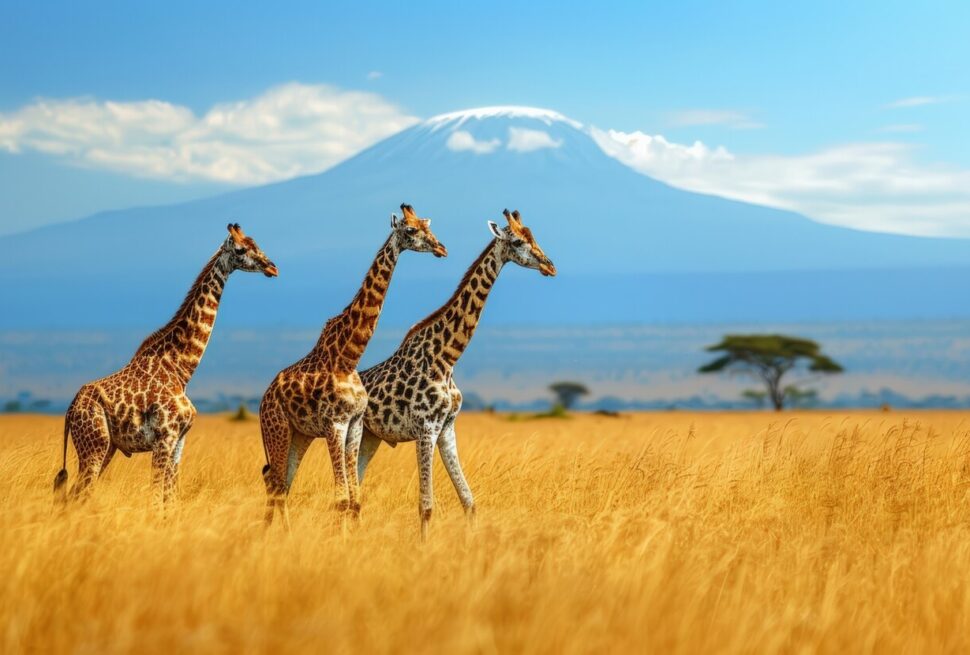
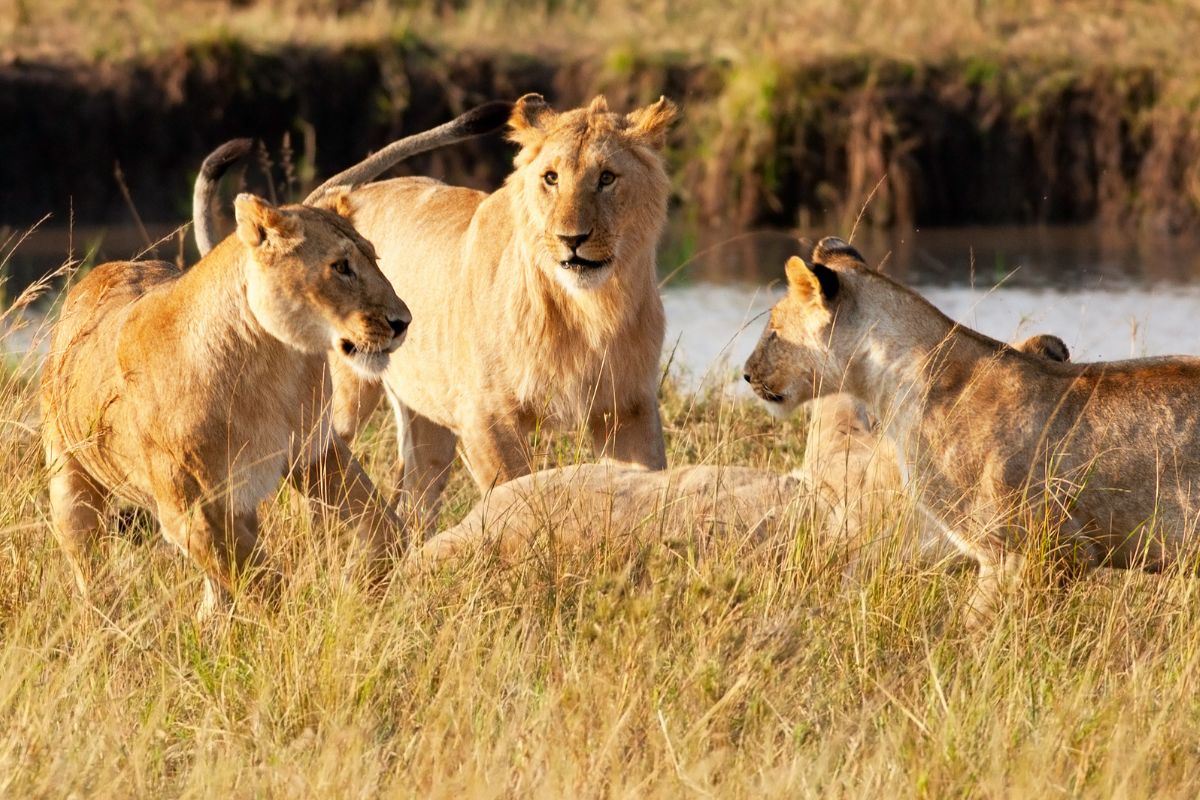
There are destinations you visit, and then there are places that completely redefine your sense of wonder — Kenya belongs firmly to the latter. Here, the wilderness unfolds on an extraordinary scale: endless savannahs alive with movement, dramatic horizons painted by sunrise, and some of the most iconic wildlife encounters on the planet. It is this rare combination of raw beauty, ecological richness, and world-renowned safari experiences that places Kenya among Africa’s most coveted travel destinations. In this guide, we take you through the top 5 best Safari Destinations in Kenya for an unforgettable adventure, each offering a distinct perspective of the country’s breathtaking natural heritage. For travelers seeking a safari that is immersive, visually stunning, and profoundly memorable, Kenya remains in a league of its own.
1. Maasai Mara National Reserve
When you think of an African safari, the Maasai Mara National Reserve is often the first image that comes to mind. Widely regarded as one of the best safari destinations in Kenya, it is renowned for its sweeping golden plains, abundant wildlife, and the world-famous Great Wildebeest Migration. This iconic reserve captures the true essence of Kenya’s safari experience, offering travelers exceptional opportunities to witness nature in its purest and most dramatic form. From breathtaking game drives to unforgettable sunsets across the savannah, the Maasai Mara delivers a wildlife adventure that is truly unmatched.
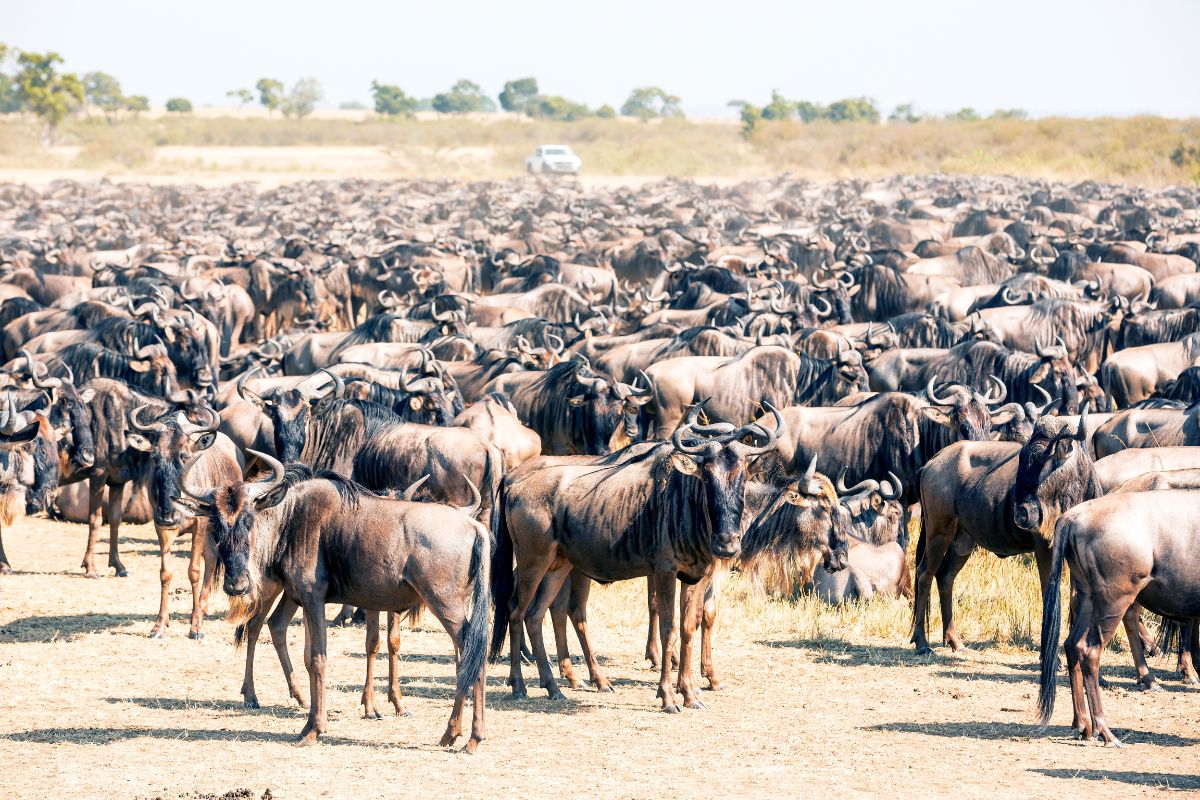
Location of Maasai Mara National Reserve
The Maasai Mara National Reserve is located in southwestern Kenya, bordering Tanzania’s Serengeti National Park. It lies within Narok County, approximately 270 kilometers from Nairobi, making it one of the most accessible and popular safari destinations in the country.
Its strategic position forms part of the larger Serengeti–Mara ecosystem, which supports one of the richest concentrations of wildlife in Africa.
History of Maasai Mara National Reserve
The reserve was established in 1961 as a wildlife sanctuary and later expanded into what is now the Maasai Mara National Reserve. It derives its name from the Maasai people, the indigenous community that has lived in the region for generations, and the word “Mara,” which means “spotted” in the Maa language — a reference to the dotted appearance of acacia trees, bushes, and wildlife across the landscape.
Over the years, it has grown into one of Africa’s most iconic conservation areas and a leading destination for luxury safari tourism.
Why Visit Maasai Mara National Reserve?
The Maasai Mara stands out for several compelling reasons:
A. The Great Wildebeest Migration
Every year, millions of wildebeests, zebras, and gazelles move between the Serengeti and the Mara, creating one of the greatest wildlife spectacles on Earth.
B. Big Five Wildlife Viewing
The reserve offers excellent chances to spot the Big Five:
- lion
- leopard
- elephant
- buffalo
- rhino
C. Exceptional Predator Sightings
The Mara is especially famous for its lion prides, cheetahs, and hyenas, making it a top destination for predator action.
D. Stunning Landscapes
From endless open plains to riverine forests and acacia-dotted horizons, the scenery is as memorable as the wildlife.
E. Cultural Experiences
Visitors can also enjoy authentic interactions with the Maasai community, adding a rich cultural dimension to the safari.
Travel Tips for Visiting Maasai Mara National Reserve
To enjoy the best safari experience, planning your visit strategically is essential.
Best time to visit:
- July to October for the Great Wildebeest Migration
- December to February for dry weather and excellent game viewing
Recommended stay:
Spend at least 2 to 4 days to maximize wildlife sightings and enjoy multiple game drives.
What to pack:
- neutral safari clothing
- binoculars
- camera with zoom lens
- sunscreen and hat
- light jacket for morning drives
How to get there:
You can access the reserve by road from Nairobi (approximately 5–6 hours) or by domestic flight (about 45 minutes).
Pro travel tip:
Early morning and late afternoon game drives offer the best opportunities for lion, cheetah, and leopard sightings.
Book Your Maasai Mara Safari with Sandy Shores Africa Safaris
Experience the magic of the Maasai Mara National Reserve with expertly curated safari packages from Sandy Shores Africa Safaris. Whether you want to witness the Great Migration, track the Big Five, or enjoy a luxury game-drive experience, our team will create a personalized itinerary tailored to your travel goals. Book your Maasai Mara safari today and discover why this iconic reserve remains one of the top national parks to visit in Kenya for an unforgettable safari.
2. Amboseli National Park
If the Maasai Mara captures the drama of African wildlife, Amboseli National Park embodies the majesty of iconic landscapes paired with intimate wildlife encounters. Set against the towering backdrop of Mount Kilimanjaro, Africa’s highest peak, Amboseli offers some of the most photographed and breathtaking safari scenery in the world. Here, massive elephant herds roam across open plains while the snow-capped Kilimanjaro rises in the distance, creating picture-perfect moments at every turn. For travelers seeking both extraordinary wildlife and awe-inspiring scenery, Amboseli stands out as one of the best safari destinations in Kenya for an unforgettable adventure.
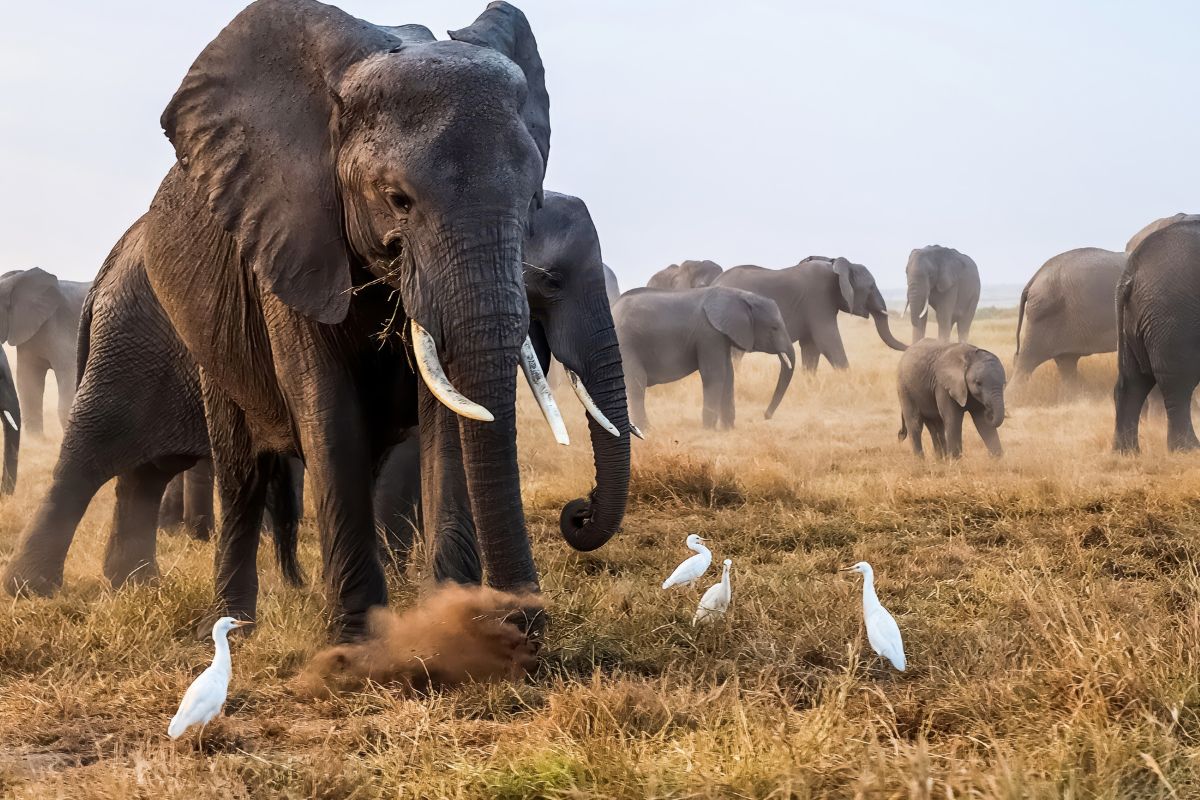
Location of Amboseli National Park
Located in Kajiado County in southern Kenya, near the border with Tanzania, Amboseli National Park lies approximately 230 kilometers southeast of Nairobi, making it easily accessible for travelers. Its strategic position at the foot of Mount Kilimanjaro gives it a unique and striking natural setting, with plains, swamps, and wetlands that support a rich diversity of wildlife throughout the year.
History of Amboseli National Park
Amboseli was first set aside as a protected area in 1906 and officially became a national park in 1974. Covering roughly 392 square kilometers, it forms part of the larger Amboseli ecosystem, which extends into surrounding Maasai community lands. Historically, the area has been home to the Maasai people, whose culture and pastoral traditions remain deeply connected to the land. Today, Amboseli is recognized globally for its role in elephant conservation and eco-tourism, making it a leading destination for wildlife enthusiasts.
Why Visit Amboseli National Park?
Amboseli offers a combination of wildlife, scenery, and cultural experiences that few other destinations can match:
A. Majestic Elephant Herds
Amboseli is world-renowned for its elephant populations, allowing travelers to witness these magnificent animals up close in their natural habitat.
B. Iconic Mount Kilimanjaro Views
The snow-capped peak of Kilimanjaro provides a dramatic backdrop for photography and an unparalleled sense of place on the African plains.
C. Diverse Wildlife
Beyond elephants, visitors can encounter:
- lions
- cheetahs
- buffalo
- giraffes
- zebras
- wildebeests
- hyenas
- over 400 bird species
D. Stunning Wetlands and Swamps
The park’s swamps, fed by underground Kilimanjaro water, attract wildlife year-round, ensuring excellent game viewing even in dry months.
E. Cultural Experiences
Visitors can interact with Maasai communities, learning about traditional practices and experiencing local culture firsthand.
Travel Tips for Visiting Amboseli National Park
To make the most of your Amboseli safari, consider these tips:
Best Time to Visit:
- June to October: Dry season, optimal wildlife sightings
- January to February: Clear views of Mount Kilimanjaro
- November to March: Lush landscapes and excellent birdwatching
Recommended Stay:
Spend 2–3 days to fully enjoy morning and evening game drives.
Essential Packing:
- Neutral safari clothing
- Binoculars and camera with zoom lens
- Sunglasses and sunscreen
- Light jacket for early morning drives
Pro Tip:
Morning game drives offer the clearest views of Kilimanjaro before haze sets in later in the day.
Book Your Amboseli Safari with Sandy Shores Africa Safaris
Experience the magic of Amboseli National Park with Sandy Shores Africa Safaris. From close-up elephant encounters to awe-inspiring Kilimanjaro vistas, our expert guides will craft a personalized itinerary tailored to your safari goals. Book your Amboseli safari today and explore one of Kenya’s most iconic and scenic national parks for an unforgettable wildlife adventure.
3. Tsavo East and Tsavo West National Parks
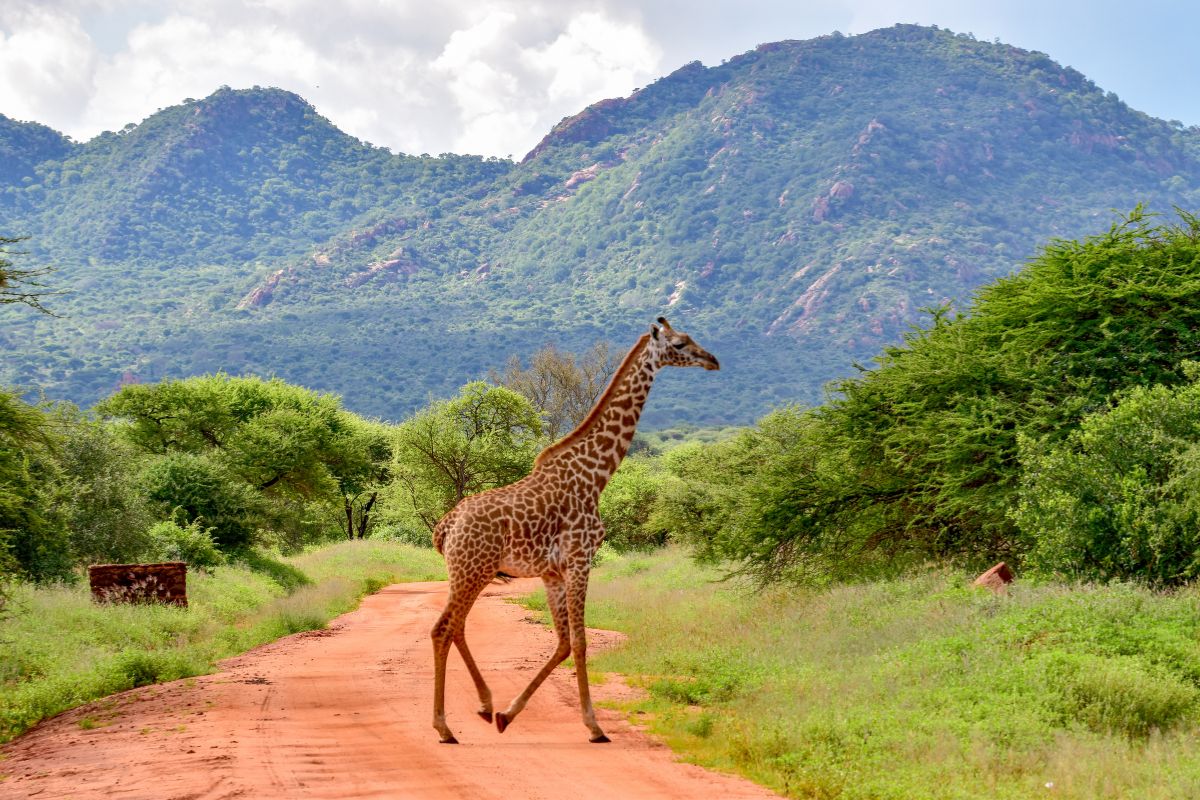
Spanning a combined area of over 22,000 square kilometers, Tsavo East and Tsavo West National Parks form one of the largest protected wilderness areas in Kenya and the world. Together, they offer an unparalleled safari experience, from vast savannahs and rugged hills to volcanic landscapes and lush riverine habitats. Tsavo is renowned for its iconic red elephants, dramatic landscapes, and diverse wildlife, making it a destination for travelers seeking adventure, photography opportunities, and authentic African wilderness. Visiting Tsavo gives you a sense of scale and freedom that few other parks can match.
Location of Tsavo East and Tsavo West
- Tsavo East: Located in southeastern Kenya, Tsavo East lies about 320 kilometers from Nairobi, accessible via road or air. Its open plains, arid landscapes, and iconic Galana River attract large wildlife herds, making it ideal for game drives.
- Tsavo West: Located to the west of Tsavo East, Tsavo West is more hilly and forested, with volcanic features, springs, and the Mzima Springs—a natural haven for hippos and crocodiles. The park covers approximately 9,065 square kilometers and provides a contrasting landscape for adventurous travelers.
History of Tsavo National Parks
Tsavo was first protected in 1948 under Kenya’s national parks program. The parks have since become globally recognized for their ecological significance and wildlife conservation efforts. Historically, Tsavo was a sparsely populated region used by Maasai and Kamba communities for grazing and hunting. Today, it plays a critical role in elephant conservation and hosts some of the largest herds in Africa. Its blend of open plains, rivers, volcanic hills, and wilderness makes Tsavo a cornerstone of Kenya’s safari heritage.
Why Visit Tsavo East and Tsavo West?
A. Iconic Red Elephants
Tsavo East is famous for its red-dusted elephants, a unique feature caused by the park’s rich red soil, creating striking photographic opportunities.
B. Diverse Landscapes
- Tsavo East: Open savannahs and arid plains ideal for spotting large herds
- Tsavo West: Hills, lava flows, and Mzima Springs for a more varied safari experience
C. Rich Wildlife
Visitors can expect:
- Lions and leopards
- Elephants and buffalo
- Giraffes, zebras, and wildebeests
- Hippos and crocodiles in rivers and springs
- Over 600 bird species, including rare raptors
D. Adventure and Exploration
From walking safaris in Tsavo West to sunset drives across Tsavo East’s plains, the parks offer activities for thrill-seekers and photography enthusiasts alike.
E. Cultural Encounters
Visitors can engage with local Maasai and Kamba communities, experiencing traditional dances, crafts, and village life.
Travel Tips for Tsavo Safaris
Best Time to Visit:
- June to October: Dry season, wildlife congregates around waterholes
- January to March: Short rains; fewer tourists, lush scenery
Recommended Stay:
- 3–4 days to explore both parks fully and experience varied landscapes
Packing Essentials:
- Lightweight, neutral clothing
- Binoculars and camera with zoom lens
- Hat, sunscreen, and sunglasses
- Comfortable shoes for walking safaris
Pro Tip:
Tsavo West’s Mzima Springs are best visited in the early morning for clear wildlife viewing and photography.
Book Your Tsavo Safari with Sandy Shores Africa Safaris
Discover the vast wilderness of Tsavo East and Tsavo West with Sandy Shores Africa Safaris. Our expertly designed itineraries allow you to explore dramatic landscapes, encounter iconic wildlife, and enjoy personalized safari experiences. Book your Tsavo safari today and witness one of Kenya’s largest and most captivating national park destinations for an unforgettable adventure.
4. Lake Nakuru National Park
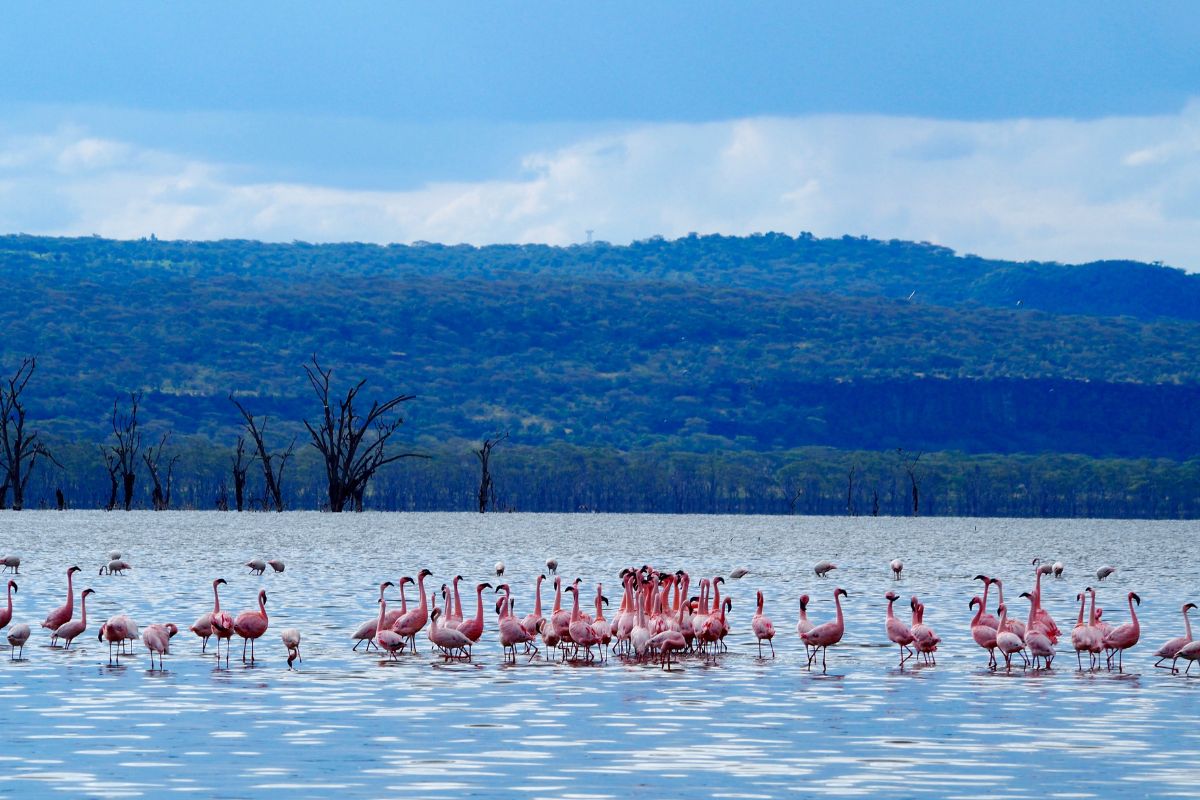
Nestled in Kenya’s Rift Valley, Lake Nakuru National Park is a world-renowned safari destination celebrated for its spectacular birdlife, thriving wildlife populations, and breathtaking landscapes. The park is most famous for hosting millions of flamingos that turn the lake’s surface pink during certain seasons, creating one of Africa’s most iconic natural spectacles. Beyond birds, the park is home to an impressive array of wildlife, including the Big Five, rhinos, and diverse antelope species, making it a must-visit destination for both birdwatchers and wildlife enthusiasts.
Location of Lake Nakuru National Park
- Located approximately 160 kilometers northwest of Nairobi, Lake Nakuru National Park is easily accessible via road or air.
- The park spans roughly 188 square kilometers, encompassing the alkaline Lake Nakuru and surrounding wooded and grassland habitats.
- Its central location in the Rift Valley offers travelers the convenience of a short safari trip from Nairobi without compromising the richness of wildlife and scenery.
History of Lake Nakuru National Park
Established in 1961, Lake Nakuru National Park was originally set aside to protect the park’s flamingo populations and other endangered species, including black and white rhinos. Over the decades, it has grown into one of Kenya’s premier wildlife destinations, balancing conservation with eco-tourism. The park’s protected area ensures that visitors can witness thriving wildlife populations while contributing to ongoing conservation efforts in the region.
Why Visit Lake Nakuru National Park?
A. Flamingo Spectacle
- Millions of flamingos gather on the alkaline lake, creating breathtaking pink hues and incredible photography opportunities.
B. Big Five and Rhino Sanctuary
- The park is a refuge for both black and white rhinos, and visitors also encounter lions, leopards, buffalo, and elephants.
C. Rich Biodiversity
- Other notable species include giraffes, zebras, warthogs, waterbucks, and over 450 bird species, making it a birdwatcher’s paradise.
D. Scenic Landscapes
- The park’s combination of lake, grassland, and forested escarpments provides striking contrasts and unforgettable views.
E. Accessibility and Short Safaris
- Its proximity to Nairobi makes it ideal for a day trip or a 1–2 night safari, perfect for travelers with limited time.
Travel Tips for Lake Nakuru National Park
Best Time to Visit:
- June to September: Dry season, easier wildlife spotting
- November to March: Short rains; fewer tourists and lush scenery
Recommended Stay:
- 1–2 days for short visits
- 3 days to explore surrounding areas, including Baboon Cliff and Makalia Falls
Packing Essentials:
- Lightweight, neutral safari clothing
- Binoculars and a camera with zoom lens
- Hat, sunscreen, and insect repellent
- Comfortable shoes for walking or short hikes
Pro Tip:
For the best flamingo views, visit early morning or late afternoon when light conditions enhance the lake’s pink hues and wildlife activity.
Book Your Lake Nakuru Safari with Sandy Shores Africa Safaris
Experience the magical landscapes and diverse wildlife of Lake Nakuru National Park with Sandy Shores Africa Safaris. Our tailored itineraries ensure you witness flamingo spectacles, track rhinos, and enjoy personalized game drives with expert guides. Book your Lake Nakuru safari today and immerse yourself in one of Kenya’s most stunning and accessible national parks for an unforgettable safari adventure.
5. Samburu National Reserve
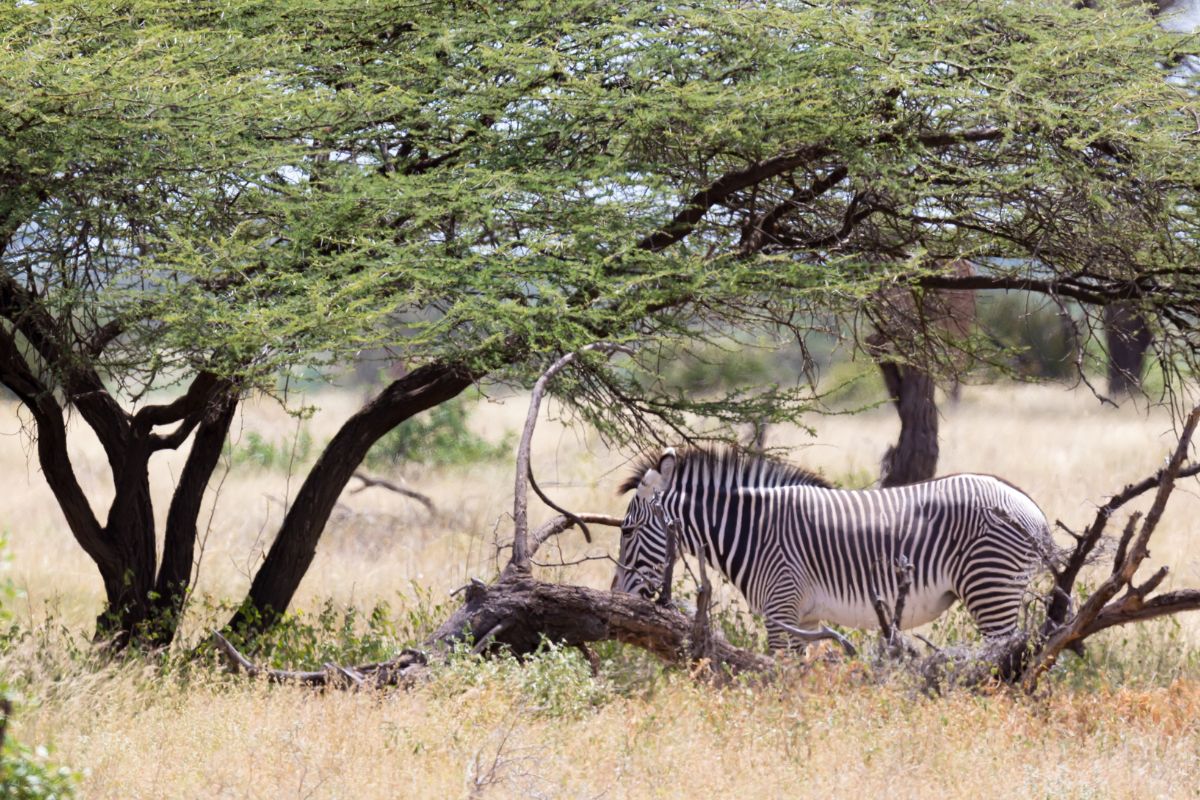
Samburu National Reserve, located in northern Kenya, offers a uniquely rugged and remote safari experience unlike any other in the country. Known for its arid landscapes, dramatic riverine forests, and the meandering Ewaso Ng’iro River, the reserve is a haven for rare and endemic wildlife species that are rarely seen in southern parks. From the elegant reticulated giraffe to Grevy’s zebra, Samburu presents an intimate and thrilling wildlife experience, complemented by the rich culture of the Samburu people. For travelers seeking off-the-beaten-path adventures with breathtaking scenery, Samburu National Reserve is a must-visit destination.
Location of Samburu National Reserve
- Situated approximately 350 kilometers north of Nairobi, Samburu is accessed via a 6–7 hour drive or by chartered flight for a faster route.
- The reserve covers roughly 165 square kilometers along the Ewaso Ng’iro River, which sustains the park’s wildlife even during Kenya’s dry seasons.
- Its remote location offers a tranquil safari experience with fewer crowds, making it ideal for travelers seeking privacy and exclusivity.
History of Samburu National Reserve
Established in 1961, the reserve was created to protect the unique wildlife species endemic to northern Kenya. The Samburu community has lived in harmony with the wildlife for generations, and their traditional practices are integrated into the park’s conservation efforts. Over the years, Samburu has grown into a world-class safari destination while maintaining its authentic, untouched wilderness feel, providing visitors with both adventure and cultural insight.
Why Visit Samburu National Reserve?
A. Rare and Endemic Wildlife
- Samburu is home to the “Samburu Special Five”: reticulated giraffe, Grevy’s zebra, Somali ostrich, gerenuk, and Beisa oryx.
- Predators such as lions, leopards, and cheetahs are also regularly spotted.
B. Scenic Riverine Landscapes
- The Ewaso Ng’iro River provides a lush contrast to the semi-arid surroundings, attracting elephants, hippos, and crocodiles.
C. Rich Cultural Experiences
- Visitors can interact with the Samburu people, learning about their traditions, beadwork, and nomadic lifestyle.
D. Exclusive and Quiet Safaris
- Fewer tourists ensure a personalized and immersive wildlife experience, perfect for photographers and nature enthusiasts.
E. Birdwatching Opportunities
- With over 400 bird species, including raptors and water birds, Samburu is a top destination for avid birdwatchers.
Travel Tips for Samburu National Reserve
Best Time to Visit:
- June to October: Dry season; easier to spot wildlife along the river
- November to May: Short rains; landscape is lush and scenic, but some roads may be challenging
Recommended Stay:
- 2–3 days to fully explore the reserve and enjoy cultural encounters
Packing Essentials:
- Neutral, lightweight safari clothing
- Binoculars and camera with zoom lens
- Hat, sunscreen, and insect repellent
- Comfortable walking shoes for short guided walks
Pro Tip:
Plan early morning or late afternoon game drives for the best lighting and wildlife activity.
Book Your Samburu Safari with Sandy Shores Africa Safaris
Discover the unique wildlife and rugged beauty of Samburu National Reserve with Sandy Shores Africa Safaris. Our expert guides and tailored itineraries ensure encounters with rare species, immersive cultural experiences, and unforgettable game drives. Book your Samburu safari today and explore one of Kenya’s most extraordinary and authentic safari destinations.
Frequently Asked Questions About the Best Safari Destinations in Kenya
Planning a trip to the best safari destinations in Kenya naturally comes with important questions about timing, wildlife, logistics, accommodation, and itinerary planning. These frequently asked questions provide practical insights to help you make the most of your safari experience across Kenya’s most iconic wildlife destinations.
1. What are the best safari destinations in Kenya for an unforgettable safari?
Kenya is home to some of Africa’s most iconic wildlife regions, and the best safari destinations in Kenya include:
- Maasai Mara National Reserve – world-famous for the Great Wildebeest Migration
- Amboseli National Park – known for elephants and Mount Kilimanjaro views
- Tsavo East and Tsavo West National Parks – vast wilderness and diverse wildlife
- Lake Nakuru National Park – flamingos, rhinos, and scenic lake landscapes
- Samburu National Reserve – rare northern species and rugged scenery
Together, these represent the best safari destinations in Kenya for wildlife, landscapes, and authentic safari experiences.
2. When is the best time to visit the best safari destinations in Kenya?
The ideal time to visit the best safari destinations in Kenya depends on the type of experience you want.
- June to October is the dry season and offers excellent wildlife visibility, especially in Maasai Mara and Amboseli.
- November to May provides greener landscapes and excellent birdwatching opportunities.
For migration experiences, July to October remains the most recommended season.
3. How many days should I spend exploring the best safari destinations in Kenya?
To fully experience the best safari destinations in Kenya, a 5 to 7-day itinerary is highly recommended.
A shorter trip of 3–4 days works well for one or two parks, while 8–10 days allows you to combine multiple safari destinations for a richer wildlife experience.
4. What wildlife can I expect to see in the best safari destinations in Kenya?
The best safari destinations in Kenya offer exceptional wildlife diversity.
You can expect to see:
- lions
- elephants
- leopards
- rhinos
- buffalo
- giraffes
- zebras
- wildebeests
- cheetahs
- flamingos
Different destinations specialize in different species, making Kenya one of Africa’s most rewarding safari countries.
5. Are the best safari destinations in Kenya suitable for first-time travelers?
Yes, the best safari destinations in Kenya are excellent for first-time safari travelers.
Kenya offers:
- accessible parks
- experienced safari guides
- excellent accommodation options
- safe and organized game drives
This makes it one of the easiest and most rewarding safari destinations in Africa for beginners.
6. How do I travel between the top safari destinations in Kenya?
Travel between the best safari destinations in Kenya can be done by road or air.
Road safaris are common for:
- Maasai Mara
- Amboseli
- Lake Nakuru
Domestic flights are ideal for longer distances such as Samburu.
Professional safari operators usually manage all transfers.
7. What accommodation options are available in the best safari destinations in Kenya?
The best safari destinations in Kenya offer a wide range of accommodations, including:
- luxury lodges
- tented camps
- eco-lodges
- mid-range safari camps
- budget-friendly options
This flexibility allows travelers to choose experiences that align with their travel goals and budget.
8. What should I pack when visiting the best safari destinations in Kenya?
When visiting the best safari destinations in Kenya, pack:
- neutral clothing
- binoculars
- camera
- sunscreen
- hat
- light jacket
- comfortable shoes
Proper packing improves both comfort and wildlife viewing.
9. Can I combine several of the best safari destinations in Kenya in one trip?
Absolutely.
Combining several of the best safari destinations in Kenya creates a richer and more diverse safari itinerary.
Popular combinations include:
- Maasai Mara + Lake Nakuru + Amboseli
- Samburu + Tsavo + Amboseli
This allows travelers to experience different ecosystems and wildlife species.
10. How do I book a trip to the best safari destinations in Kenya?
Booking a trip to the best safari destinations in Kenya is simple with Sandy Shores Africa Safaris.
Our team helps you:
- choose the right destinations
- customize your itinerary
- arrange accommodation
- organize transfers
- manage park access and logistics
This ensures a smooth and unforgettable safari experience.
Book Your Safari to the Best Safari Destinations in Kenya with Sandy Shores Africa Safaris
Experience the thrill of exploring the best safari destinations in Kenya with expertly crafted itineraries by Sandy Shores Africa Safaris, designed for unforgettable wildlife encounters. From the sweeping plains of Maasai Mara to the majestic elephants of Amboseli and the flamingo-studded landscapes of Lake Nakuru, every moment is tailored to your adventure style. Our professional guides, comfortable accommodations, and personalized planning ensure your safari is seamless, safe, and deeply immersive. Book your safari to the best safari destinations in Kenya today with Sandy Shores Africa Safaris and embark on a journey through Africa’s most iconic landscapes and wildlife experiences.