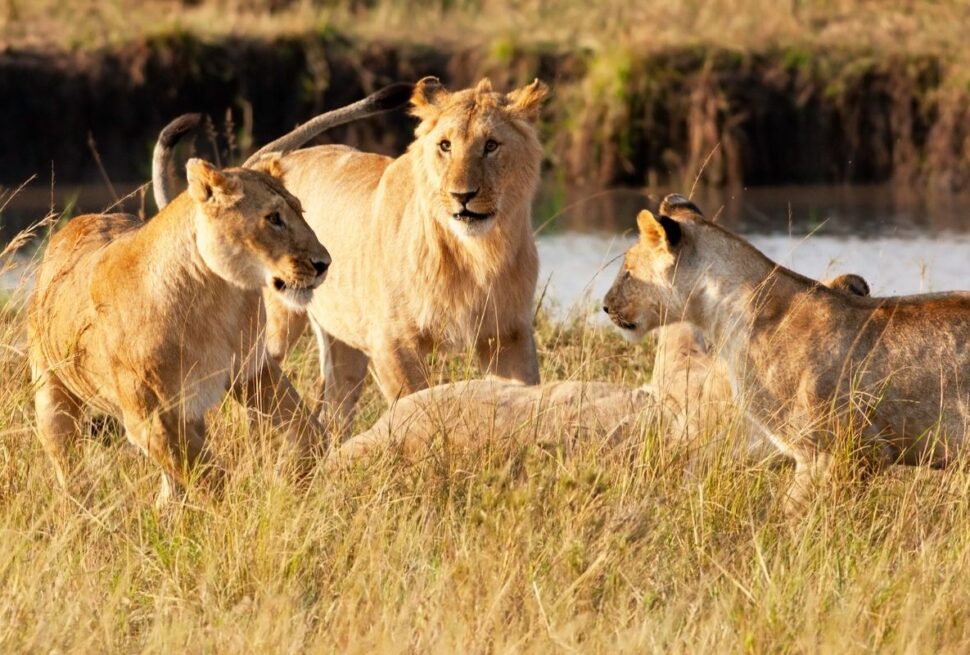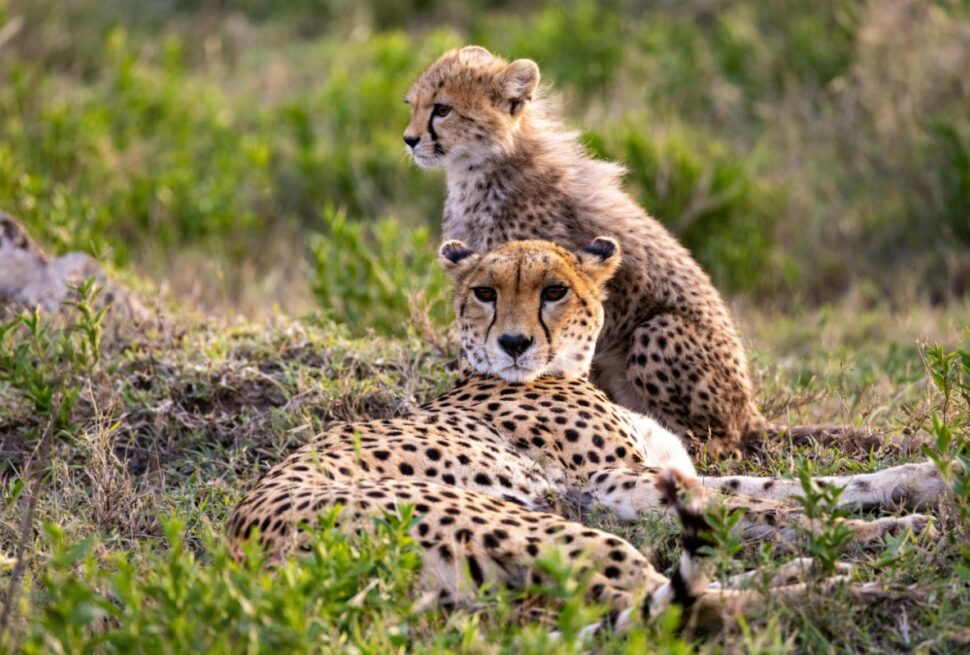
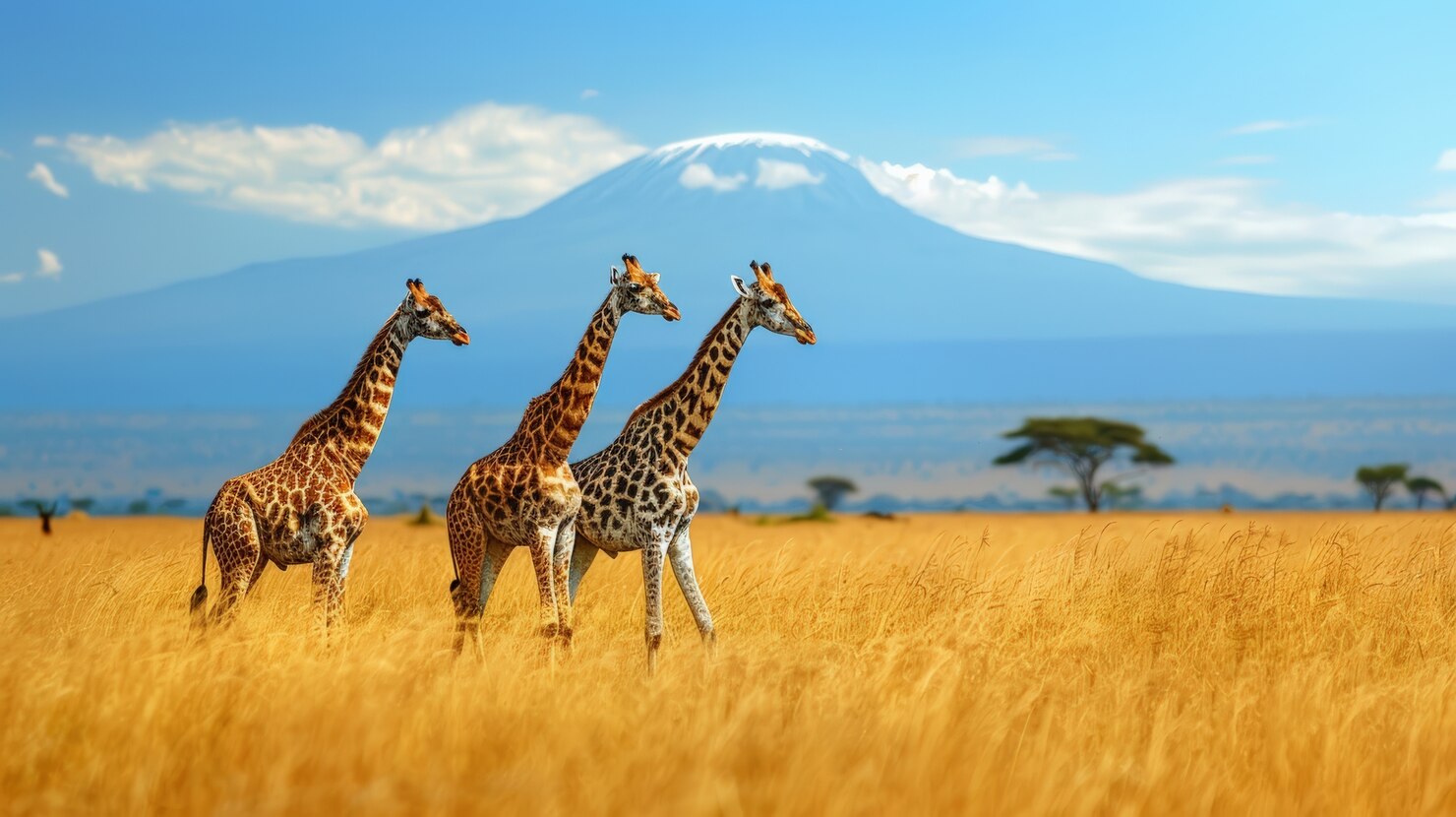
The best time to visit Kenya for safari can make the difference between a good trip and an unforgettable wildlife experience. From the world-famous Great Migration in the Masai Mara to year-round elephant sightings in Amboseli and scenic game drives in Tsavo, each season offers something unique for travelers. Understanding when to travel helps you align your safari with the best wildlife viewing, favorable weather, photography opportunities, and budget-friendly packages. In this guide, we explore the best time to visit Kenya for safari month by month so you can choose the perfect season for your dream African adventure.
Kenya Safari Seasons at a Glance
Kenya’s safari calendar is generally divided into two main travel seasons: the dry season and the green season. Understanding the difference between these periods is essential because weather patterns directly influence wildlife visibility, landscape conditions, and overall travel costs. While both seasons offer exceptional safari experiences, each appeals to a different type of traveler depending on their priorities. For instance, some visitors prefer peak wildlife viewing, whereas others prioritize fewer crowds and greener scenery.
Dry Season (June to October)
The dry season, which runs from June to October, is widely considered the best time to visit Kenya for safari, especially for first-time travelers. During these months, rainfall is minimal, vegetation is thinner, and animals tend to gather around rivers, waterholes, and open plains, making them easier to spot. As a result, game drives in destinations such as Masai Mara, Amboseli, and Tsavo often deliver excellent wildlife sightings. Moreover, this period coincides with the famous Great Migration, particularly from July to October, when millions of wildebeest and zebras cross into the Masai Mara from Tanzania.
Green Season (November to May)
On the other hand, the green season extends from November to May and is known for its lush landscapes, dramatic skies, and lower travel costs. Although some months experience rainfall, this season offers a different kind of safari charm, with vibrant scenery, fewer tourists, and excellent birdwatching opportunities. In addition, it is one of the best times for photography, as the parks are greener and the light is often softer and more dramatic. For travelers seeking more affordable safari packages and a quieter experience, the green season can be an excellent choice.
Best Time to Visit Kenya for Safari by Month
Choosing the best time to visit Kenya for safari depends on your travel goals, whether you want prime wildlife viewing, the Great Migration, fewer crowds, or budget-friendly packages. To make planning easier, here is a month-by-month breakdown of what each season offers across Kenya’s leading safari destinations.
Kenya Safari in January: Excellent Wildlife Viewing and Green Landscapes
January is one of the most strategically balanced months to visit Kenya for safari. It falls immediately after the short rains, creating a rare combination of lush landscapes, stable weather, and strong wildlife visibility. For many operators, it is considered a premium shoulder period that delivers high safari value without peak-season congestion.
Weather Conditions and Travel Environment
- Warm daytime temperatures, generally ranging from comfortable to moderately hot
- Cool mornings and evenings, ideal for early game drives
- Low rainfall probability, ensuring predictable safari schedules
- Good road conditions across major parks and conservancies
This stability allows multi-park itineraries to run smoothly without weather-related disruptions.
Wildlife Behaviour and Game Viewing
January offers highly productive wildlife viewing across Kenya’s major ecosystems:
- Herbivores concentrate around permanent water sources and open grasslands
- Elephants, giraffes, buffalo, zebras, and antelopes are widely distributed
- Predator activity remains strong due to stable prey movement patterns
- Big cat sightings (lion, leopard, cheetah) are frequent during early morning and late afternoon drives
In Amboseli, large elephant herds are commonly seen against the Kilimanjaro backdrop, while the Masai Mara delivers consistent big game encounters even outside migration season.
Best Safari Destinations in January
- Masai Mara: Reliable predator-prey interactions and open plains visibility
- Amboseli National Park: Exceptional elephant herds and photographic backdrops
- Tsavo East & West: Vast landscapes with fewer tourists and strong wilderness appeal
- Lake Nakuru: Good for rhino sightings and birdlife diversity
Travel Advantage in the month of January
- Strong safari conditions without peak-season pricing pressure
- High photographic value due to green backdrops and clean skies
- Balanced visitor numbers, allowing less crowded game drives
- Ideal for first-time safari travelers seeking reliability and comfort
Kenya Safari in February: Dry Weather and Outstanding Game Drives
February is widely regarded as one of the most consistent safari months in Kenya and frequently ranks within the best time to visit Kenya for safari category for serious wildlife travelers. It represents peak environmental stability before the long rains approach.
Weather Stability and Accessibility
- Dry, sunny conditions dominate most regions
- Excellent visibility across savannah landscapes
- Roads remain in optimal condition for extended game drives
- Minimal weather disruptions for scheduled itineraries
This creates one of the most reliable safari environments of the year.
Wildlife Density and Viewing Quality
February is particularly strong for wildlife concentration and visibility:
- Reduced vegetation significantly improves sighting distance
- Wildlife gathers around predictable water points
- Big cats are easier to track due to open terrain conditions
- Herd movement patterns become more predictable for guides
Samburu and Masai Mara often deliver especially strong predator encounters during this period.
Birdlife and Ecosystem Diversity
- Migratory bird species are still present across wetlands and lakes
- Resident bird populations remain highly active
- Excellent conditions for birding-focused safaris in Lake Naivasha and Nakuru
Photography and Safari Experience Quality
- Clear atmospheric conditions enhance long-distance visibility
- High contrast lighting improves wildlife photography output
- Sunrise and sunset game drives offer premium lighting conditions
- Landscapes remain slightly green, providing visual depth in images
Travel Advantage in the month of February
- Lower crowd density compared to migration peak months
- High reliability for wildlife sightings
- Strong value for luxury safari experiences and honeymoon travel
- Ideal for travelers prioritizing comfort and predictability
Kenya Safari in March: Transition into the Green Season
March is a transitional safari month, bridging the dry season and the onset of Kenya’s long rains. While conditions begin to shift, it remains a strategically valuable month for flexible and value-driven safari travel.
Weather Transition Patterns
- Early March: Mostly warm and still relatively dry
- Mid to late March: Increasing rainfall frequency
- Short, localized showers rather than continuous rainfall
- Gradual shift toward greener, more humid conditions
Travel planning becomes more dynamic during this period.
Wildlife Viewing Dynamics
- Early March maintains strong wildlife visibility
- As vegetation thickens, spotting requires more guided tracking skill
- Animals remain active but become slightly less predictable in open plains
- Predator sightings still occur, especially in conservancies and core reserves
Experienced guides play a more critical role during this transition month.
Landscape Transformation and Scenic Value
- Rapid greening of savannah ecosystems
- Enhanced contrast between skies and landscapes
- Increased photographic drama due to cloud formations
- Rivers and vegetation regain full seasonal intensity
For visual storytelling and photography-focused safaris, March offers exceptional creative conditions.
Pricing and Travel Economics
- Noticeable drop in accommodation rates compared to peak dry season
- Increased availability in premium lodges and camps
- Greater flexibility in itinerary customization
- Strong value for luxury safari experiences at reduced cost
Travel Advantage in the month of March
- Lower tourist density across major parks
- High-value safari packages available
- Ideal for travelers prioritizing privacy and exclusivity
- Strong option for repeat safari visitors seeking a different landscape experience
Kenya Safari in April: Peak Green Season and Deep Budget Value
April is the heart of Kenya’s long rainy season and represents one of the most distinctive safari periods in the annual cycle. While it is traditionally considered the low tourist season, it offers a very specific type of safari experience defined by lush landscapes, low crowds, and unmatched pricing value.
Weather Conditions and Safari Environment
- April is typically the wettest month in Kenya
- Rainfall is often heavy but occurs in short, intense bursts rather than all-day rain
- Mornings can still be suitable for game drives, especially in well-managed parks
- Some remote tracks may become muddy or partially inaccessible
Despite the rain, safari operations continue in most major parks with adjusted schedules.
Wildlife Viewing in April
- Wildlife remains fully present across all major ecosystems
- Animals do not migrate away due to rain; they simply disperse more widely
- Dense vegetation may reduce long-distance visibility
- Experienced guides become essential for tracking movement patterns
Predator sightings are still possible, especially in conservancies and open plains during dry breaks.
Landscape and Visual Experience
- Peak green season scenery across all parks
- Dramatic skies with high photographic contrast
- Flourishing vegetation and active ecosystems
- Rivers and waterholes at strong seasonal levels
For photographers, April delivers some of the most cinematic safari conditions of the year.
Travel Positioning
- Ideal for budget-conscious luxury travelers
- Best for visitors prioritizing privacy over peak wildlife density
- Strong option for repeat safari travelers seeking unique landscapes
- Not ideal for first-time safari visitors expecting guaranteed big game density
Pricing and Travel Value Advantage in the month of February
- Lowest safari accommodation rates of the year
- High availability in luxury lodges and camps
- Strong discounts on custom and private safari packages
- Excellent opportunity for high-end experiences at reduced cost
Kenya Safari in May: Late Rainy Season with Emerging Safari Stability
May continues the green season but marks a gradual shift toward more stable safari conditions as the long rains begin to ease. It is a transitional month where value remains high but travel flexibility becomes more rewarding.
Weather Conditions and Safari Access
- Rainfall begins to reduce toward late May
- Weather becomes more unpredictable early in the month
- Improved road conditions compared to April
- Increasing number of viable game drive hours per day
By late May, safari operations become significantly smoother.
Wildlife Viewing in May
- Wildlife remains widely dispersed but actively feeding in greener zones
- Herbivores benefit from abundant vegetation, increasing movement across plains
- Predator tracking requires deeper guide expertise due to thicker cover
- Birdlife activity remains extremely high due to seasonal abundance
While sightings may require more effort, quality encounters still occur.
Landscape and Ecosystem Conditions
- One of the greenest months in the safari calendar
- Rivers, wetlands, and plains fully rejuvenated
- Strong contrast between vegetation layers and wildlife movement
- Ideal for immersive nature experiences rather than fast-paced game drives
Pricing and Safari Market Position
- Continued low-season pricing across most lodges
- Strong availability in premium safari properties
- Attractive offers for long-stay and multi-park itineraries
- High value for customized private safaris
Travel Advantage in the month of May
- Excellent for travelers prioritizing exclusivity and affordability
- Suitable for photography-focused safaris and slow travel experiences
- Best for flexible itineraries not dependent on guaranteed big game density
- Strong option for off-peak luxury travel experiences
Kenya Safari in June: Start of the Dry Season and Rising Safari Demand
June marks a critical turning point in Kenya’s safari calendar. It signals the end of the long rains and the beginning of the dry season, which is widely recognized as the start of the best time to visit Kenya for safari period for most international travelers.
Weather Transition and Safari Conditions
- Rainfall significantly reduces by mid-June
- Cooler, dry conditions begin to dominate
- Roads and park tracks improve rapidly
- Game drive reliability increases day by day
By late June, safari conditions are highly stable.
Wildlife Viewing in June
- Vegetation begins to thin, improving visibility
- Wildlife starts concentrating around permanent water sources
- Predator activity becomes easier to observe
- Herbivore movement becomes more predictable
Game viewing improves steadily throughout the month.
Migration Preparation in Masai Mara
- Early signs of wildebeest migration movement begin toward the Masai Mara ecosystem
- Predator-prey dynamics start intensifying in anticipation of peak migration months
- River ecosystems begin to regain safari significance
This sets the stage for July–October peak season.
Landscape and Travel Experience
- Transition from green season to dry golden savannah
- Improved photography conditions due to clearer visibility
- Balanced mix of greenery and open plains
- Comfortable safari temperatures for long game drives
Pricing and Market Position
- Prices begin rising as peak season approaches
- Mid-range availability still possible in early June
- Increasing demand for premium safari lodges
- Early booking becomes strategically important
Travel Advantage in the month of June
- Excellent balance between value and wildlife visibility
- Fewer crowds compared to peak migration season
- Strong option for first-time safari travelers seeking reliability
- Ideal “pre-peak” travel window before July–October congestion
Kenya Safari in July: Start of the Great Migration and Peak Safari Season
July marks the official start of Kenya’s peak safari season and is widely regarded as one of the best times to visit Kenya for safari, especially for travelers targeting the Great Migration in the Masai Mara. This is when the ecosystem becomes highly active, and wildlife movement intensifies across the Mara plains.
Weather Conditions and Safari Environment
- Dry season fully established across most safari regions
- Clear skies and excellent visibility for game drives
- Cool mornings and warm afternoons, ideal for full-day safaris
- Excellent road conditions in major parks and conservancies
These stable conditions make July highly reliable for scheduled safari itineraries.
The Great Migration Begins
- Wildebeest and zebras start arriving in the Masai Mara from Tanzania
- Predator activity increases significantly due to prey abundance
- Early river crossing attempts may begin in key Mara river points
- High concentration of wildlife in central and northern Mara regions
This period marks the beginning of one of nature’s most dramatic cycles.
Wildlife Viewing in July
- Lions, cheetahs, and hyenas are highly active
- Large herbivore herds dominate open plains
- Elephants, giraffes, and buffalo remain widely visible
- Birdlife remains strong across riverine ecosystems
Game viewing becomes increasingly predictable due to animal concentration.
Travel Positioning in the month of May
- High demand begins across all safari lodges and camps
- Prices start rising toward peak season levels
- Early booking becomes essential for premium accommodation
- Ideal for travelers seeking first migration experiences
Kenya Safari in August: Peak Migration and Iconic Wildlife Drama
August is the absolute peak of the Kenya safari calendar and is often considered the best month to visit Kenya for safari for travelers seeking dramatic wildlife action. The Masai Mara becomes the center of global safari attention during this period.
Weather Conditions and Safari Stability
- Fully dry season with optimal game drive conditions
- Excellent visibility across all major ecosystems
- Very low rainfall probability
- Consistently accessible safari routes
This creates near-perfect safari logistics.
The Great Migration at Its Peak
- Massive herds dominate the Masai Mara ecosystem
- Iconic Mara River crossings are most likely during this month
- Crocodile and predator interactions reach dramatic intensity
- Thousands of animals move in coordinated survival cycles
This is one of Africa’s most powerful natural spectacles.
Wildlife Density and Game Viewing
- Extremely high concentration of wildlife in limited zones
- Frequent predator-prey encounters
- Lions positioned along migration corridors
- Cheetahs and leopards actively hunting smaller herds
Every game drive carries high encounter potential.
Travel Demand and Booking Pressure
- Highest tourism demand of the entire year
- Luxury camps often fully booked months in advance
- Premium pricing across all safari categories
- Limited last-minute availability in top conservancies
Strategic advance planning is essential.
Travel Advantage in the month of August
- Peak wildlife drama and migration visibility
- Best chance to witness river crossings
- Ideal for first-time safari travelers seeking iconic experiences
- High photographic value and global safari prestige
Kenya Safari in September: Migration Continuation with Better Crowd Balance
September remains part of the peak safari season but introduces a slightly more balanced travel experience. The Great Migration is still active, but visitor density begins to ease compared to August.
Weather Conditions and Safari Experience
- Continued dry season with stable safari conditions
- Excellent visibility across Masai Mara and surrounding parks
- Slightly warmer afternoons but still comfortable for game drives
- Reliable road and airstrip access
Safari logistics remain highly efficient.
The Great Migration Activity
- Large herds still present in the Masai Mara ecosystem
- River crossings may continue depending on herd movement
- Predators remain highly active along migration routes
- Gradual southward movement may begin in late September
Wildlife intensity remains exceptionally high.
Wildlife Viewing Conditions
- Strong predator sightings, especially lions and cheetahs
- Large herbivore groupings still dominate plains
- Elephants and buffalo remain consistently visible
- Birdlife activity continues in riverine areas
Game viewing remains world-class.
Travel and Crowd Dynamics
- Slight reduction in tourist density compared to August
- Improved lodge availability in some regions
- Still considered peak pricing season
- Better balance between exclusivity and migration access
Travel Advantage in the month of September
- High probability of migration encounters
- Slightly less congested safari experience
- Strong value for luxury safari travelers
- Excellent for photographers seeking balanced conditions
Kenya Safari in October: End of Peak Season with Excellent Wildlife Viewing
October marks the final stretch of the dry season and remains a highly rewarding month for safari travel in Kenya. Although the Great Migration begins to move southward, wildlife viewing across major parks remains exceptional, making it part of the extended best time to visit Kenya for safari window.
Weather Conditions and Safari Environment
- Dry conditions continue across most safari circuits
- Hotter daytime temperatures compared to earlier months
- Excellent road accessibility in all major parks
- Very low rainfall probability
Safari logistics remain stable and predictable.
Wildlife Viewing in October
- Migration herds gradually exit the Masai Mara ecosystem
- Predator activity remains strong due to lingering prey movement
- Wildlife concentrates around permanent water sources
- Excellent sightings of elephants, lions, and buffalo across parks
Even without peak migration pressure, game density remains high.
Masai Mara Experience in October
- Reduced migration crowds compared to August–September
- Possible late-stage crossings depending on herd movement
- More exclusive safari atmosphere in conservancies
- Strong photographic opportunities with open plains visibility
Travel Advantage in the month of October
- Slightly lower crowd levels than peak season
- High-quality game viewing still guaranteed
- More flexibility in lodge availability
- Ideal for travelers who want peak experience without peak congestion
Kenya Safari in November: Start of Green Season and Refreshing Landscapes
November signals the beginning of the short rains and the return of the green season. While this marks a transition away from peak safari conditions, it introduces a completely different and highly valuable safari experience defined by fresh landscapes, fewer tourists, and better pricing.
Weather Conditions and Rain Patterns
- Short, scattered rains rather than continuous downpours
- Rapid landscape transformation into lush greenery
- Warm temperatures with occasional showers
- Generally manageable travel conditions in major parks
Rainfall is typically brief and does not disrupt full-day safaris.
Wildlife Viewing in November
- Wildlife remains active across all ecosystems
- Animals disperse more widely due to renewed vegetation
- Birdlife increases significantly due to migratory arrivals
- Predator sightings remain possible, especially in open conservancies
Experienced guides remain essential for optimal sightings.
Landscape and Safari Experience
- Dramatic green transformation across savannahs
- Beautiful contrast between wet skies and fresh plains
- Excellent conditions for photography-focused safaris
- More peaceful and immersive wildlife experience
Travel Value and Pricing
- Lower accommodation rates compared to dry season
- High availability in luxury lodges and camps
- Attractive off-peak safari packages
- Strong value for long-stay or private safaris
Travel Advantage in the month of November
- Ideal for budget-conscious luxury travelers
- Fewer crowds across all major parks
- Excellent for repeat safari visitors seeking variety
- Strong photography and nature immersion potential
Kenya Safari in December: Festive Travel and Peak Holiday Safari Demand
December is a high-demand safari month driven by global holiday travel. It combines the benefits of the green season with increased visitor activity, making it a dynamic and popular time for both family and luxury safaris.
Weather Conditions in December
- Short rains taper off toward mid to late December
- Landscapes remain lush, green, and visually rich
- Warm daytime temperatures with occasional showers
- Generally favorable safari conditions
The environment is vibrant and scenic across all regions.
Wildlife Viewing in December
- Strong wildlife presence across major parks
- Animals remain widely distributed in greener habitats
- Excellent elephant and big cat sightings in key reserves
- Birdlife activity remains very high
Game viewing remains rewarding, especially with expert guiding.
Safari Experience and Festive Demand
- High international travel demand during Christmas and New Year
- Popular month for family safaris and honeymoon travel
- Lodges and camps experience peak occupancy periods
- Early booking is essential due to holiday rush
Best Safari Destinations in December
- Masai Mara for classic wildlife encounters
- Amboseli for elephant herds and scenic backdrops
- Diani and coastal regions for safari-and-beach combinations
- Lake Naivasha and Nakuru for relaxed short itineraries
Travel Advantage in the month of December
- Ideal festive-season safari experience
- Strong combination of scenery and wildlife
- Excellent for family and group travel packages
- High emotional and experiential value for end-of-year trips
Best Time to Visit Kenya by Safari Destination and Travel Experience
While the month-by-month guide helps you understand the best time to visit Kenya for safari across the calendar year, choosing the right destination is equally important. Different parks and travel experiences perform best at different times depending on wildlife movement, weather conditions, and your safari goals. The sections below help you identify the ideal time to visit Kenya based on specific destinations and travel experiences.
Best Time to Visit Kenya for the Great Migration
The best time to visit Kenya for the Great Migration is between July and October, when one of the world’s most dramatic wildlife spectacles unfolds across the Masai Mara ecosystem. During this period, over a million wildebeest, zebras, and gazelles move from Tanzania’s Serengeti into Kenya in search of fresh grazing land and water.
This is one of the most sought-after safari experiences in Africa, attracting wildlife enthusiasts, photographers, and first-time safari travelers from around the world.
Migration Timeline and Seasonal Flow
The migration follows a broad seasonal pattern, although exact movement may vary slightly depending on rainfall conditions.
- July: Early herds begin entering the Masai Mara from the southern corridor
- August: Peak migration activity with high chances of river crossings
- September: Herds spread widely across the plains for grazing
- October: Gradual southward return toward the Serengeti begins
Because this is a natural migration cycle, timings may shift from year to year.
The Mara River Crossings (Key Highlight)
The Mara River crossings are widely regarded as the most iconic and dramatic part of the migration experience.
During this period:
- Large herds gather near the riverbanks, often waiting for hours before crossing
- Crocodiles and predators remain highly active in crossing zones
- The movement is unpredictable, creating intense wildlife drama
- The best viewing window is usually August to early September
These river crossings are a major reason why many travelers choose Kenya during this season.
Best Viewing Locations
For the best migration experience, focus on the following areas:
- Northern Masai Mara – key entry route for incoming herds
- Mara River crossing points – prime locations for crossing action
- Private conservancies – fewer vehicles and more exclusive viewing
- Open central plains – ideal for predator-prey interactions
Best Month to Visit for the Great Migration
For travelers seeking the most intense wildlife spectacle, August is widely considered the best month due to peak river crossing activity and predator concentration.
However:
- July offers the excitement of herd arrivals with fewer crowds
- September provides excellent sightings with slightly calmer conditions
This makes all three months strong options depending on your travel preference and budget.
Best Time to Visit Masai Mara
The best time to visit Masai Mara depends entirely on the type of safari experience you want. As one of Kenya’s most iconic wildlife destinations, the reserve offers distinct experiences throughout the year, from the world-famous Great Migration to quieter months with excellent resident wildlife viewing.
Whether you are traveling for dramatic river crossings, Big Five sightings, or a more private safari escape, the timing of your visit will shape the entire experience.
Peak Season: July to October (Migration Period)
This is the most sought-after safari period in Masai Mara and one of the most popular wildlife travel windows in Africa.
During these months, you can expect:
- Massive concentrations of wildebeest, zebras, and gazelles
- Frequent predator-prey interactions across the plains
- High chances of witnessing the Great Migration river crossings
- Excellent sightings of lions, cheetahs, and hyenas
- Premium lodge rates and high demand for camps
This is the most iconic time to experience Masai Mara and is ideal for first-time safari travelers.
Shoulder Season: January to March (Resident Wildlife Season)
If you prefer fewer crowds while still enjoying excellent wildlife viewing, this period offers a balanced safari experience.
Highlights include:
- Strong sightings of lions, leopards, and cheetahs
- Clear landscapes with excellent photography conditions
- More private and less crowded game drives
- Better accommodation availability
- More competitive pricing compared to peak season
This season is perfect for travelers seeking quality wildlife encounters without peak-season pressure.
Green Season: April to June and November
This is the most value-driven period for visiting Masai Mara and is ideal for travelers prioritizing scenery, lower prices, and exclusivity.
During this season, you can expect:
- Lush green landscapes and dramatic skies
- Lower lodge and camp rates
- More flexible booking options
- Excellent birdwatching opportunities
- Fewer safari vehicles in the reserve
Wildlife remains present, although animals may be more dispersed due to abundant grazing.
Which Season Is Best for You?
Masai Mara is a year-round safari destination, but the experience changes significantly depending on when you travel.
- Peak season: best for spectacle, migration, and iconic wildlife drama
- Shoulder season: best for balance, photography, and fewer crowds
- Green season: best for value, scenery, and quieter safaris
The best time ultimately depends on whether you prioritize wildlife intensity, exclusivity, or travel value.
Best Time to Visit Amboseli National Park
The best time to visit Amboseli National Park is during the dry seasons, specifically from June to October and January to February, when wildlife visibility is at its peak and weather conditions are most stable. These months offer the most rewarding safari experience, especially for travelers hoping to see large elephant herds against the backdrop of Mount Kilimanjaro.
Amboseli is one of Kenya’s most visually striking safari destinations, making timing especially important for both wildlife viewing and photography.
Why the Dry Season Is Ideal
The dry months provide the most reliable safari conditions across the park.
During this period:
- Large elephant herds gather near swamps and permanent water sources
- Sparse vegetation improves wildlife visibility
- Clear morning skies often reveal stunning views of Mount Kilimanjaro
- Roads and game drive tracks remain fully accessible
- Wildlife is easier to track across the open plains
This makes the dry season the most practical and rewarding time to visit.
Wildlife Highlights in Amboseli
Amboseli is globally renowned for its elephant population and scenic open landscapes.
Key wildlife highlights include:
- Large herds of elephants moving across the plains
- Predators such as lions, cheetahs, and hyenas
- Buffaloes, giraffes, zebras, and wildebeest
- Over 400 bird species across wetlands and swamps
- Hippos and other aquatic life in permanent marshes
The combination of open visibility and concentrated wildlife makes sightings highly consistent.
Photography Advantage
Amboseli is widely regarded as one of Africa’s top safari photography destinations.
The best conditions for photography are usually during the dry months because:
- Mount Kilimanjaro is most visible during clear early mornings
- Open landscapes allow clean and uninterrupted framing
- Golden-hour lighting is exceptional for wildlife shots
- The contrast between wildlife, dust, and mountain scenery is visually striking
This makes Amboseli ideal for photographers seeking iconic safari imagery.
Best Time to Visit for the Full Experience
If your goal is a classic Amboseli safari with the best elephant sightings and the highest chance of seeing Mount Kilimanjaro clearly, the best months are June to October.
For a quieter experience with equally strong wildlife viewing, January and February are also excellent choices.
Amboseli is not just about wildlife density — it is about visual storytelling, making the dry season the most reliable period for a premium safari experience.
Best Time to Visit Tsavo East and Tsavo West
The best time to visit Tsavo East and Tsavo West is during the dry seasons, from June to October and January to February, when wildlife movement becomes more concentrated and easier to track across the park’s vast landscapes. These months offer the best road conditions, clearer visibility, and more predictable wildlife encounters.
As Kenya’s largest protected ecosystem, Tsavo delivers a more rugged and immersive safari experience compared to more frequently visited parks.
Why Tsavo Feels Different
Tsavo is not your typical safari destination — it offers a raw, expansive wilderness experience that appeals to travelers seeking authenticity and space.
What makes Tsavo unique includes:
- Vast wilderness with fewer safari vehicles
- A strong sense of isolation and natural authenticity
- The famous red-dust elephants unique to the region
- Diverse ecosystems ranging from open savannah to volcanic terrain
- A less commercial and more exploratory safari atmosphere
This makes Tsavo ideal for travelers who want a deeper connection with nature.
Wildlife Viewing Conditions
Wildlife viewing is strongest during the dry season, when animals gather around permanent water sources such as rivers, springs, and waterholes.
Common sightings include:
- Elephants, including Tsavo’s iconic red elephants
- Lions, buffaloes, giraffes, and zebras
- Various antelope species across the plains
- Hyenas and occasional cheetah sightings
- Rich birdlife throughout the year
Because of the park’s size, predator sightings may require more patience, but the reward is often exceptional.
Tsavo East vs Tsavo West Experience
Although both parks form part of the greater Tsavo ecosystem, they offer distinct safari experiences.
Tsavo East
- Wide open plains and easier wildlife spotting
- Classic savannah safari feel
- Large elephant and buffalo herds
- Ideal for first-time Tsavo visitors
Tsavo West
- More varied terrain and dramatic scenery
- Volcanic landscapes and rocky hills
- Famous attractions such as Mzima Springs
- Excellent for scenic and photography-focused safaris
Choosing between the two often depends on whether you prioritize wildlife density or landscape diversity.
Best Time to Visit for the Full Experience
For the best balance of wildlife visibility, road access, and overall safari comfort, June to October remains the strongest period.
However, January and February also provide excellent dry-season conditions with slightly fewer visitors.
Tsavo is ideal for travelers who want a less commercial, more exploratory safari experience with strong wilderness immersion and a true sense of scale.
Best Time to Visit Lake Nakuru National Park
The best time to visit Lake Nakuru National Park is during the dry months, from June to March, when access roads remain in good condition and wildlife viewing is more predictable. Because the park is compact and easy to navigate, it is an excellent choice for both short safaris and multi-park itineraries.
Lake Nakuru is particularly well known for its rhino conservation success and rich birdlife, making it one of Kenya’s most rewarding parks for travelers seeking strong wildlife density in a smaller area.
Wildlife Highlights
Lake Nakuru may be smaller than some of Kenya’s larger reserves, but it offers exceptional biodiversity.
Key wildlife highlights include:
- A strong black and white rhino population
- Lions, leopards, buffaloes, and Rothschild’s giraffes
- Seasonal flamingo concentrations along the lake
- Pelicans, eagles, and a wide range of bird species
- Dense biodiversity within a compact safari circuit
This makes the park ideal for travelers who want a high-success safari in a shorter time frame.
Weather and Viewing Conditions
The dry season offers the best conditions for exploring the park comfortably.
During these months:
- Vegetation is less dense, improving wildlife visibility
- Roads remain easier to navigate across the full park
- Clearer skies support better photography conditions
- Full-day game drives can cover more ground efficiently
Because the park is smaller, wildlife encounters are often frequent and highly rewarding.
Why Lake Nakuru Works Well for Short Safaris
One of the biggest advantages of Lake Nakuru is its accessibility and size.
It is ideal for:
- Day trips from Nairobi
- Weekend safari getaways
- Family-friendly itineraries
- Multi-park circuits including Masai Mara or Amboseli
Travelers with limited time often choose Lake Nakuru because it offers excellent wildlife diversity without requiring long travel durations.
Best Time to Visit for the Full Experience
For the best balance of weather, wildlife visibility, and road access, June to October and January to March are particularly strong months.
Lake Nakuru is perfect for short-duration safaris or multi-park circuits, offering high wildlife density in a compact and easily navigable setting.
Best Time to Visit Kenya for Beach and Safari Holidays
The best time to visit Kenya for beach and safari holidays is during January to March and July to October, when wildlife viewing conditions inland are at their strongest and coastal weather is most favorable. These months allow travelers to combine iconic safari experiences with warm, sunny days along Kenya’s Indian Ocean coastline.
This is one of Kenya’s greatest travel advantages — the ability to enjoy world-class wildlife encounters and beach relaxation within a single itinerary.
Safari and Beach Combination Strategy
Kenya offers a rare and seamless dual travel experience that combines inland wilderness with coastal luxury.
Popular itinerary combinations include:
- Masai Mara safari + Diani Beach relaxation
- Amboseli National Park safari + Indian Ocean coast stay
- Tsavo National Park safari + coastal resort escape
This combination works exceptionally well for honeymooners, families, and travelers seeking both adventure and downtime.
Coastal Weather Conditions
Kenya’s coast enjoys a warm tropical climate for most of the year, but some periods are particularly ideal.
The best months for beach conditions are:
- January to March – sunny skies and calm waters
- July to October – pleasant temperatures and excellent beach weather
During these periods, travelers can enjoy:
- Clear ocean waters ideal for swimming and snorkeling
- Comfortable humidity levels
- Strong conditions for marine activities and dhow cruises
- Beautiful beach sunsets and resort stays
Best For Honeymoons and Luxury Travel
A safari-and-beach holiday is especially popular for premium travel experiences.
It is ideal for:
- Honeymoon packages
- Luxury couples’ escapes
- Anniversary trips
- Family safari holidays with relaxation time
The transition from wildlife-rich parks to white-sand beaches creates a balanced and memorable journey.
Why This Is One of Kenya’s Best Travel Experiences
This combination remains one of Kenya’s strongest tourism advantages, delivering wildlife immersion and ocean relaxation in one seamless itinerary.
For travelers seeking both excitement and comfort, January to March and July to October offer the best overall experience.
Best Time to Visit Kenya for Wildlife Photography
The best time to visit Kenya for wildlife photography depends on your creative focus—whether you are capturing high-action wildlife moments, dramatic landscapes, or cinematic storytelling compositions. However, the most consistently rewarding periods are January to February and July to October, when lighting conditions and wildlife visibility are at their strongest.
Kenya offers one of Africa’s most diverse photography environments, making timing a key factor in achieving high-quality results.
Dry Season Photography Advantages
The dry season provides the most predictable and technically reliable conditions for wildlife photography.
Key advantages include:
- Clear skies and stable natural lighting conditions
- High concentration of wildlife around water sources
- Open landscapes that simplify subject framing
- Strong opportunities for predator-prey interactions
- Easier tracking and positioning of subjects
This period is ideal for sharp, action-driven wildlife imagery.
Green Season Photography Advantages
The green season delivers a completely different visual style, focused on atmosphere and storytelling.
Key advantages include:
- Dramatic storm clouds and dynamic skies
- Lush green landscapes with strong natural contrast
- Fewer safari vehicles in frame for cleaner compositions
- Rich textures and depth in natural environments
- Enhanced opportunities for artistic and cinematic photography
This season is preferred by photographers focused on mood, narrative, and visual depth.
Top Photography Locations in Kenya
Kenya offers world-class photography settings across multiple ecosystems.
- Masai Mara National Reserve – migration action, river crossings, predator hunts
- Amboseli National Park – elephants with Mount Kilimanjaro backdrop
- Samburu National Reserve – rare northern species and unique arid landscapes
- Lake Nakuru National Park – rhino conservation and bird photography
Each destination offers a distinct photographic style, from dramatic action scenes to minimalist landscape compositions.
Key Insight for Photographers
Professional wildlife photographers often adopt a dual-season strategy to maximize output.
- Dry season: best for wildlife action, density, and predictable behavior
- Green season: best for creative storytelling, mood, and cinematic visuals
Combining both seasons allows for a complete and diverse photographic portfolio of Kenya’s ecosystems
Best Time to Visit Kenya for Budget Safari Packages
The best time to visit Kenya for budget safari packages is during the green seasons, from March to May and in November, when demand is lower and safari pricing becomes significantly more accessible. This period is ideal for travelers who want to experience Kenya’s wildlife and landscapes without the premium costs associated with peak travel months.
For value-conscious travelers, these months often offer the strongest return on experience versus cost.
Budget Season Advantages
Traveling during the green season comes with several financial and experiential benefits.
Key advantages include:
- Reduced accommodation and safari package costs
- High availability in premium lodges and tented camps
- Greater flexibility in itinerary customization
- Lower park congestion and fewer safari vehicles
- Access to promotional offers and discounted packages
This makes it an excellent time for travelers seeking a high-value safari experience.
Trade-Off Considerations
While the pricing is attractive, it is important to understand the seasonal trade-offs.
During this period, you may encounter:
- Occasional rainfall that can affect some road conditions
- Wildlife spread across wider grazing areas
- Slightly less predictable animal sightings
- Greater reliance on an experienced safari guide
These factors do not reduce the quality of the trip, but they do shape the style of the safari experience.
Best Budget Safari Destinations
Some parks and reserves offer particularly strong value during the off-peak months.
Recommended options include:
- Tsavo National Park – expansive wilderness safaris at competitive rates
- Lake Nakuru National Park – compact, wildlife-rich short safaris
- Amboseli National Park during off-peak periods
- Private conservancies offering seasonal promotional pricing
These destinations balance affordability with strong wildlife experiences.
Who This Season Is Best For
Budget safari periods are especially suitable for:
- luxury-value travelers
- repeat safari visitors
- photographers seeking dramatic green landscapes
- flexible travelers not tied to peak migration months
For many experienced travelers, the green season offers one of the most rewarding ways to experience Kenya at a lower cost while still enjoying excellent wildlife opportunities.
Dry Season vs Green Season: Which Is Better?
This is not a simple comparison of which season is “better” or “worse.” The safari experience in Kenya is not designed around one fixed outcome — it changes significantly depending on timing, wildlife movement, and weather patterns.
From an SEO and user intent perspective, high-performing travel content focuses less on general labels and more on decision clarity based on travel goals.
So the more practical question is not which season is better?
It is: which safari experience are you actually looking for?
Because Kenya does not offer a single uniform safari experience — it offers two distinct travel products depending on the season.
Wildlife Viewing Experience
Dry Season
This is where safari predictability is at its highest.
Animals are forced into visible zones because water is limited. That single factor changes everything — visibility improves, tracking becomes easier, and predator encounters become more frequent.
In simple terms:
If you want maximum wildlife certainty with minimal effort, this is your season.
Green Season
This is where the ecosystem expands and disperses.
Wildlife is not absent — it is simply less concentrated. That means sightings require more patience and better guiding, but the trade-off is important: you experience the ecosystem in a more natural, less controlled state.
Birdlife increases, newborn animals appear, and behavior becomes more diverse.
In simple terms:
If you want authentic wilderness behavior instead of predictable sightings, this is your season.
Weather Conditions
Dry Season
This is operationally the most stable safari window.
- Clear skies
- Predictable game drive timing
- Minimal disruptions
- High road accessibility
From a logistics perspective, everything is optimized for movement and visibility.
Green Season
This is the most dynamic and unpredictable environment.
- Intermittent rainfall patterns
- Rapid landscape transformation
- Occasional road restrictions in remote areas
- High visual drama in skies and terrain
From a travel experience perspective, it is less predictable but far more atmospheric.
Pricing and Travel Value
Dry Season
This is peak demand economics.
When wildlife visibility is at its highest, the market responds accordingly:
- Higher lodge pricing
- Limited availability in premium camps
- Early booking pressure
- Peak-season demand spikes (especially July–October)
You are essentially paying for certainty and timing advantage.
Green Season
This is value-driven safari economics.
- Lower accommodation rates
- High availability across all tiers
- Strong promotional offers from lodges
- Flexible itinerary design
You are not compromising on destination — you are leveraging timing for cost efficiency and exclusivity.
Photography and Scenery
Dry Season
This is the classic safari visual model.
- Clean horizons
- Open landscapes
- Strong wildlife contrast
- Predictable lighting conditions
It is ideal for documentary-style and commercial wildlife imagery.
Green Season
This is the cinematic safari model.
- Storm-driven skies
- Deep green ecosystems
- High contrast natural textures
- Emotion-driven landscape storytelling
It is preferred by photographers who value mood over predictability.
Crowd Levels
Dry Season
This is peak tourism density.
Especially in Masai Mara during migration months, expect:
- Higher vehicle presence
- Competitive viewing zones
- Fully booked lodges in advance
- Structured safari flow across parks
Green Season
This is low-density travel.
- Fewer safari vehicles
- More private viewing moments
- Less congestion at sightings
- Greater sense of exclusivity
This is where safari feels more personal and less commercial.
Comparison Table: Dry Season vs Green Season
| Factor | Dry Season (Jun–Oct & Jan–Feb) | Green Season (Mar–May & Nov–Dec) |
|---|---|---|
| Wildlife Viewing | High predictability & concentration | Natural dispersion & behavior variety |
| Vegetation | Open, sparse, highly visible | Dense, lush, visually rich |
| Weather Stability | Highly stable | Variable & dynamic |
| Crowd Density | High tourism traffic | Low-density safari experience |
| Pricing | Premium peak-season rates | Value-driven pricing |
| Photography Style | Clean, classic wildlife shots | Cinematic, atmospheric storytelling |
| Travel Outcome | Certainty & reliability | Exclusivity & immersion |
There is no universal winner — only alignment with intent.
- Choose the dry season if your priority is certainty, visibility, and iconic safari experiences like the Great Migration.
- Choose the green season if your priority is value efficiency, privacy, and immersive ecosystem storytelling.
Strategic Insight (What Most Travelers Don’t Realize)
The global safari market behaves in a predictable pattern:
- First-time travelers default to the dry season
- Experienced travelers increasingly migrate toward the green season
Why? Because once certainty is achieved, the next level of travel value becomes space, privacy, and uniqueness — not just sightings.
That is the shift smart safari travelers eventually make.
What to Expect: Weather, Wildlife, and Crowds
Understanding what Kenya feels like on the ground is essential before choosing your safari dates. The experience changes significantly depending on season, and knowing what to expect helps you align expectations with reality — not marketing descriptions.
This section breaks down the three most important factors: weather conditions, wildlife behavior, and crowd levels.
Weather Conditions Across the Year
Kenya’s safari weather is not extreme, but it is seasonal and directly influences movement, visibility, and comfort.
Dry Season Conditions (June–October & January–February)
- Clear skies dominate most days
- Minimal rainfall, allowing uninterrupted game drives
- Dusty but highly stable road conditions
- Cool mornings and warm afternoons
This is the most predictable safari climate, ideal for full-day exploration and multi-park itineraries.
Green Season Conditions (March–May & November–December)
- Intermittent rainfall, often short but intense
- Rapid shifts between sun and showers
- Landscapes become greener and more vibrant
- Some tracks may become muddy or less accessible
While less predictable, this is also the most visually dynamic season.
Wildlife Behavior and Visibility
Wildlife in Kenya does not disappear seasonally — it simply behaves differently depending on water, food, and vegetation.
Dry Season Wildlife Experience
- Animals concentrate around rivers and waterholes
- Easier tracking due to open landscapes
- Higher predator visibility (lions, cheetahs, leopards)
- Strong interaction zones between species
This is the most efficient season for guaranteed sightings.
Green Season Wildlife Experience
- Animals spread out across wider grazing areas
- Slightly more effort required for sightings
- Increased activity among newborn animals
- Exceptional birdlife diversity due to migration patterns
This is the most natural ecosystem behavior phase.
Crowd Levels and Safari Experience
Crowd density directly impacts how “exclusive” your safari feels.
Dry Season Crowds
- High visitor volumes, especially July–October in Masai Mara
- Popular sightings may have multiple safari vehicles
- Lodges and camps often fully booked in advance
- Structured game drive schedules are common
This is the high-demand, high-energy safari environment.
Green Season Crowds
- Low tourist density across most parks
- More private wildlife viewing experiences
- Flexible game drive timing and routes
- Greater sense of exclusivity and space
This is the quiet, immersive safari experience.
Travel Insight
Most travelers assume Kenya is “always the same safari experience,” but in reality, it shifts significantly:
- Dry season = predictability, density, and iconic sightings
- Green season = space, scenery, and value-driven immersion
The best safari is not about timing the country — it is about aligning the season with your expectation of experience.
If you want:
- Maximum wildlife certainty → choose dry season
- Fewer crowds and lower prices → choose green season
- Balanced experience → target shoulder months (Jan–Feb, June, November)
Kenya Safari Month-by-Month Decision Guide
| Month | Safari Phase | Wildlife Focus | Crowd Level | Price Level | Travel Experience |
|---|---|---|---|---|---|
| Jan | Green Season | Strong resident wildlife, great visibility | Moderate | Mid-range | Balanced safari + good weather |
| Feb | Dry Season | Peak visibility, predator activity high | Moderate | Mid–High | Best for photography & Big Five |
| Mar | Transition Season | Good sightings, fewer crowds | Low | Budget-friendly | Quiet safari + value travel |
| Apr | Peak Rain Season | Dispersed wildlife, lush landscapes | Very Low | Lowest | Budget-only safari travel |
| May | Green Recovery Season | Improving wildlife movement | Very Low | Low | Low-cost nature immersion |
| Jun | Early Dry Season | Wildlife concentrates at water points | Medium | Medium | Pre-migration safari experience |
| Jul | Migration Arrival | Herd entry + predator buildup | High | High | Start of Great Migration |
| Aug | Peak Migration | River crossings + predator action | Very High | Highest | Ultimate safari experience |
| Sep | Migration Continuation | Stable herds + active hunting scenes | High | High | Slightly calmer peak safari |
| Oct | Late Dry Season | Wildlife still strong, migration fades | Medium | High | Extended peak safari window |
| Nov | Short Rains Start | Green landscapes + bird migration | Low | Low | Scenic + budget safaris |
| Dec | Festive Season | Strong wildlife + holiday demand | High | High | Family & luxury holiday safari |
Travel Tips for Planning Your Kenya Safari
Planning a Kenya safari is not just about choosing dates — it is about making the right strategic decisions early. The quality of your experience depends heavily on timing, park selection, accommodation choice, and how well your itinerary is structured.
Below are practical, field-tested travel insights to help you plan a smoother and more rewarding safari experience.
1. Choose Your Safari Season with Intention
Your first decision should always be timing, because it defines everything else.
- Dry season (June–October & January–February): Best for reliable wildlife viewing and the Great Migration
- Green season (March–May & November–December): Best for lower prices, privacy, and scenic landscapes
Do not choose randomly — match the season to your travel outcome.
2. Book Early for Peak Season Safaris
If you are traveling during July to October or December holidays, early booking is not optional — it is strategic.
- Top lodges in Masai Mara sell out months in advance
- Migration-view camps near river crossing points are limited
- Prices increase closer to travel dates due to demand pressure
For peak season, booking 3–6 months in advance is strongly recommended.
3. Select Parks Based on Experience, Not Just Popularity
Each park in Kenya delivers a different safari identity.
- Masai Mara: Big Five + Great Migration spectacle
- Amboseli: Elephant herds + Mount Kilimanjaro views
- Tsavo East & West: Remote, raw wilderness experience
- Lake Nakuru: Rhino conservation + birdlife diversity
The best safari itineraries combine 2–3 parks, not just one.
4. Understand Daily Safari Flow
A typical safari day is structured around wildlife behavior.
- Early morning game drives (best for predator activity)
- Midday rest period due to heat
- Late afternoon drives (best lighting and animal movement)
Success in safari is often about timing, not distance covered.
5. Pack Smart, Not Heavy
Your packing choices directly affect comfort in the field.
- Neutral-colored clothing (avoid bright colors)
- Light layers for changing temperatures
- Comfortable walking shoes or boots
- Binoculars for distant wildlife viewing
- Camera with zoom lens for action shots
Overpacking reduces mobility; smart packing improves experience.
6. Choose the Right Accommodation Type
Your stay determines your safari comfort level and access.
- Luxury lodges: Full comfort, premium locations, higher price
- Tented camps: Balance of comfort and wilderness immersion
- Budget camps: Basic facilities, high-value travel option
Location matters more than luxury level — proximity to wildlife zones is key.
7. Travel With an Experienced Guide
A safari is only as good as the guide leading it.
- Skilled guides track wildlife patterns efficiently
- They understand migration timing and predator behavior
- They maximize sightings in limited time windows
- They adapt routes based on real-time conditions
A strong guide often makes the difference between a good safari and an exceptional one.
8. Be Flexible with Wildlife Expectations
Wildlife is not staged — it is dynamic.
- Sightings cannot be guaranteed at exact times
- Weather and movement patterns influence visibility
- Some of the best moments happen unexpectedly
Flexibility leads to better experiences than rigid expectations.
Insight
Most safari disappointments do not come from Kenya — they come from poor planning decisions:
- wrong season choice
- rushed itineraries
- poor lodge positioning
- lack of guiding quality
A well-planned safari eliminates 80% of common travel issues before you even arrive.
Frequently Asked Questions About the best time to visit Kenya for safari
Planning a Kenya safari involves more than choosing a destination — timing directly influences wildlife visibility, pricing, and overall experience quality. Understanding the best time to visit Kenya for safari ensures you make informed decisions that align with your travel expectations, whether you are targeting the Great Migration, photography opportunities, or budget travel. Below are the most important questions travelers ask when planning their safari.
1. What is the absolute best time to visit Kenya for safari?
The best time to visit Kenya for safari is generally during the dry seasons, from June to October and January to February. These months provide the most reliable wildlife viewing conditions because animals gather around limited water sources and vegetation is less dense, improving visibility across major parks.
If your priority is the Great Migration, the peak period falls between July and September in the Masai Mara. This is when dramatic river crossings and high predator activity are most likely to occur. In practical terms, the best time to visit Kenya for safari depends on whether you want general wildlife viewing or a migration-focused experience.
2. Is the Great Migration guaranteed every year?
Yes, the Great Migration occurs annually, but its timing is not fixed. It is driven by rainfall patterns across the Serengeti–Masai Mara ecosystem, which influence grazing and movement.
Within the broader window of the best time to visit Kenya for safari, the migration typically follows this pattern:
- Herds enter Kenya around July
- Peak movement and river crossings occur in August
- Activity continues through September
- Gradual return begins around October
However, exact river crossing moments cannot be guaranteed, as they depend entirely on natural animal behavior and environmental conditions.
3. Is the rainy season a bad time for safari in Kenya?
No, the rainy season is not a poor choice — it simply offers a different safari experience within the best time to visit Kenya for safari calendar.
Between March–May and November–December, travelers can expect:
- Fewer tourists and quieter parks
- Lower accommodation and tour prices
- Lush green landscapes and dramatic scenery
- Good wildlife presence, though more dispersed
The main difference is that animals are not concentrated, meaning sightings may require more patience and time.
4. What month is the cheapest for a Kenya safari?
The most affordable months within the best time to visit Kenya for safari cycle are typically April, May, and November. These periods fall within the rainy seasons when demand drops significantly.
During these months:
- Lodges offer discounted rates
- Safari packages are more flexible
- Parks are less crowded
This makes them ideal for budget-conscious travelers who prioritize value over peak-season wildlife density.
5. When is the best time for wildlife photography in Kenya?
The best time to visit Kenya for safari for photography depends on your creative goals and shooting style.
- Dry season (Jan–Feb, Jul–Oct): Best for action shots, predator encounters, and clean visibility
- Green season (Mar–May, Nov): Best for dramatic skies, lush backdrops, and artistic storytelling
Many professional photographers combine both seasons to build a complete visual portfolio that captures both action and atmosphere.
6. How many days do you need for a Kenya safari?
The ideal safari duration depends on how deeply you want to explore Kenya’s ecosystems during the best time to visit Kenya for safari.
- 5–7 days: Suitable for a focused 1–2 park experience
- 8–10 days: Recommended for a balanced multi-park itinerary (Masai Mara, Amboseli, Lake Nakuru)
- 10+ days: Ideal for a premium, in-depth safari with relaxed pacing
Longer itineraries allow better wildlife tracking, reduced travel fatigue, and improved overall experience quality.
7. Can you combine safari and beach holidays in Kenya?
Yes, Kenya is one of the few destinations in Africa where safari and beach holidays can be seamlessly combined, especially during the best time to visit Kenya for safari seasons.
A typical itinerary includes:
- Wildlife safari in Masai Mara or Amboseli
- Followed by relaxation on the Indian Ocean coast, such as Diani or Mombasa
The most favorable travel windows for this combination are January–March and July–October, when both safari conditions and coastal weather are optimal.
8. Do I need a safari guide in Kenya?
Yes, a professional guide is highly recommended and often essential for maximizing the best time to visit Kenya for safari experience.
An experienced guide provides:
- Real-time tracking of wildlife movements
- Deep understanding of predator behavior and territories
- Improved chances of high-quality sightings
- Safe navigation across large and remote parks
In most cases, the guide has a greater impact on safari success than the specific location or even timing.
9. What is the biggest mistake travelers make when planning a safari?
One of the most common mistakes is focusing only on timing without considering destination strategy and logistics.
Even during the best time to visit Kenya for safari, poor planning can result in:
- Inefficient travel routes between parks
- Misaligned park selection for specific wildlife goals
- Underestimating driving distances
- Booking without considering seasonal animal movement patterns
Successful safaris depend on aligning timing, location, and itinerary design into one coordinated plan.
10. Is Kenya a good safari destination all year round?
Yes, Kenya is a year-round safari destination. However, the quality of experience changes depending on the season.
Within the best time to visit Kenya for safari framework:
- Dry seasons offer peak wildlife visibility and migration opportunities
- Green seasons provide value pricing and scenic landscapes
- Shoulder periods offer a balance of both
Ultimately, Kenya delivers meaningful safari experiences throughout the year when expectations are aligned with seasonal conditions.
Final Verdict: The Best Month for Your Kenya Safari
There is no single “perfect” month for a Kenya safari — the best choice depends entirely on what you want to experience, whether it is the Great Migration, low-season value, photography conditions, or a quiet, private wildlife escape. If you want peak wildlife action and iconic moments, July to October remains the strongest window. If you prefer fewer crowds, better pricing, and immersive landscapes, the green season offers exceptional value. The key is choosing the timing that aligns with your expectations, not following a one-size-fits-all answer.
Book Your Kenya Safari with Sandy Shores Africa Safaris
Turn your safari plans into a well-structured, professionally guided experience with Sandy Shores Africa Safaris, planned around the best time to visit Kenya for safari based on your travel goals. Every itinerary is tailored to match your preferred season, travel style, and budget while ensuring maximum wildlife exposure and comfort. From the Masai Mara migration to Amboseli’s iconic elephant herds, your journey is curated with precision and on-ground expertise to help you experience the best time to visit Kenya for safari in the most rewarding way. Get in touch today to start planning a safari that delivers real value, unforgettable moments, and expert guidance from start to finish.