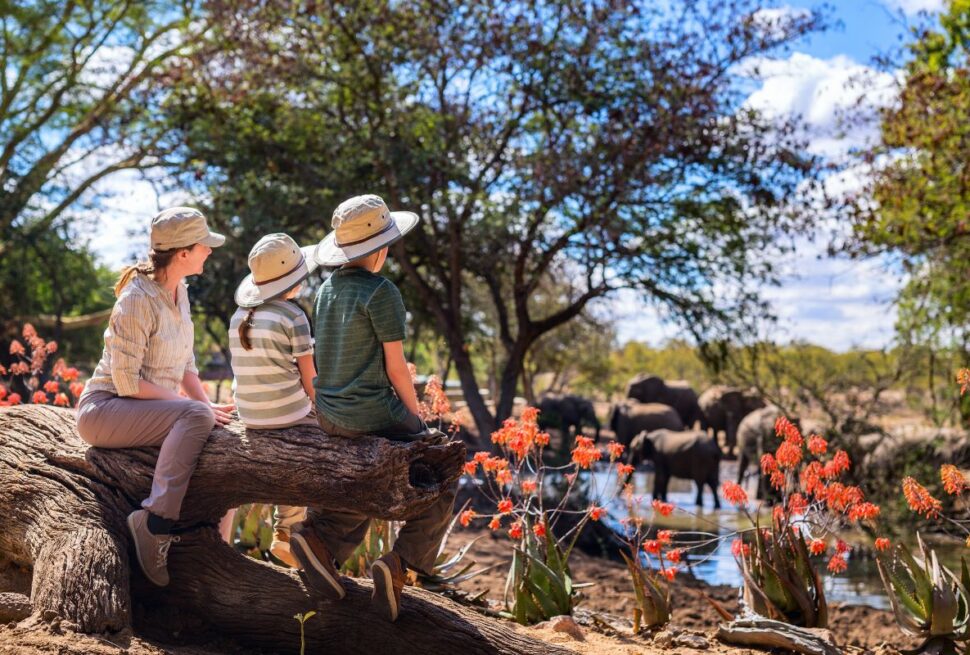
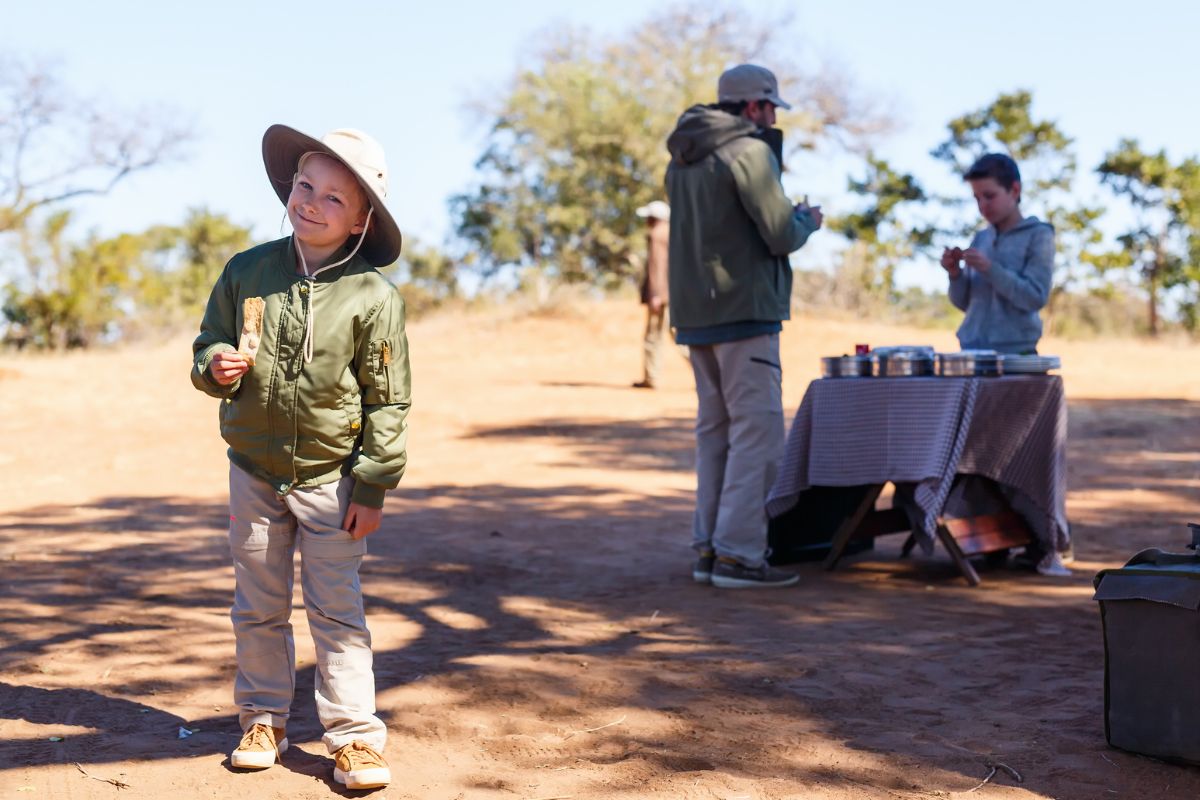
Taking young children on safari can turn an ordinary family holiday into an opportunity to discover Kenya’s wildlife, landscapes, and culture together. Finding the best Kenya safari for families with young children, however, requires more than choosing a famous wildlife destination, as parents must also consider safety, travel time, accommodation, activities, and daily comfort. With the right planning, families can enjoy exciting game drives and memorable wildlife encounters without creating an itinerary that leaves children tired or overwhelmed. Kenya offers flexible safari experiences that can be adapted to different ages, interests, schedules, and budgets, making it possible to create a family adventure that everyone can enjoy.

Best Safari Activities for Families With Young Children
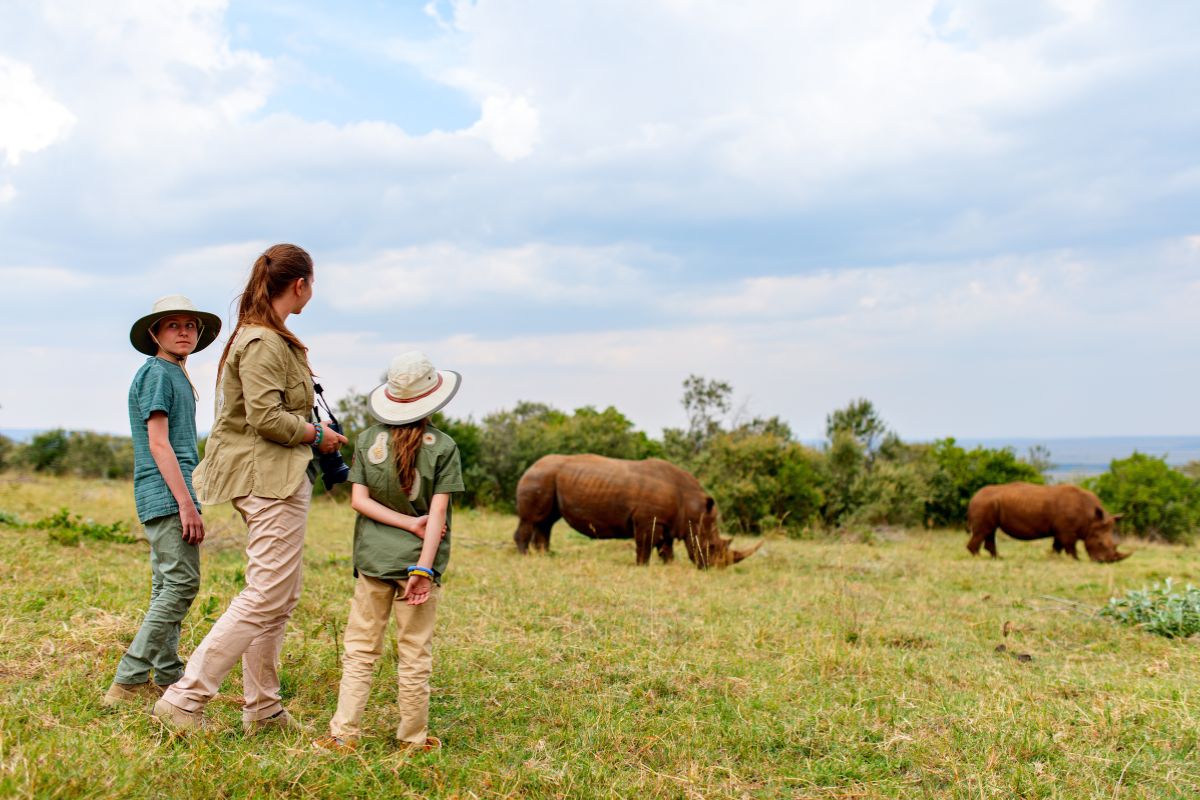
A safari with young children should balance exciting wildlife encounters with comfort, learning, and enough downtime to prevent children from becoming tired or overwhelmed. Choosing the right activities can make the experience enjoyable for both parents and children while allowing the family to experience Kenya’s wildlife and landscapes at a manageable pace. The best Kenya safari for families with young children combines age-appropriate activities with flexible schedules, family-friendly accommodation, and experienced guides. The following activities can help families get the most from their safari:

1. Family-Friendly Game Drives
Game drives are a central part of the best Kenya safari for families with young children because they give children the opportunity to see elephants, lions, giraffes, zebras, and other wildlife in their natural habitats. Families should consider shorter drives where possible and choose experienced guides who can keep children engaged by explaining animal behaviour in an interesting and age-appropriate way.
2. Guided Nature Walks Where Appropriate
Where permitted and suitable for the children’s ages, guided nature walks can introduce young travellers to details they may miss from a safari vehicle, including animal tracks, insects, plants, and birds. These walks should always be conducted in approved areas with qualified guides who understand local wildlife and safety requirements, making them a suitable addition to the best Kenya safari for families with young children when appropriately planned.
3. Wildlife Education and Conservation Experiences
Wildlife education and conservation activities allow children to understand more about the animals they encounter and why protecting them is important. Visits to conservation centres, ranger presentations, age-appropriate talks, and interactive activities can turn a safari into a memorable learning experience while helping children develop an appreciation for Kenya’s wildlife.
4. Cultural Visits
Cultural visits give families an opportunity to learn about communities and traditions associated with Kenya’s safari destinations through activities such as storytelling, traditional dances, crafts, and music. For young children, interactive experiences can be particularly engaging and provide a welcome change from wildlife viewing while adding cultural depth to the safari.
5. Birdwatching and Wildlife Photography
Birdwatching and wildlife photography can keep children engaged even when larger animals are not nearby, as they encourage them to observe their surroundings and identify different birds, sounds, and animal movements. Older children can use a simple camera or phone under supervision, while younger children can participate by helping parents spot and identify wildlife.
6. Swimming and Lodge-Based Activities
Swimming pools, play areas, storytelling, board games, and other lodge activities give children time to relax between game drives and other excursions. Including these activities in the itinerary is especially useful for families with young children because a safari does not need to be filled with continuous wildlife viewing to be enjoyable.
7. Family-Friendly Bush Experiences Where Offered
Some lodges and camps offer family-friendly bush experiences such as supervised nature activities, bush breakfasts, storytelling, and educational sessions that allow children to experience the safari environment in different ways. These activities should always be selected according to the child’s age and conducted under appropriate supervision, making them a valuable addition to the best Kenya safari for families with young children when offered safely.
How to Choose Family-Friendly Safari Accommodation
Accommodation can make a major difference to the comfort and enjoyment of a family safari, especially when travelling with young children who need suitable sleeping arrangements, familiar meal options, safe spaces, and time to relax between activities. Choosing the right lodge or camp can also make daily logistics easier for parents by reducing unnecessary travel and providing facilities that support children’s needs. When planning the best Kenya safari for families with young children, consider these accommodation features:

1. Family Rooms and Connecting Rooms
Family rooms and connecting rooms give parents and children enough space while making it easier to maintain appropriate supervision and comfort. Families should check the sleeping arrangements, number of beds, room configuration, and whether additional beds or cots are available before booking.
2. Child-Friendly Meal Options
Young children may not always enjoy the same meals as adults, so accommodation with flexible and child-friendly dining options can make mealtimes much easier. Parents should look for lodges that can accommodate simple meals, dietary requirements, familiar foods, and suitable meal times for younger children.
3. Swimming Pools and Recreational Facilities
A swimming pool or other recreational facilities can give children an enjoyable way to unwind after a game drive. Play areas, children’s activities, board games, and supervised recreational programmes can also help keep young travellers entertained when the family is not out exploring.
4. Safe and Spacious Grounds
Safe and spacious grounds give children opportunities to enjoy the outdoor environment while parents have greater peace of mind. Families should choose accommodation with appropriate safety measures, secure areas, clear boundaries, and staff who understand the additional needs of guests travelling with young children.
5. Convenient Location
A convenient location can reduce the amount of time children spend travelling between accommodation and wildlife viewing areas. Staying close to suitable attractions or within an accessible safari destination can make the itinerary less tiring and allow families to spend more time enjoying activities rather than sitting in a vehicle.
6. Babysitting or Childcare Services Where Available
Some family-friendly lodges and camps offer babysitting or childcare services, which can give parents an opportunity to enjoy certain activities or have some quiet time during the trip. Where available, parents should confirm the service in advance, including the caregiver’s experience, operating hours, costs, and whether the service is suitable for their child’s age.
How Many Days Should a Family Safari in Kenya Last?
The ideal length of a family safari depends on the children’s ages, travel arrangements, preferred destinations, and how much time the family needs to rest between activities. Young children can enjoy safari experiences, but long transfers and continuous game drives may become tiring, so a well-paced itinerary is often more important than simply adding more days. For families looking for the best Kenya safari for families with young children, a trip of five to seven days often provides a good balance between wildlife experiences, relaxation, and manageable travel. However, different trip lengths can work depending on the family’s schedule and preferences:
1. 3–4 Day Family Safari
A 3–4 day safari is suitable for families with limited time or very young children who may not cope well with a longer itinerary. It allows the family to focus on one main destination, enjoy a few game drives, and return to comfortable accommodation without spending too many days travelling between locations. This shorter option can also work well when combined with a beach holiday or another family destination in Kenya.
2. 5–7 Day Family Safari
A 5–7 day safari offers a comfortable balance between wildlife viewing, travel, and rest, making it one of the most practical options for the best Kenya safari for families with young children. Families can visit one or two destinations without rushing, while allowing enough time for game drives, lodge activities, swimming, and relaxation. The itinerary can also include slower days so children have time to recover between excursions.
3. 8–10 Day Family Safari
An 8–10 day safari gives families more time to explore different landscapes and wildlife areas while experiencing a broader range of activities. However, with young children, the itinerary should be designed carefully to avoid frequent long transfers and overly demanding schedules. Including rest days, family-friendly accommodation, and shorter activities between major excursions can make a longer safari comfortable and enjoyable.
What Is the Best Time for a Kenya Safari With Young Children?
The best time for a Kenya safari with young children depends on weather conditions, wildlife viewing opportunities, road conditions, and how comfortable children are likely to be during outdoor activities. Families should consider both the safari experience and practical factors such as heat, rainfall, travel times, and visitor numbers when planning their trip. For families seeking the best Kenya safari for families with young children, the dry seasons are often easier to manage because wildlife is generally easier to spot and outdoor activities can be more predictable. However, each period of the year has different advantages:
1. January to March
January to March is generally a warm and relatively dry period in many Kenyan safari destinations, offering good conditions for game drives and wildlife viewing. The weather can be comfortable for families when activities are planned around cooler morning and afternoon hours, although temperatures can become hot during the middle of the day. This period can be a good choice for families who want a balance of favourable weather and good wildlife viewing without travelling during the peak season.
2. April to May
April and May are associated with Kenya’s long rains, which can bring heavier rainfall and wetter road conditions in some safari areas. For families with young children, frequent rain can make outdoor activities less predictable, particularly when roads become muddy or transfers take longer. However, the landscapes are often green and attractive, visitor numbers may be lower, and some accommodation options can offer better rates, making this period worth considering for families comfortable with occasional changes to their plans.
3. June to October
June to October is one of the most popular periods for a Kenya safari because the weather is generally drier, wildlife viewing conditions are favourable, and roads are typically easier to navigate. July to October is also associated with the annual wildebeest migration in the Maasai Mara, although exact timing and locations vary each year. For families seeking the best Kenya safari for families with young children, this season can provide an excellent combination of predictable weather and exciting wildlife experiences, provided the itinerary includes enough rest.
4. November to December
November and December bring the short rains in many parts of Kenya, although rainfall patterns can vary between destinations and years. The countryside becomes greener, wildlife remains present, and some safari areas may be less crowded than during the peak dry season. Families travelling during this period should prepare for occasional rain and flexible schedules, while taking advantage of the comfortable temperatures and vibrant scenery when weather conditions are favourable.
How Much Does a Kenya Family Safari Cost?
The cost of a Kenya family safari varies considerably depending on the type of accommodation, destinations, transport, activities, travel season, and the number and ages of travellers. Families should look beyond the advertised package price because inclusions such as park fees, meals, transfers, activities, and accommodation can differ between safari operators. When planning the best Kenya safari for families with young children, understanding these cost factors helps parents choose an itinerary that fits their budget without compromising comfort or safety. The main factors that influence the overall cost include:
1. Safari Accommodation
Accommodation is one of the biggest factors affecting the total cost of a family safari. Budget camps, mid-range lodges, and luxury properties have different rates, while family rooms, connecting rooms, private tents, and additional beds can also affect the final price.
2. Transportation
The type of transport and distance between destinations can significantly influence the safari budget. Private safari vehicles generally provide families with greater flexibility, while shared vehicles may reduce costs, and flying between destinations can save travel time but usually increases the overall price.
3. Park and Conservation Fees
National park, reserve, and conservancy fees contribute to the cost of a safari and can vary depending on the destination and traveller category. Families should confirm whether these fees are already included in the safari package and check the applicable charges for adults and children before booking.
4. Meals and Drinks
Many safari packages include breakfast, lunch, and dinner, but the exact meal plan depends on the accommodation and package selected. Drinks, snacks, premium beverages, and special children’s meals may be charged separately, so families should confirm what is included when comparing different safari options.
5. Activities and Excursions
Additional activities such as guided walks, cultural visits, conservation experiences, hot-air balloon rides, or other excursions can increase the overall cost of a family safari. Families should prioritise activities that are suitable for their children’s ages and budget for optional experiences separately from the core safari itinerary.
6. Travel Season
The time of year can have a noticeable effect on safari prices because accommodation and travel demand change between high, low, and shoulder seasons. Peak periods can be more expensive, while travelling during quieter periods may provide access to lower accommodation rates and other savings, although weather conditions should also be considered.
7. Family Size and Children’s Ages
The number of adults and children travelling together directly affects the total safari cost, while children’s ages can determine accommodation requirements, park fees, meals, and activity charges. Some lodges and safari operators offer reduced rates for children, whereas others have specific age restrictions or require families with very young children to use private vehicles, so these details should be confirmed when planning the best Kenya safari for families with young children.
What Should Families Pack for a Kenya Safari With Young Children?
Packing carefully can make a family safari more comfortable, especially because temperatures can change throughout the day and children may need extra items compared with adults. Parents should prepare for game drives, outdoor activities, cool mornings, warm afternoons, and time spent at safari lodges or camps. For families planning the best Kenya safari for families with young children, practical packing can help children remain comfortable, protected, and engaged throughout the trip. The following essentials are worth including:
1. Lightweight and Comfortable Clothing
Pack lightweight, breathable clothing that allows children to move comfortably during game drives and other outdoor activities. Neutral or natural colours can be practical for safari environments, while comfortable trousers, shirts, and other easy-to-wash items can make it easier to manage spills and changing weather.
2. Comfortable Shoes
Children should have comfortable, well-fitting shoes suitable for walking around the lodge and participating in permitted outdoor activities. Closed-toe shoes are useful for nature walks and outdoor areas, while sandals or other lightweight footwear can be convenient for relaxing at the accommodation.
3. Sun Protection
Strong African sunshine makes sun protection particularly important for young children. Parents should pack child-friendly sunscreen, wide-brimmed hats, sunglasses, and lightweight clothing that provides additional protection from direct sunlight during outdoor activities.
4. Insect Repellent
Insect repellent can help reduce exposure to mosquitoes and other biting insects, particularly around accommodation and during certain outdoor activities. Families should choose products appropriate for their children’s ages and follow the product instructions carefully when applying them.
5. Warm Layers
Safari mornings and evenings can be surprisingly cool, even when daytime temperatures are warm. Light jackets, sweaters, fleece layers, or warm trousers can help children stay comfortable during early-morning game drives and after sunset.
6. Snacks and Reusable Water Bottles
Familiar snacks can be useful during longer drives, particularly for children who become hungry between scheduled meals. Reusable water bottles also help families stay hydrated throughout the day, although parents should follow their safari operator’s guidance on safe drinking water and refill options.
7. Child-Specific Essentials
Parents should bring any items their children regularly need, including nappies, wipes, changing supplies, comfort items, medication prescribed for the child, and age-appropriate toiletries. A small day bag can also keep frequently needed items easily accessible during game drives instead of requiring parents to search through larger luggage.
8. Binoculars and Camera
Child-friendly binoculars can make wildlife viewing more interactive by allowing children to search for animals and birds themselves. A simple camera or phone can also encourage older children to record interesting moments, while younger children can participate by helping parents spot wildlife and choose photographs.
How to Plan a Kenya Safari for Families With Young Children
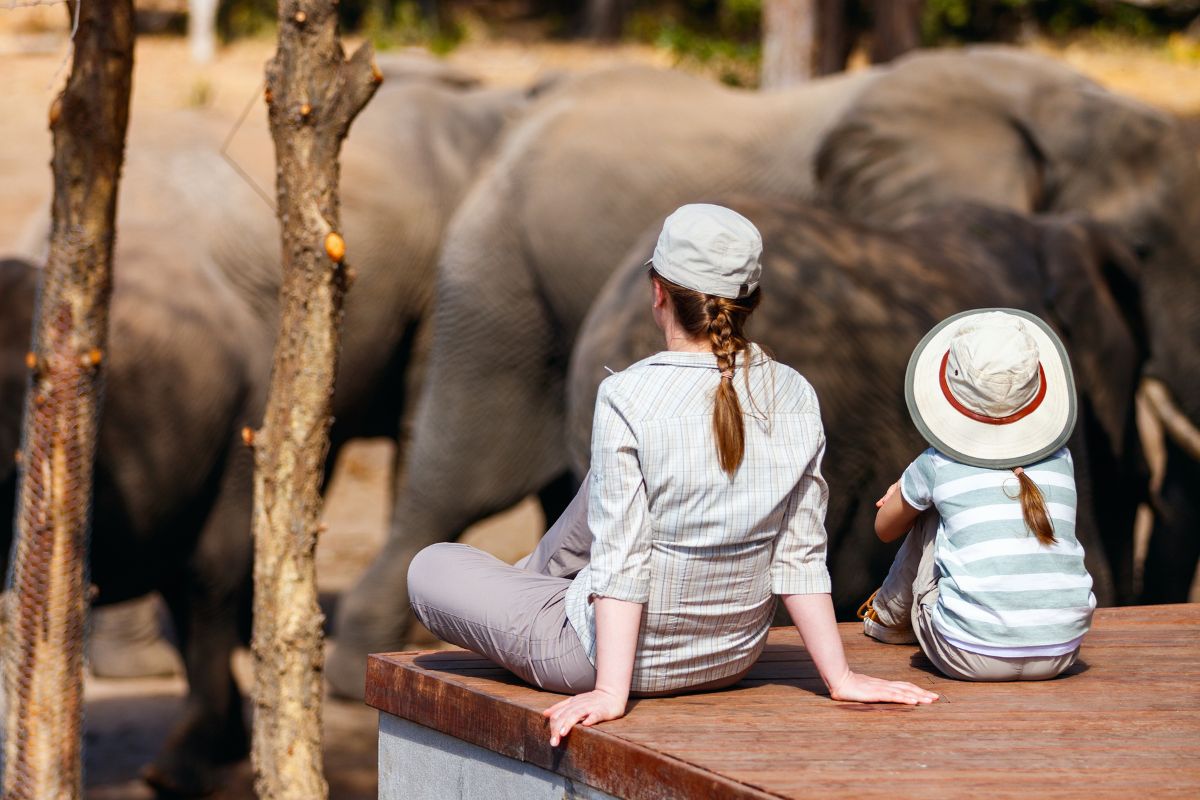
Planning a safari with young children requires more than choosing destinations with abundant wildlife. Parents need to consider travel dates, children’s ages, transport, accommodation, activity schedules, and opportunities for rest so that the trip remains enjoyable rather than exhausting. A well-planned itinerary allows families to experience Kenya’s wildlife while maintaining a comfortable pace that works for younger travellers. When planning the best Kenya safari for families with young children, follow these practical steps:
1. Choose the Right Travel Dates
Start by selecting travel dates that suit your family’s schedule while considering Kenya’s weather, wildlife viewing conditions, and visitor levels. Families should also think about how comfortable their children are with heat, rain, and early-morning activities before choosing the season for their safari.
2. Select Child-Friendly Destinations
Choose safari destinations that offer suitable wildlife viewing, manageable travel times, family-friendly accommodation, and activities appropriate for young children. Focusing on fewer destinations can often be more comfortable than trying to visit several parks during a short trip, particularly when long road transfers are involved.
3. Consider Your Children’s Ages and Needs
Children of different ages have different attention spans, activity requirements, meal preferences, and tolerance for long journeys. Consider your children’s sleeping routines, dietary needs, mobility, and ability to spend time in a safari vehicle when deciding how to structure the itinerary.
4. Choose Comfortable Transportation
Transportation can significantly affect the comfort of a family safari, especially when travelling between distant destinations. Families should consider private safari vehicles, shorter road transfers, or domestic flights where practical, while ensuring that the chosen transport provides enough space and comfort for young children.
5. Book Family-Friendly Accommodation
Look for accommodation with family rooms or connecting rooms, suitable meal options, safe grounds, swimming pools, and child-friendly facilities where available. Parents should also confirm age policies, sleeping arrangements, childcare options, and whether children are permitted on particular activities before making a booking.
6. Plan Shorter and Flexible Game Drives
Young children may find very long game drives tiring, so families should consider shorter excursions with breaks between activities. A flexible itinerary allows the guide to adjust the day’s schedule according to the children’s energy levels, weather conditions, and wildlife opportunities rather than requiring the family to follow an overly rigid timetable.
7. Build Rest Time Into the Itinerary
Rest periods are essential when planning the best Kenya safari for families with young children because children may need time to sleep, swim, play, or simply relax after an early game drive. Avoid filling every part of the day with activities and consider allowing slower afternoons or occasional rest days during longer safaris.
8. Prepare Children Before the Trip
Preparing children before the safari can make the experience more enjoyable and help them understand what to expect. Parents can introduce them to common African animals through books or educational videos, explain basic safari safety rules, and prepare them for early mornings, time in a vehicle, and staying in a different environment.
9. Work With an Experienced Local Safari Operator
An experienced local safari operator can help families select appropriate destinations, accommodation, transport, activities, and daily schedules based on their children’s ages and needs. Local knowledge can also make it easier to adjust plans when weather, road conditions, or children’s comfort levels require changes, helping families enjoy a safer and more manageable safari experience.
Safety Tips for Families on Safari in Kenya
Safety is one of the most important considerations when planning a safari with young children, particularly when families are staying in wildlife areas where animals move freely around their natural habitats. Parents should understand that safari environments require different precautions from ordinary family holidays, including following guide instructions, supervising children closely, and choosing suitable activities and accommodation. Taking sensible precautions can help families enjoy the best Kenya safari for families with young children while keeping children comfortable and protected. Parents should keep the following safety measures in mind:
1. Follow Wildlife Safety Rules
Children should never approach, feed, tease, or attempt to touch wild animals, even when an animal appears calm or distant. Families should remain inside the safari vehicle when instructed, maintain a safe distance from wildlife, and follow all rules established by the national park, conservancy, lodge, or camp.
2. Keep Children Close to Adults
Young children should remain close to parents or other responsible adults, particularly when walking around camps, lodges, and outdoor areas. Parents should avoid allowing children to wander alone because wildlife can sometimes move through accommodation areas, and some properties have specific rules about where children can safely walk.
3. Follow Your Guide’s Instructions
Safari guides understand the local environment, wildlife behaviour, and safety procedures, so families should follow their instructions throughout the trip. Parents should also make sure children understand simple rules such as staying seated in the vehicle, keeping voices low when necessary, and never standing or leaning out without permission.
4. Choose Age-Appropriate Activities
Not every safari activity is suitable for young children, and age restrictions can vary between destinations, lodges, and operators. Families should check requirements before booking activities such as walking safaris, bush experiences, or other excursions and select options that match the children’s ages, abilities, and comfort levels.
5. Protect Children From the Sun and Heat
Young children can be particularly sensitive to prolonged exposure to strong sunlight and high temperatures. Parents should use suitable sunscreen, hats, protective clothing, and regular hydration, while scheduling demanding outdoor activities during cooler parts of the day whenever possible.
6. Carry Essential Medication and First-Aid Supplies
Families should carry any medication their children regularly need and keep basic first-aid supplies accessible during travel and game drives. Parents should also discuss health requirements with a qualified medical professional before travelling and check what medical facilities are available along their planned safari route.
7. Choose Reputable Accommodation and Transport
Reliable accommodation and transportation are important components of a safe family safari. Parents should select established safari operators and properties with appropriate safety procedures, well-maintained vehicles, trained staff, and facilities suitable for children, particularly when planning the best Kenya safari for families with young children.
Kenya Safari for Families With Young Children vs. Adult-Focused Safari
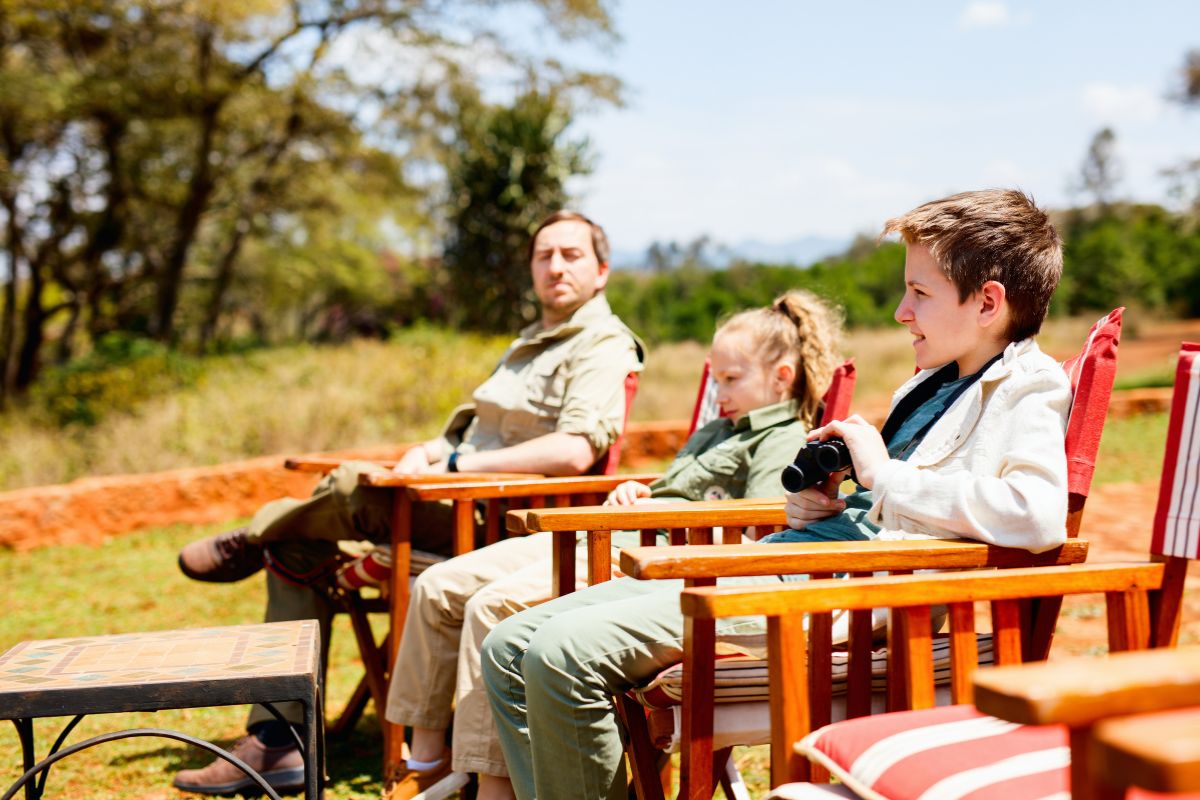
A safari designed for adults and one designed for families with young children may visit the same wildlife destinations, but the way the itinerary is planned can be very different. Adults may be comfortable with longer game drives, frequent destination changes, and activities that require greater physical endurance, while young children generally need more rest, flexibility, and age-appropriate experiences. Understanding these differences helps parents plan the best Kenya safari for families with young children around comfort, safety, and the needs of every traveller. The main differences include:
1. Safari Pace and Daily Schedule
An adult-focused safari can accommodate longer game drives and tightly scheduled days, while a family safari generally benefits from a slower and more flexible pace. Families may prefer shorter drives, later starts on some days, regular breaks, and enough downtime for children to sleep, play, or relax.
2. Accommodation Requirements
Adults may prioritise location, luxury, views, or unique experiences when choosing accommodation, whereas families also need to consider sleeping arrangements, safe grounds, children’s facilities, and suitable room configurations. Family rooms, connecting rooms, swimming pools, child-friendly activities, and flexible meal arrangements can make accommodation more practical for parents travelling with young children.
3. Activity Selection
Adult-focused safaris may include longer walking safaris, extended game drives, or activities with age restrictions that are not suitable for younger travellers. A family safari should focus on activities that children can safely enjoy, such as manageable game drives, wildlife education, cultural experiences, birdwatching, and lodge-based activities.
4. Transportation and Travel Time
Adults may tolerate long road journeys between several destinations, but young children can become uncomfortable or restless during extended transfers. Families should consider private vehicles, shorter travel distances, domestic flights where appropriate, and itineraries with fewer destination changes to reduce unnecessary travel fatigue.
5. Meals and Children’s Needs
Adult travellers may have fewer concerns about meal timing or menu variety, while young children may need familiar foods, snacks, regular meal schedules, or special dietary arrangements. Families should confirm whether their accommodation can provide suitable children’s meals and make plans for snacks and drinking water during longer excursions.
6. Safety and Supervision
Safety and supervision require greater attention when travelling with young children because children may not understand the risks associated with wild animals or unfamiliar environments. Parents need to supervise children closely, follow guide instructions, choose age-appropriate activities, and select reputable accommodation and transport, making these considerations essential to the best Kenya safari for families with young children.
Why Book Your Family Safari With Sandy Shores Africa Safaris?
Planning a safari with young children requires careful attention to destinations, accommodation, transportation, activities, safety, and daily schedules. At Sandy Shores Africa Safaris, we understand that families need more than a standard safari itinerary and work to create experiences that balance wildlife adventure with comfort and flexibility. Our approach helps parents enjoy the best Kenya safari for families with young children while giving children opportunities to explore, learn, and enjoy the journey at a manageable pace. Here is how we support families planning their safari:
1. We Create Family-Friendly Itineraries
We design safari itineraries around the ages, interests, and needs of the children travelling with you. Our itineraries can include manageable game drives, rest periods, family-friendly activities, and enough flexibility to ensure the safari does not become unnecessarily tiring.
2. We Help Select Suitable Destinations
We help families choose destinations that offer rewarding wildlife experiences while considering travel distances, accessibility, accommodation options, and activities suitable for children. This allows us to build an itinerary that focuses on destinations that match your family’s preferences rather than simply trying to visit as many places as possible.
3. We Coordinate Accommodation and Transportation
We can help coordinate accommodation and transportation as part of your family safari plans, taking into account room arrangements, travel distances, vehicle comfort, and the practical needs of travelling with young children. This helps create a smoother experience from one destination to the next while reducing unnecessary logistical stress for parents.
4. We Consider Children’s Comfort and Needs
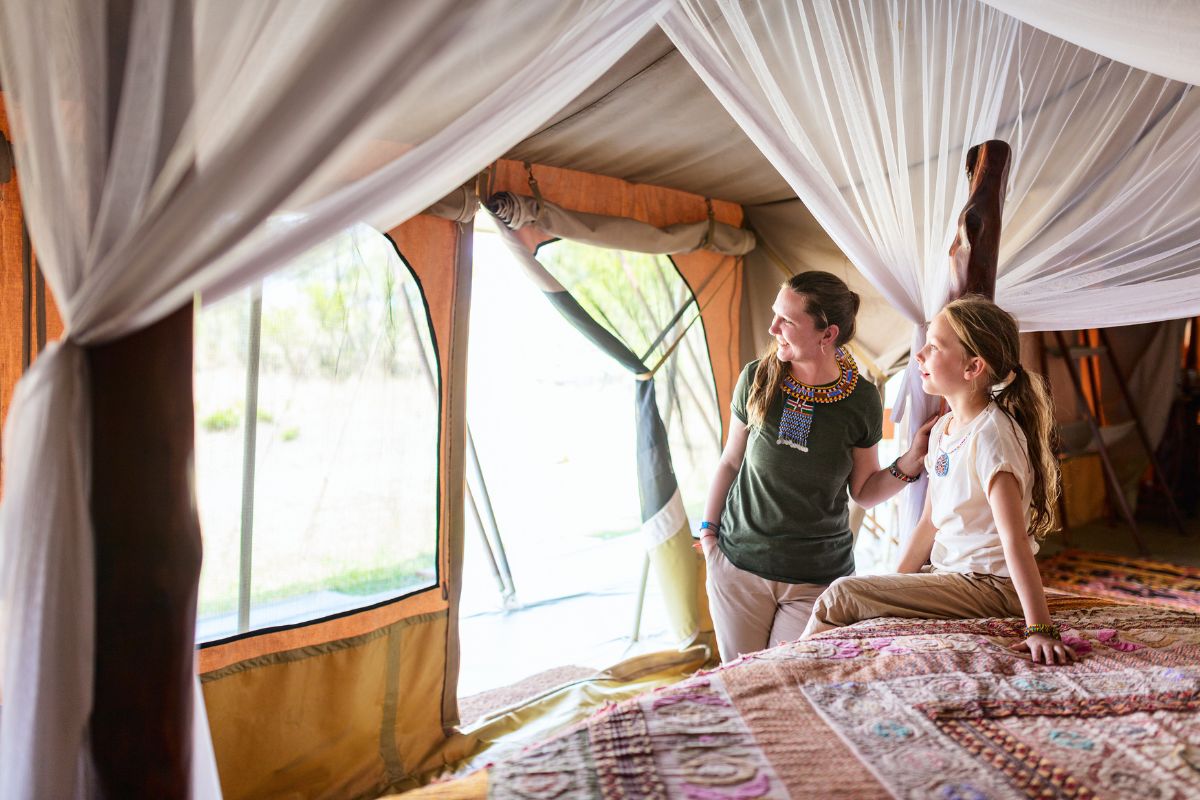
Children’s comfort is an important part of how we plan family safari experiences. We consider factors such as meal requirements, activity duration, rest periods, accommodation facilities, and the children’s ages when helping families structure their safari.
5. We Provide Local Destination Knowledge
Our knowledge of Kenya’s safari destinations helps families make informed decisions about where to go, when to travel, what activities to consider, and how to structure their route. We can help parents understand the practical differences between destinations so they can choose experiences that suit their family.
6. We Build Flexible Safari Experiences
We recognise that travelling with young children does not always go exactly according to schedule. Our family safari planning focuses on flexibility, allowing families to balance game drives, activities, relaxation, and downtime while adapting the experience to the children’s comfort and energy levels.
7. We Support Families Throughout Their Journey
Our support extends beyond helping you choose a safari package. We assist with planning and coordination so families have guidance throughout their journey, from preparing the itinerary and arranging travel components to enjoying their safari experience in Kenya.
Frequently Asked Questions About the Best Kenya Safari for Families With Young Children
Planning the best Kenya safari for families with young children often raises questions about destinations, safety, activities, accommodation, timing, and overall costs. Parents want to know whether a safari is suitable for their children’s ages and how to create an itinerary that balances exciting wildlife experiences with comfort and rest. Understanding these practical considerations can help families make confident decisions and prepare for a smoother safari experience. Here are answers to some of the most common questions families ask:
1. Is Kenya a Good Safari Destination for Families With Young Children?
Yes, Kenya can be an excellent safari destination for families with young children when the itinerary is planned around their ages, comfort, and needs. Families can enjoy wildlife viewing, cultural experiences, conservation activities, and lodge-based activities while maintaining a manageable pace.
2. What Is the Best Kenya Safari for Families With Young Children?
The best Kenya safari for families with young children is one that combines family-friendly destinations, comfortable accommodation, manageable game drives, suitable activities, and enough rest time. Rather than following a standard itinerary, families should choose a safari that can be adapted to their children’s ages and energy levels.
3. Which Kenya Safari Destination Is Best for Young Children?
Maasai Mara, Amboseli, and other established safari destinations can work well for families, depending on the children’s ages and the family’s interests. The right choice should consider wildlife viewing, travel distances, accommodation facilities, road conditions, and activities suitable for young travellers.
4. What Age Is Suitable for a Kenya Family Safari?
There is no single age that applies to every family because children’s ability to handle travel, game drives, and changes in routine varies. Parents should consider their child’s health, temperament, attention span, and ability to remain comfortable during vehicle journeys when deciding whether they are ready for a safari.
5. How Many Days Should a Family Safari in Kenya Last?
A 3–4 day safari can work well for families with limited time, while a 5–7 day itinerary often provides a comfortable balance between wildlife viewing and rest. Longer 8–10 day safaris can also work for families with young children when the itinerary includes fewer long transfers and sufficient downtime.
6. Is a Kenya Safari Safe for Young Children?
A Kenya safari can be safe for young children when families follow wildlife safety rules and choose reputable operators, accommodation, and transportation. Children should remain supervised, follow guide instructions, and participate only in activities appropriate for their ages.
7. What Activities Can Young Children Enjoy on a Kenya Safari?
Young children can enjoy family-friendly game drives, wildlife education, birdwatching, cultural experiences, swimming, lodge-based activities, and selected guided nature experiences where permitted. The most suitable activities depend on the child’s age, the destination, and the safety requirements of the specific experience.
8. What Should Children Pack for a Kenya Safari?
Children should have lightweight and comfortable clothing, warm layers, comfortable shoes, sun protection, insect repellent, reusable water bottles, suitable snacks, and personal essentials. Parents should also pack any medication, nappies, wipes, comfort items, binoculars, or cameras their children may need during the trip.
9. What Is the Best Time to Take Young Children on Safari in Kenya?
The dry seasons, particularly June to October, can be convenient for families because wildlife viewing is generally favourable and outdoor activities are more predictable. However, January to March and November to December can also offer rewarding safari experiences, while April and May bring wetter conditions that may require greater flexibility.
10. How Much Does a Kenya Safari for a Family With Young Children Cost?
The cost depends on accommodation, transportation, park and conservation fees, meals, activities, travel season, family size, and children’s ages. Families should compare what different packages include rather than relying only on the advertised base price.
11. Can Sandy Shores Africa Safaris Customize a Family Safari?
Yes, Sandy Shores Africa Safaris can help tailor a safari around your family’s preferred destinations, travel dates, accommodation, activities, children’s ages, and available time. A customized itinerary can also include appropriate rest periods and flexible scheduling to make the experience more comfortable for young children.
12. Why Should Families Book Their Kenya Safari With Sandy Shores Africa Safaris?
Sandy Shores Africa Safaris focuses on creating family-friendly safari experiences that consider children’s comfort, suitable destinations, accommodation, transportation, activities, and flexible schedules. Our local destination knowledge and personalized planning can help families create the best Kenya safari for families with young children based on their specific needs and preferences.
Plan the Best Kenya Safari for Your Family Today With Sandy Shores Africa Safaris
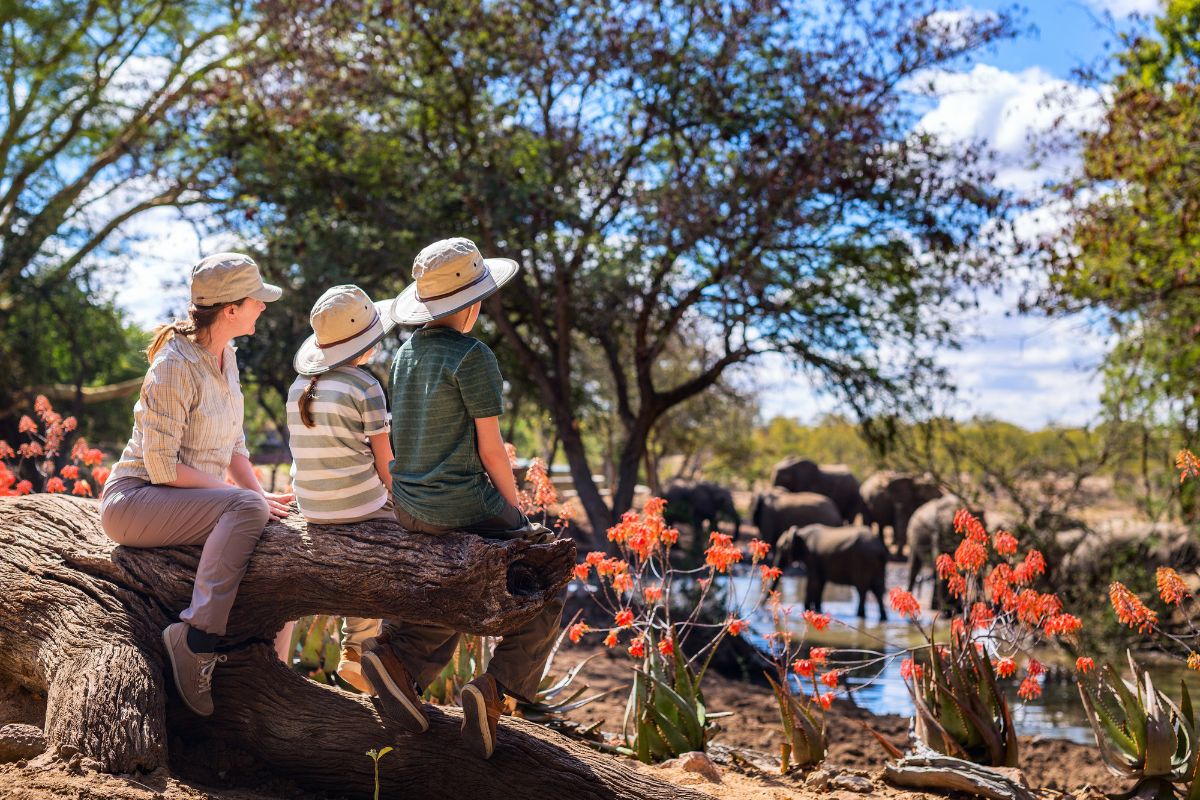
Planning the best Kenya safari for families with young children starts with choosing an itinerary that fits your family’s needs, comfort, and interests. Sandy Shores Africa Safaris can create a customized family safari with suitable destinations, accommodation, activities, transportation, and flexible schedules. Contact us today and let us plan a comfortable, exciting, and memorable Kenya safari around your children’s needs.